Sail Rock, Chumphon Pinnacle, White Rock, Twins, Southwest Pinnacle, the HTMS Sattakut wreck and more — the dive sites that make Koh Tao special, who they suit, and when to dive them.
25 April 2025 · updated 27 February 2026 · by Bryan Roseman
Key takeaways
- Sail Rock is a must-visit for divers of all skill levels, offering a chance to explore stunning marine biodiversity.
- Chumphon Pinnacle is famous for its magnificent rock formations and the possibility of encountering whale sharks.
- White Rock is a massive dive site and a favourite spot for both day and night dives.
- Twins is a great spot for beginners, with shallow depths and colourful marine life.
- Southwest Pinnacle is ideal for those looking for an exciting dive, with deeper waters and a variety of marine species.
Diving in Koh Tao is a mesmerising experience that puts you in direct contact with the marvels of the underwater world. The island is a haven for divers, boasting more than 20 varied dive sites, each with its own unique underwater landscapes and marine life.
Picture yourself diving into a marine paradise, surrounded by the sea’s colourful biodiversity. That’s the experience Sail Rock provides. Situated between Koh Tao and Koh Phangan, this dive site is famous for its breathtaking underwater landscapes and “chimney” swim-through. With a depth range of 18 to 40 metres, it’s a great location for divers of all skill levels. You’ll encounter a variety of sea creatures, from massive schools of barracuda and trevally to the hard-to-spot whale shark.
For more information on the best deep dive sites of Koh Tao, click here.
For those seeking a thrilling dive, Chumphon Pinnacle is a must-visit. The site is renowned for its grand rock formations, creating a breathtaking underwater landscape. Situated just northwest of Koh Tao, it’s a popular spot for whale shark sightings. With depths plunging to 30 metres on the site (45 m if you go a little further away), Chumphon Pinnacle is ideal for seasoned divers, but its shallower areas are also accessible for beginners. Expect to see large schools of batfish, fusiliers and trevally.
For more information on the best deep dive sites of Koh Tao, click here.
White Rock is a beloved dive site among divers, and it’s easy to see why. Located on the west side of Koh Tao, this site is great for both day and night dives. The average depth here is 16 metres, with a maximum of 28 metres. As you explore, you’ll come across beautiful coral gardens and a variety of marine life, including the titan triggerfish, blue-spotted rays and the occasional turtle. It’s a perfect site for divers of all skill levels, offering a balance of thrill and serenity.
For more information on the best diving for all levels, click here.
If you’re new to diving, you’ll want to check out Twins. This dive site is located near the small island of Koh Nang Yuan, and it’s known for its shallow depths and vibrant marine life. With an average depth of 12 metres, it’s the perfect place for beginners to get comfortable underwater. Plus, it’s home to a variety of tropical fish and beautiful coral formations, so it’s a great experience for any diver. Just north of Twins is Buoyancy World, a fantastic place for divers to practise their buoyancy in an underwater playground that also includes large stone structures (a shark, a lizard, an octopus etc.) that were placed there as artificial reefs.
For more information on the best shallow dive sites, click here.
Looking for an exciting dive? Southwest Pinnacle is home to deep waters and a wide variety of sea life. Situated approximately 7 kilometres southwest of Koh Tao, this dive spot is perfect for beginners and seasoned divers alike. With depths between 5 and 30 metres, you’ll find yourself surrounded by huge schools of fusiliers, barracuda, colourful coral and, if fortune favours you, a whale shark. It’s an experience you won’t soon forget.
For more information on the best deep dive sites of Koh Tao, click here.
When you dive at the HTMS Sattakut Wreck, it feels like you’ve travelled back in time. This ship, originally a US WWII vessel and formerly part of the Thai Navy, was purposely sunk to create an artificial reef and is now a beloved dive site. It’s located off the coast of Koh Tao and sits at a depth of 30 metres, making it perfect for advanced divers. The wreck is full of marine life, from snapper schools to chilling Harry hotlips, providing a mesmerising underwater adventure.
For more information on the best wreck diving, click here.
Green Rock is a diving site that promises thrill and adventure. It is known for its swim-throughs and small caves, offering a unique diving experience. Situated north of Koh Nang Yuan, the site has depths that range from 10 to 28 metres. Divers can explore the interesting rock formations and swim-throughs and encounter a variety of marine life, such as triggerfish and moray eels. The north part of the dive site is home to the famous “trigger pit”, where you will find titan triggerfish and yellow-margin triggerfish tending to their nurseries during mating season. Don’t get too close or they might attack!
Among the top dive sites in Koh Tao, it’s a site that both challenges and delights.
Both snorkellers and divers will find Tanote Bay to be a treasure. This beautiful bay is located on the east coast of Koh Tao and is known for its vast coral reefs and the resident massive school of fusiliers that envelops large parts of the site. The shallow waters make it a perfect location for beginners, while the deeper waters are a great place for more experienced divers to explore. The bay is home to a wide variety of marine life, such as angelfish, butterflyfish and even the occasional turtle. It’s a peaceful location that offers a tranquil underwater experience.
If you haven’t been diving in a while and need to sharpen those skills, you may need a refresher.
Don’t let the name fool you: Shark Island may not be overrun with sharks, but it does provide an amazing diving adventure. Situated just off the southern coast of Koh Tao, this dive site boasts a wide range of underwater topography and colourful marine life. With depths averaging 15 metres (around 28 m at the deepest part), it’s suitable for divers of all skill levels. As you dive, you’ll come across beautiful coral gardens and a variety of fish species, and you may also come across the super-rare eagle ray, making it a dive site that is not to be missed.
For more information on the best deep dive sites of Koh Tao, click here.
If you’re a diver who’s up for a bit of an adventure, then Laem Thian Caves is the place for you. Situated on the eastern side of Koh Tao, this dive site is known for its underwater caves and swim-throughs. It’s best suited for those who have a bit of experience under their belts, given the challenging terrain. As you make your way through the caves, you’ll come across a variety of marine life, from vibrant reef fish to complex coral structures; it’s a thrilling dive that’s sure to keep you on your toes. Laem Thian is also famous as one of the only places on Koh Tao where you may come across the humphead parrotfish.
For more information on the best diving for all levels, click here.
Choosing the right time for your Koh Tao diving adventure can greatly enhance your experience. The island provides diving opportunities all year, but some periods are better due to the weather and the activity of marine life.
Weather in Koh Tao can have a big effect on your dive. The best time to dive is usually from March to September, when the weather is hot and dry. During these months the sea is calm and visibility is at its peak, allowing you to enjoy the underwater scenery.
Between November and January the island is hit by the monsoon season, which can cause rough seas and poor visibility. Although it’s still possible to dive, it’s crucial to check the weather forecast and conditions at the dive site before setting off.
The visibility in the waters of Koh Tao can change depending on the time of year. In the height of the diving season, from March to September, visibility can reach 20 metres or more, giving divers a clear view of the colourful marine life and coral formations.
The weather isn’t the only thing that changes with the seasons. The activity of marine life does too. For example, between March and May you’re more likely to see whale sharks around Chumphon Pinnacle and Sail Rock. If you plan your dive trip during these months, you’ll have a better chance of coming across these gentle giants.
So, knowing how the seasons can affect both the weather and sea life can help you plan the ultimate Koh Tao diving trip.
Before you jump into the waters of Koh Tao, it’s important to check your skill level and make sure you have the right certification for the dive sites you want to explore. Most Koh Tao dive centres offer courses from beginner to advanced levels, so you can get the skills and certifications you need.
If you’re new to diving, try out sites like Twins and Tanote Bay, which have shallow depths and calm waters, perfect for building your confidence. More experienced divers should check out deeper sites like Chumphon Pinnacle and the HTMS Sattakut Wreck, as they require a higher level of experience and skill.
By aligning your certification and skill level with the right dive sites, you can guarantee a safe and fun diving experience in Koh Tao.
Scuba divers have a duty to care for the underwater environments they visit. What we do can have a big effect on marine ecosystems, so it’s really important to dive responsibly and do what we can to help conservation.
One of the key rules of scuba diving is to never touch or disturb underwater life. A simple touch can damage fragile coral reefs and disturb the homes of sea creatures. Always keep a safe distance from the reef and use your buoyancy control to float above the ocean floor.
Also, pay attention to your gear. Make sure your fins, gauges and other equipment don’t touch the reef. Secure your gear properly to avoid accidentally harming the marine environment.
Environmentally friendly diving habits are crucial for maintaining the splendour and variety of Koh Tao’s marine life. Here are some habits you should pick up:
Koh Tao is renowned for its stunning dive sites, attracting divers from around the world. The island offers a variety of underwater experiences, from vibrant coral reefs to intriguing shipwrecks. Whether you’re a beginner or an experienced diver, Koh Tao has something to offer.
Planning a diving trip to Koh Tao can raise a lot of questions, whether you’re a beginner or an experienced diver. We’ve answered some of the most frequently asked questions to help you plan your trip.
Between March and September is the best time to dive in Koh Tao. The weather is hot, the sea is calm and the visibility is often up to 30 metres. You're also more likely to see whale sharks during these months, which makes it an exciting time to dive.
Yes, most of the dive sites in Koh Tao are perfect for beginners. Sites like Twins and Tanote Bay are shallow and calm, making them perfect for building confidence and gaining experience. Plus, beginner divers will get to enjoy vibrant coral gardens and a variety of marine life at these locations.
For those who are up for a challenge, advanced dive sites such as Chumphon Pinnacle, Sail Rock and the HTMS Sattakut Wreck provide an adrenaline-filled experience for seasoned divers.
The dive sites of Koh Tao are filled with a variety of sea life, providing a mesmerising undersea adventure. Here's a preview of what you'll likely come across:
There are many dive sites just a quick boat ride away from Koh Tao. Some of the nearest ones are White Rock, Twins and Tanote Bay, making it easy for divers of all skill levels to access. These sites are known for their variety of underwater terrains and sea creatures, which is why they are often chosen for diving excursions.
If you want to dive at some of the more advanced sites in Koh Tao, like Chumphon Pinnacle and the HTMS Sattakut Wreck, you'll need to have an Advanced Open Water Diver certification or something similar. This certification means you can safely dive in deeper waters and more challenging conditions. You can still dive at these amazing sites as an Open Water diver, but there's a lot more to see below 18 metres.
More in Diving Tips
 Diving Tips
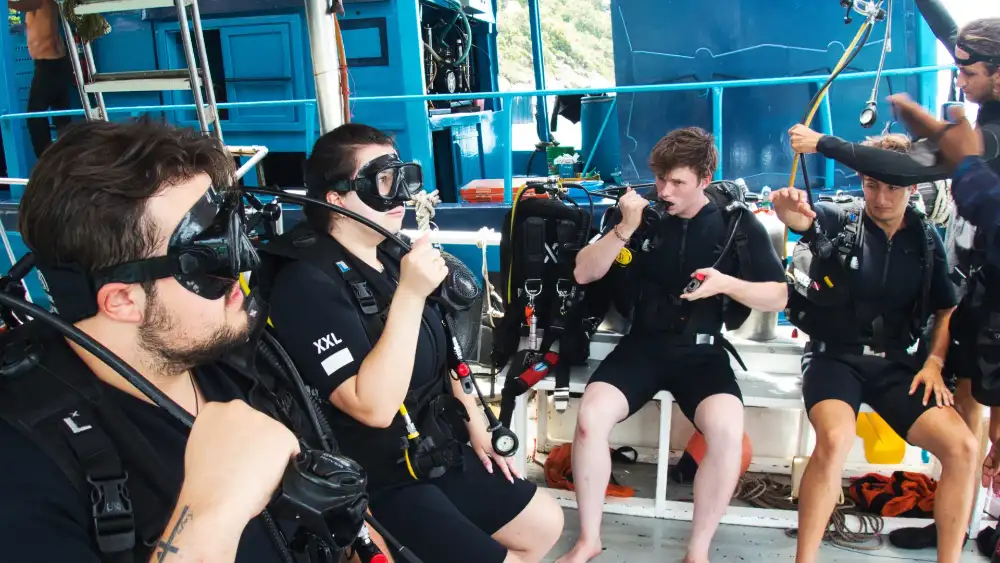
Depth, breathing, training, safety, equipment and cost compared side by side, so you can decide whether a snorkel afternoon, a Try Dive or a full Open Water course is the right fit for your Koh Tao trip.
 Diving Tips
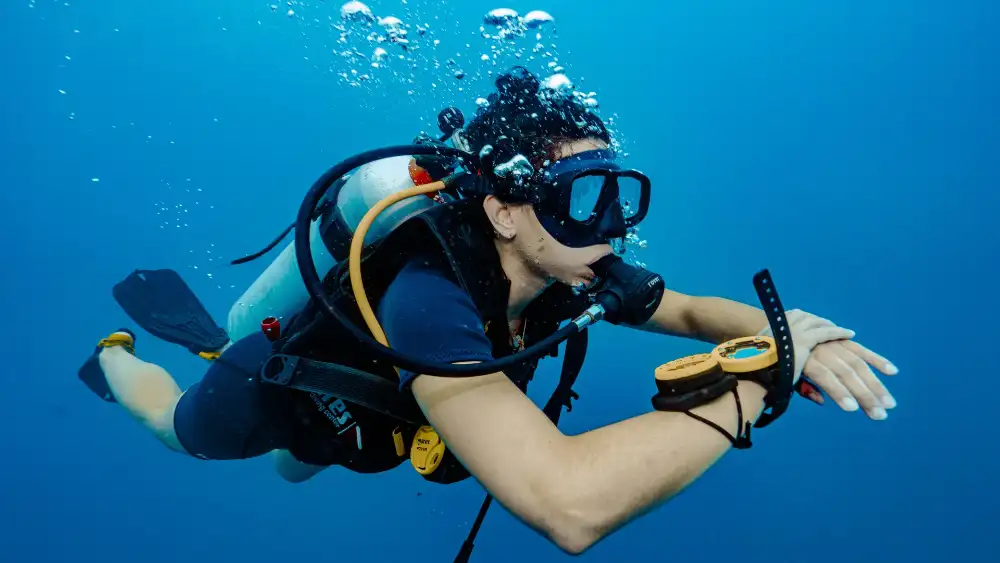
An Open Water course in Koh Tao usually takes three to four days — but the advertised number of days tells only part of the story. Here is what actually fills those days, why schedules differ between dive schools, and how to plan your stay around the course.
 Diving Tips
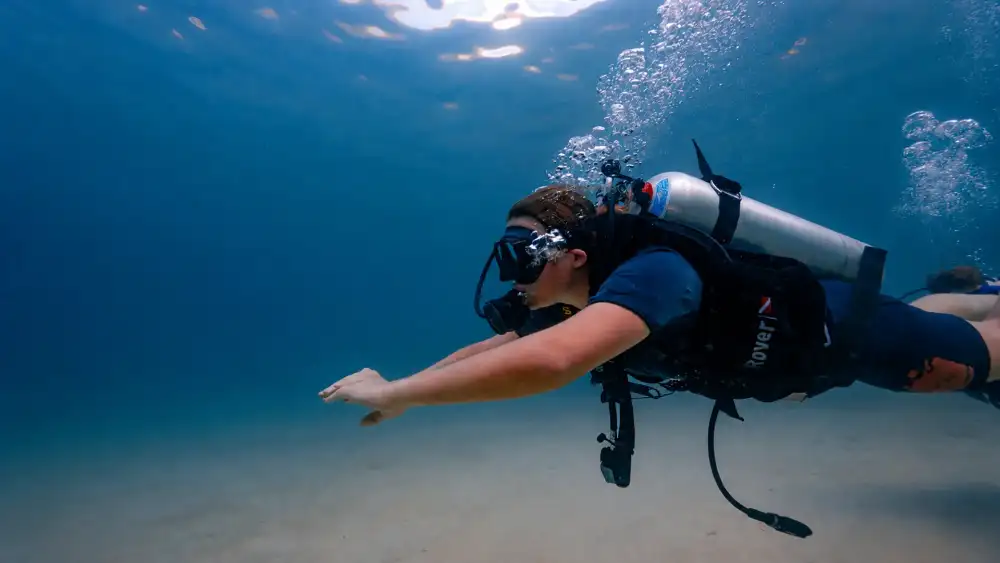
PADI, RAID and SSI compared across the whole training pathway — Open Water, advanced, rescue, specialities, Divemaster, instructor and technical — plus what actually decides the quality of your course in Koh Tao.
Message us on WhatsApp — courses, fun dives and honest advice about Koh Tao.
Chat on WhatsApp