HTMS Sattakut, Junkyard Reef, Buoyancy World and Hin Fai BioRock — how Koh Tao's artificial reefs are built, what lives on them, and what certification you need to dive them.
17 April 2025 · updated 27 February 2026 · by Bryan Roseman
In short. Koh Tao’s artificial reefs are human-made underwater structures designed to support marine conservation and boost biodiversity. These carefully constructed habitats include famous sites like HTMS Sattakut (a sunken navy vessel), Junkyard Reef (a collection of repurposed structures), Buoyancy World (an underwater playground) and Hin Fai BioRock (an electrically enhanced coral growth site). They provide safe havens for marine life while offering unique experiences for certified divers.
Thailand’s artificial reefs represent some of the most innovative marine conservation efforts in Southeast Asia. Beyond its natural coral formations, Koh Tao has strategically developed artificial reef systems that serve a dual purpose: protecting marine ecosystems and creating sustainable tourism opportunities for the diving community.
These underwater sanctuaries demonstrate how human intervention can positively impact ocean health when done with scientific precision and environmental responsibility. Understanding coral reef ecosystems helps you appreciate why these artificial structures are so valuable for marine life conservation.
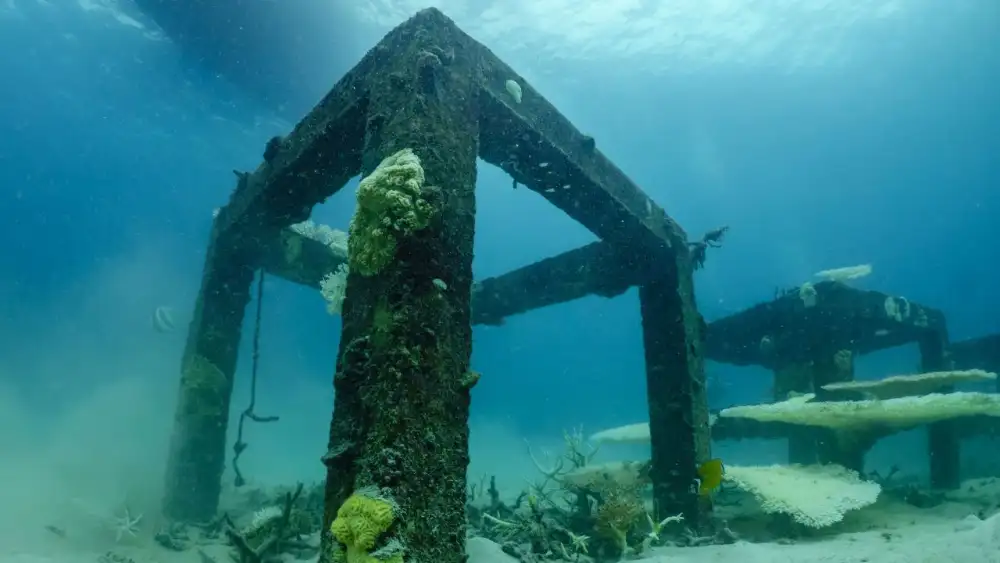
Artificial reefs in Koh Tao aren’t random underwater installations — they’re precisely engineered ecosystems designed to replicate natural reef conditions. The construction process involves extensive marine biology research, environmental impact assessments and ongoing monitoring to ensure positive outcomes.
Each artificial reef site around Koh Tao offers unique characteristics and serves different conservation purposes. These locations have become integral parts of the island’s marine ecosystem and popular destinations for advanced and experienced divers exploring Koh Tao’s diverse marine life.
Type: decommissioned Royal Thai Navy vessel · Depth: 15–30 metres · Sunk: 2011 · Features: swim-through corridors, abundant marine life, coral-encrusted surfaces. This 47-metre patrol boat has become home to groupers, snappers, barracuda and extensive soft coral growth.
Type: repurposed vehicles and sculptures · Depth: 12–18 metres · Features: cars, concrete domes, artistic installations. This unique site demonstrates creative reef building using safe, repurposed materials that marine life has successfully colonised.
Type: underwater skills training area · Depth: 8–14 metres · Features: concrete sculptures (sharks, octopuses, lizards), skill practice platforms. Perfect for buoyancy training while observing natural colonisation by marine species.
Type: electrically enhanced coral growth project · Depth: 10–16 metres · Technology: a low-voltage electrical current accelerates calcium carbonate formation, promoting faster coral growth and higher survival rates during bleaching events.
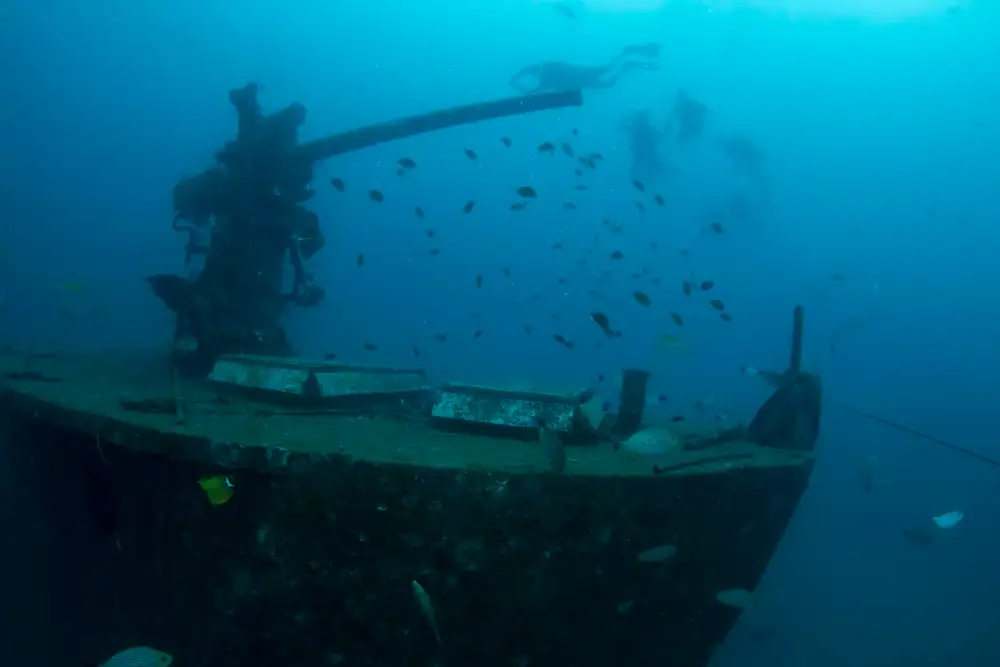
Artificial reefs provide critical functions that support both individual marine species and the health of the entire ecosystem. They serve as nursery areas, feeding grounds and shelter for organisms ranging from microscopic plankton to large pelagic fish.
Provide vertical structure and crevices that mimic natural reef environments, offering protection from predators and strong currents for juvenile fish and invertebrates.
Hard surfaces allow coral larvae to attach and grow, establishing new coral colonies that expand reef coverage and provide food sources for herbivorous fish.
Attract schools of pelagic fish, creating feeding opportunities and supporting the marine food chain from small reef fish to larger predatory species.
Offer secure areas for fish spawning and egg development, contributing to population recovery and the maintenance of genetic diversity in marine communities.
Distribute diving and snorkelling activity away from natural reefs, allowing sensitive coral ecosystems time to recover from tourism-related stress.
Provide controlled environments for studying coral growth, fish behaviour and ecosystem development, advancing marine conservation science.
Scientific monitoring of Koh Tao’s artificial reefs shows significant positive environmental impacts. Marine surveys document increased fish populations, improved coral coverage and enhanced biodiversity compared with areas without artificial reef interventions.
| Conservation metric | Natural reefs only | Areas with artificial reefs | Improvement |
|---|---|---|---|
| Fish species diversity | 65–80 species | 85–110 species | +25–35% |
| Coral coverage | 30–45% | 40–60% | +15–30% |
| Juvenile fish abundance | Baseline count | 150–200% increase | +50–100% |
| Tourist pressure distribution | High concentration | Dispersed impact | 30–40% reduction |
Warning. Responsible diving guidelines: artificial reefs require the same respect and protection as natural coral formations. Maintain neutral buoyancy, avoid touching structures or marine life, and follow all local diving regulations. These sites are active conservation projects — your responsible behaviour helps ensure their continued success.
Most artificial reef sites around Koh Tao require intermediate to advanced diving skills due to their depths and the potential for strong currents. Open Water certification is typically the minimum requirement, though some sites benefit from Advanced Open Water training. Consider the best diving conditions when planning your artificial reef exploration.
Certification requirements by site:
Ready to explore these incredible conservation success stories underwater? La Bombona Diving runs guided trips to HTMS Sattakut and Junkyard Reef, combining environmental briefings and conservation-focused guiding in small groups with unforgettable marine encounters. Whether you’re a newly certified diver or seeking advanced underwater adventures, book artificial reef fun dives — 2,000 ฿ for 2 dives, all equipment included. Planning your visit? Learn about getting to Koh Tao from anywhere in Thailand to start your underwater conservation journey.
Koh Tao’s artificial reef programme continues to expand with new technologies and innovative approaches. Future projects include additional BioRock installations, expanded monitoring systems and partnerships with international marine research institutions focused on sustainable marine conservation.
These developments ensure that artificial reefs remain effective conservation tools while providing sustainable tourism opportunities that support local communities and marine protection efforts.
Most artificial reef sites require Open Water certification as the minimum qualification. However, sites like HTMS Sattakut's deeper sections and some areas of Junkyard Reef benefit from Advanced Open Water training due to depth and potential currents. Your dive operator will assess conditions and recommend appropriate sites based on your certification level.
Initial colonisation by algae and small organisms begins within weeks of installation. Coral attachment and growth typically start within 6–18 months. Full ecosystem development with diverse fish populations and mature coral coverage usually takes 3–7 years, depending on environmental conditions and reef design.
When properly designed and constructed with appropriate materials, artificial reefs are extremely beneficial for marine life. All materials used in Koh Tao's artificial reefs undergo environmental testing to ensure they don't leach harmful chemicals. The structures provide additional habitat without competing with natural reefs.
Several local organisations offer volunteer opportunities for certified divers to participate in reef monitoring, data collection and maintenance activities. These programmes typically require Advanced Open Water certification and additional training in scientific diving techniques.
While artificial reefs provide similar habitat functions, they're human-designed structures that complement rather than replace natural reefs. They often feature unique characteristics like swim-through opportunities and specialised structures that don't occur naturally, while supporting the same marine species found on natural reefs.
More in Diving Tips
 Diving Tips
Depth, breathing, training, safety, equipment and cost compared side by side, so you can decide whether a snorkel afternoon, a Try Dive or a full Open Water course is the right fit for your Koh Tao trip.
 Diving Tips
An Open Water course in Koh Tao usually takes three to four days — but the advertised number of days tells only part of the story. Here is what actually fills those days, why schedules differ between dive schools, and how to plan your stay around the course.
 Diving Tips
PADI, RAID and SSI compared across the whole training pathway — Open Water, advanced, rescue, specialities, Divemaster, instructor and technical — plus what actually decides the quality of your course in Koh Tao.
Message us on WhatsApp — courses, fun dives and honest advice about Koh Tao.
Chat on WhatsApp