The state of marine conservation in Koh Tao — the island's biodiversity, the threats its reefs face, the artificial reef, coral nursery and clean-up programmes protecting them, and how visitors can help.
30 April 2025 · updated 27 February 2026 · by Bryan Roseman
In short. Marine conservation in Koh Tao represents one of Thailand’s most critical environmental initiatives. The island’s unique position in the Gulf of Thailand creates perfect conditions for coral growth and marine biodiversity, making it essential to protect these ecosystems through artificial reef projects, coral nursery programmes and responsible tourism practices that preserve this underwater paradise for future generations.
Understanding marine conservation in Koh Tao requires recognising both the incredible biodiversity that makes this destination special and the urgent threats facing these delicate ecosystems. As one of the world’s premier diving locations, Koh Tao attracts thousands of visitors annually who come to experience its remarkable underwater world, from colourful coral reefs to majestic whale sharks.
The island’s conservation efforts represent a vital balance between preserving marine life and supporting the local economy that depends on sustainable tourism. This comprehensive guide examines the current state of marine conservation in Koh Tao, the challenges these ecosystems face, and how both locals and visitors can contribute to protecting this underwater treasure.
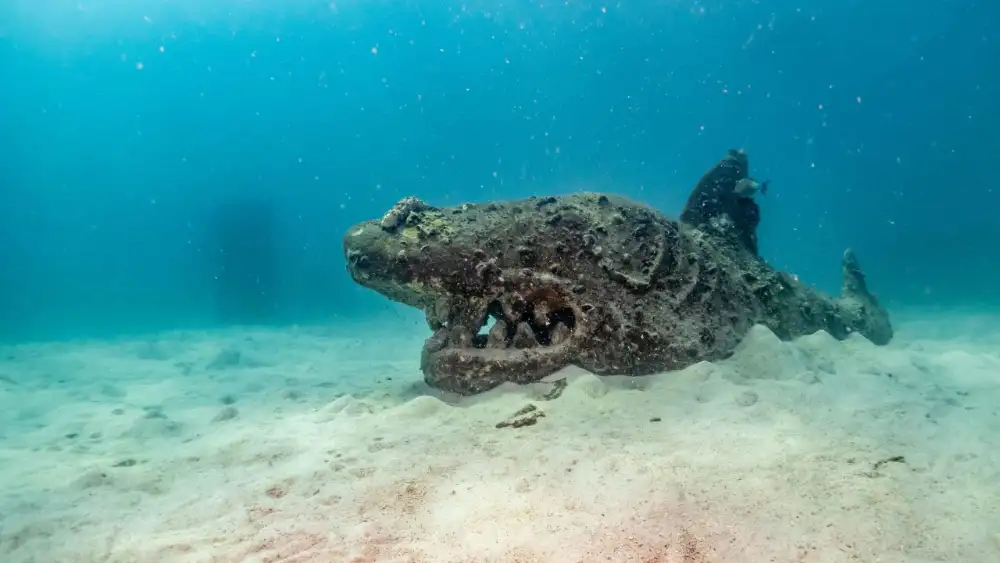
The waters surrounding Koh Tao create a unique marine environment that has evolved over thousands of years. The island’s geological history shaped underwater formations that now support an extraordinary variety of marine life, making marine conservation in Koh Tao a priority for both local communities and international environmental organisations.
“Koh Tao’s coral reefs are among the world’s most biodiverse, providing a habitat for marine life ranging from tiny invertebrates to large pelagic species.”
The island’s strategic position in the Gulf of Thailand creates ideal conditions where warm waters and nutrient-rich currents converge. This unique environment supports extensive coral reef systems that serve as nurseries for countless marine species and critical feeding grounds for larger predators.
This remarkable diversity makes Koh Tao’s marine life one of the most studied ecosystems in Southeast Asia. The variety of species found here supports complex food webs that maintain ecological balance and resilience against environmental pressures.
Despite its natural beauty, marine conservation in Koh Tao faces significant challenges that threaten the long-term survival of these precious ecosystems. Understanding these threats is essential for developing effective conservation strategies and ensuring sustainable protection measures.
Rising sea temperatures: causing widespread coral bleaching events that stress coral colonies and reduce their survival rates.
Ocean acidification: making it difficult for marine organisms to form shells and skeletons, affecting entire food chains.
Changing weather patterns: altering nutrient distribution and affecting seasonal migration patterns of marine species.
Overcrowding: popular dive sites suffer from too many visitors, leading to coral damage and wildlife disturbance.
Boat damage: anchor damage and propeller strikes harm coral reefs and disturb marine habitats.
Inexperienced divers: poor buoyancy control and accidental contact damage fragile coral formations.
Plastic waste: marine debris entangles wildlife and introduces toxic chemicals into food webs.
Chemical runoff: sunscreen, fuel and other chemicals contaminate water and harm marine organisms.
Sewage discharge: nutrient pollution causes algae blooms that smother coral reefs and deplete oxygen levels.
These interconnected threats require comprehensive approaches to marine conservation in Koh Tao that address both local and global factors. Success depends on coordinated efforts between government agencies, conservation organisations, local communities and the tourism industry.
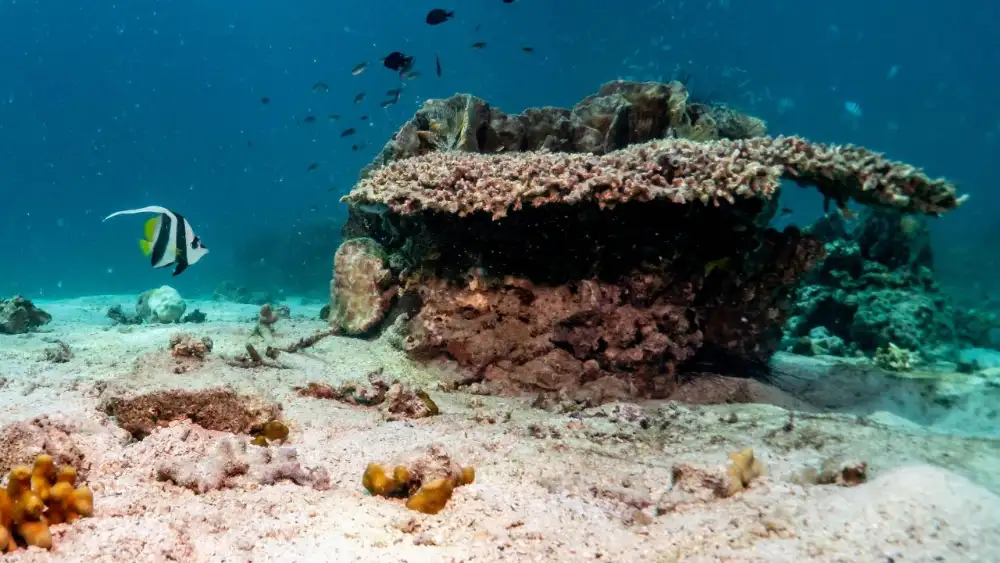
Marine conservation in Koh Tao encompasses multiple active programmes designed to protect, restore and maintain healthy marine ecosystems. These initiatives combine scientific research, community involvement and innovative technologies to address the challenges facing the island’s underwater environment.
Creating new habitats using sustainable materials to reduce pressure on natural reefs while providing homes for marine life and enhancing biodiversity.
Growing healthy coral fragments in protected environments before transplanting them to damaged reef areas, accelerating natural recovery processes.
Regular clean-up activities remove plastic debris and other pollutants from marine environments, preventing harm to wildlife and improving water quality.
Ongoing scientific studies track ecosystem health, species populations and environmental changes to guide conservation strategies.
Artificial reef projects represent some of the most successful aspects of marine conservation in Koh Tao. These structures provide immediate relief to natural reefs by redirecting diving activities while creating new ecosystems that support diverse marine communities.
The carefully designed artificial reefs use environmentally safe materials that encourage coral growth and fish colonisation. Within months of installation, these structures attract schools of fish and begin developing their own unique ecological communities that demonstrate the effectiveness of Koh Tao’s artificial reef initiatives.
Coral nursery programmes operate year-round, maintaining thousands of coral fragments in optimal growing conditions. These nurseries use advanced techniques to accelerate coral growth and improve survival rates when transplanted to reef areas.
The success of these programmes depends on careful species selection, optimal placement strategies and ongoing monitoring to ensure transplanted corals adapt successfully to their new environments.
Working together for marine protection: marine conservation in Koh Tao succeeds through collaborative efforts that bring together diverse stakeholders committed to protecting the island’s marine ecosystems. This partnership approach ensures sustainable, long-term conservation outcomes.
Local residents play crucial roles in marine conservation in Koh Tao by participating in clean-up activities, supporting sustainable fishing practices and educating visitors about environmental protection. Community involvement ensures conservation efforts align with local needs and cultural values.
Many residents work directly in conservation programmes, gaining valuable skills while contributing to environmental protection. This creates economic opportunities that support both livelihoods and conservation goals. Local initiatives like shark conservation programmes demonstrate how community-driven efforts can make significant impacts on marine species protection.
Collaboration with Thai government agencies, particularly the Department of Marine and Coastal Resources, provides essential regulatory support and funding for conservation initiatives. These partnerships ensure marine conservation in Koh Tao operates within legal frameworks and national environmental policies.
Government support includes enforcing marine protected areas, regulating fishing activities and providing scientific expertise for research programmes that guide conservation strategies.
International volunteers contribute significantly to marine conservation in Koh Tao through hands-on participation in research, restoration and education programmes. Volunteer involvement brings fresh perspectives, additional resources and increased global awareness to conservation efforts.
Many visitors choose to extend their stays to participate in meaningful conservation work, creating lasting connections between the global community and local environmental protection efforts.
Every visitor to Koh Tao has opportunities to contribute to marine conservation efforts. Whether planning a short holiday or an extended stay, travellers can make positive impacts through responsible choices and active participation in conservation programmes.
Understanding how to support marine conservation in Koh Tao enhances the travel experience while ensuring these precious ecosystems remain healthy for future generations. The best times for diving also coincide with optimal conditions for observing conservation efforts in action.
Following proper diving etiquette protects marine life while ensuring safe, enjoyable experiences for everyone. Diving at appropriate skill levels helps prevent accidental damage to coral reefs and marine habitats.
Many marine conservation programmes in Koh Tao depend on donations and volunteer support to fund research, equipment and restoration activities. Contributing to these organisations directly supports on-the-ground conservation work and helps expand successful programmes.
Visitors can also purchase eco-friendly products from local conservation groups, participate in educational programmes, and spread awareness about marine protection needs through social media and personal networks.
Selecting diving operators and tour companies committed to marine conservation in Koh Tao ensures your tourism money supports sustainable practices. Look for operators that follow environmental guidelines, participate in conservation programmes and educate guests about marine protection.
Responsible operators often offer opportunities to participate directly in conservation activities, such as coral restoration projects or marine life monitoring programmes, providing meaningful experiences beyond traditional diving tours.
Experience marine conservation with La Bombona Diving. We take part in marine conservation in Koh Tao through coral restoration projects, environmental education and sustainable diving practices, teaching in small groups to minimise our impact on the reefs — with marine life protection built into every course and guided visits to Koh Tao’s best dive sites. Learn to dive responsibly with our Open Water course (11,000 ฿, 4 ocean dives over 4 days) and start your own conservation journey.
The future of marine conservation in Koh Tao depends on continued innovation, collaboration and commitment from all stakeholders. Emerging technologies, enhanced scientific understanding and growing environmental awareness create opportunities for more effective conservation strategies.
Advanced monitoring systems, genetic research and new restoration techniques offer promising tools for marine conservation in Koh Tao. These innovations help scientists better understand ecosystem dynamics and develop more targeted conservation interventions.
Technology also enables better communication and education, helping more people understand the importance of marine conservation and participate in protection efforts.
Balancing economic development with environmental protection requires careful planning and ongoing commitment to sustainability principles. Marine conservation in Koh Tao benefits from tourism models that prioritise long-term ecosystem health over short-term profits.
Sustainable tourism creates economic incentives for conservation while ensuring marine ecosystems remain healthy and productive for future generations to enjoy and study.
Ambitious but achievable goals drive marine conservation in Koh Tao forward, including restoring damaged reef areas, eliminating pollution sources and increasing populations of key marine species. Success requires sustained effort and continued collaboration among all stakeholders.
These goals provide clear targets for measuring progress and ensure conservation efforts remain focused on achieving meaningful, lasting environmental improvements.
Marine conservation in Koh Tao protects one of Southeast Asia's most biodiverse marine ecosystems, which serves as a critical habitat for endangered species like sea turtles and supports complex food webs that maintain regional ocean health. The island's conservation efforts also provide valuable research data and successful models that can be applied to marine protection worldwide.
The primary threats include climate change causing coral bleaching, tourism pressure from overcrowding and inexperienced divers, and pollution from plastic waste and chemical runoff. These interconnected challenges require comprehensive conservation strategies that address both local activities and global environmental changes affecting marine ecosystems.
Visitors can practise responsible diving, participate in beach and underwater clean-up activities, support local conservation organisations through donations or volunteer work, choose environmentally responsible tour operators, and spread awareness about marine conservation needs. Many dive centres also offer specialised conservation courses and coral restoration participation opportunities.
Conservation efforts focus on protecting sea turtles (green and hawksbill), whale sharks, various coral species (both hard and soft corals), reef fish communities and critical breeding habitats. These species serve as indicators of overall ecosystem health and require specific protection measures to maintain stable populations and biodiversity.
Major successes include establishing artificial reefs that have attracted diverse marine communities, successful coral nursery programmes with high transplant survival rates, significant reductions in marine debris through regular clean-up efforts, increased sea turtle nesting success, and growing community participation in conservation activities. The annual Swim for Sharks event also raises money and awareness for the charity Shark Guardian, demonstrating how community events can support marine conservation efforts. These achievements demonstrate the effectiveness of collaborative conservation approaches.
More in Marine Life
 Marine Life
From barracuda and trevally to lionfish, cuttlefish, pufferfish, boxfish, moray eels, batfish and sea kraits — a species-by-species guide to the marine life you can meet on Koh Tao's reefs.
 Marine Life
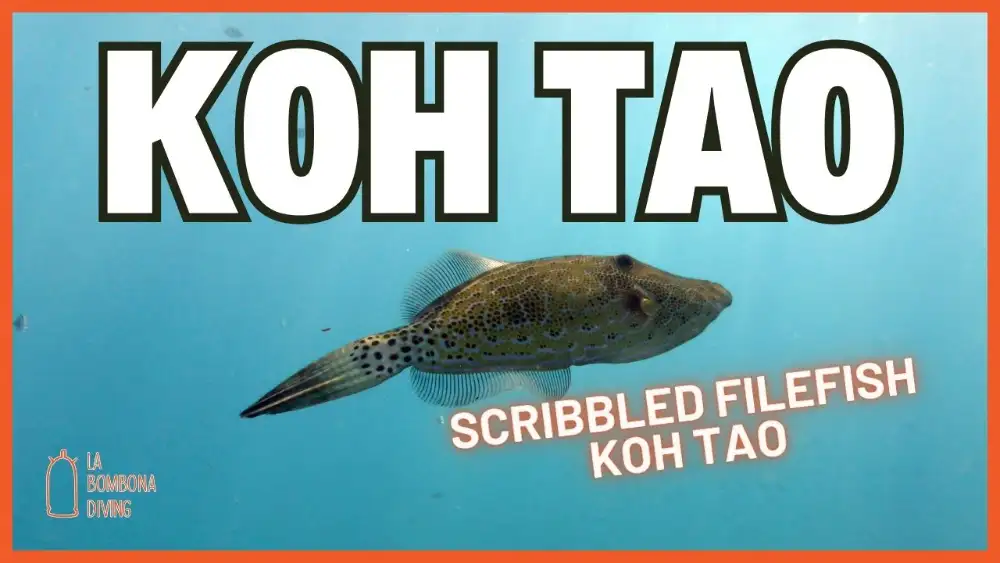
The enigmatic scribbled filefish of Koh Tao — how to identify these living artworks, how they behave, where to find them on the island's dive sites, and the conservation challenges they face.
 Marine Life
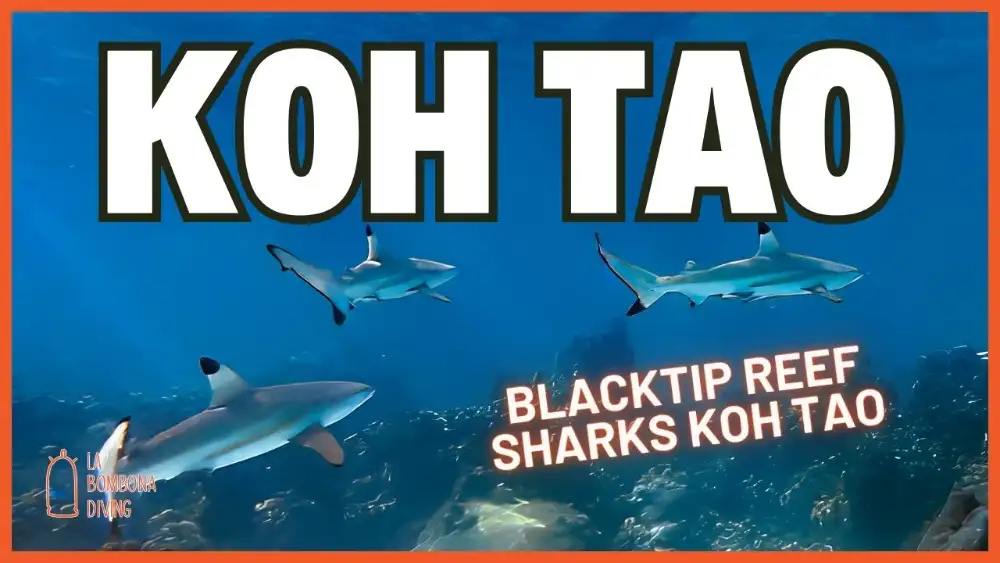
Everything about Koh Tao's blacktip reef sharks — how to identify them, how they behave and hunt, the bays where you can reliably see them, the best time of day, and how to watch them responsibly.
Message us on WhatsApp — courses, fun dives and honest advice about Koh Tao.
Chat on WhatsApp