Why Koh Tao is ideal for enriched air diving, how nitrox compares with air, the dive sites that benefit most, certification requirements and the equipment you need.
8 March 2025 · updated 27 February 2026 · by Bryan Roseman
In short. Koh Tao stands as the premier destination for nitrox diving in Southeast Asia, offering warm water, exceptional visibility and world-class dive sites perfect for enriched air diving. With extended bottom times, increased safety margins and access to spectacular sites like Chumphon Pinnacle and Sail Rock, nitrox diving in Koh Tao transforms your underwater experience while maintaining the highest safety standards.
Whether you’re planning your first nitrox certification or seeking the best diving experiences for different levels, this comprehensive guide covers everything you need to know about nitrox diving in Thailand’s diving capital.
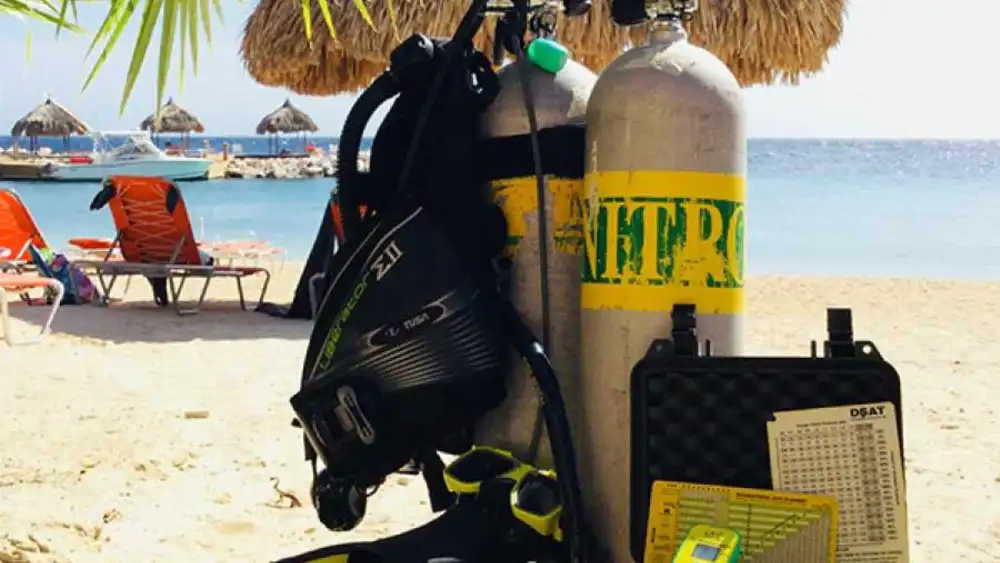
Koh Tao’s unique combination of ideal diving conditions and affordability makes it the world’s top destination for nitrox diving. Understanding the history of Koh Tao reveals how this small island became a diving mecca, particularly for advanced techniques like nitrox diving.
Water temperatures range from 27°C to 30°C year-round, with visibility often extending 15–25 metres. These stable conditions maximise the benefits of nitrox diving.
Koh Tao offers some of the world’s most competitive nitrox certification prices, making advanced diving techniques accessible to all budgets.
From shallow coral gardens to deeper pinnacles, Koh Tao’s varied topography provides ideal training and diving environments for nitrox applications.
World-class dive centres with experienced instructors ensure proper nitrox training and safety protocols for divers of all levels.
| Air | Nitrox | |
|---|---|---|
| Bottom time (30 m depth) | 18 minutes | 30+ minutes |
| Decompression risk | Standard | Significantly reduced |
| Post-dive fatigue | Moderate to high | Minimal |
| Surface interval | 60+ minutes | Shorter intervals |
| Multiple dive days | More restrictive | Enhanced flexibility |
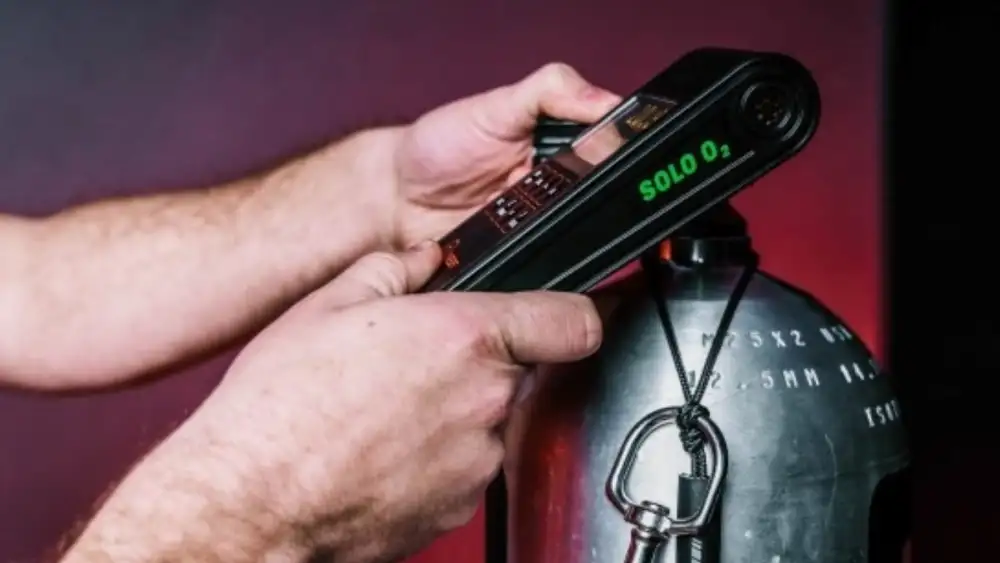
Nitrox contains 22–40% oxygen compared to regular air’s 21%, dramatically reducing nitrogen absorption. The most common nitrox mix is 32–36% oxygen. This fundamental difference creates multiple advantages for divers exploring Koh Tao’s incredible marine life:
Koh Tao’s top dive sites are perfectly suited for nitrox diving, offering depths and attractions that truly benefit from extended bottom times.
| Dive Site | Depth Range | Nitrox Benefits | Signature Marine Life |
|---|---|---|---|
| Chumphon Pinnacle | 14–35 metres | 40+ minute bottom times | Whale sharks, barracuda schools, giant groupers |
| Sail Rock | 15–40 metres | Extended deep exploration | Whale sharks, schools of trevally and barracuda, vertical swim-throughs |
| Southwest Pinnacle | 18–33 metres | Thorough pinnacle circumnavigation | Schools of batfish, angelfish, healthy coral coverage |
| Green Rock | 8–25 metres | Multiple depth exploration | Macro life, nudibranchs, cleaning stations |
| White Rock | 12–28 metres | Extended bottom photography time | Coral formations, stingrays, turtle encounters |
Tip. The best time to dive in Koh Tao for nitrox is March through September, when calm seas and excellent visibility maximise the benefits of extended bottom times and multiple daily dives.
Getting certified for nitrox diving involves understanding both theoretical knowledge and practical application. The certification process typically takes 1–2 days and includes:
Extended bottom times from nitrox diving create additional opportunities to observe and protect marine ecosystems. Marine conservation efforts in Koh Tao benefit from nitrox divers who can spend more time conducting surveys and participating in protection activities.
Responsible nitrox diving practices include:
Successful nitrox diving in Koh Tao requires proper planning, from certification to dive site selection. Understanding how to get to Koh Tao from anywhere in Thailand helps you plan arrival timing for optimal diving conditions.
Consider these factors when planning:
Ready to experience the best nitrox diving Koh Tao has to offer? La Bombona Diving runs nitrox certification (a one-day classroom course, with optional nitrox dives) alongside guided diving at all the island’s major sites, in small groups with safety-first protocols — see our Koh Tao courses to get started.
Yes, nitrox diving is safe for beginners who have completed Open Water certification. The nitrox specialty course teaches all necessary safety protocols, gas analysis procedures and dive planning techniques. Many beginners find nitrox actually provides an additional safety margin with reduced decompression stress.
Nitrox significantly extends bottom times — at 30 metres, you can typically dive 30+ minutes compared to 18 minutes with regular air. At shallower depths like 18 metres, nitrox provides nearly unlimited dive time within recreational limits, allowing thorough exploration of Koh Tao's dive sites.
Nitrox typically costs 200–300 baht more per dive than regular air, but the extended bottom time and reduced surface intervals often provide better value. When you can do more dives per day with longer underwater time, the small additional cost becomes worthwhile for most divers.
Only if your dive computer is nitrox-compatible and programmable for different oxygen percentages. Most modern dive computers support nitrox, but older models may not. Using a non-nitrox computer with enriched air is unsafe as it won't calculate proper decompression limits.
Deeper sites like Chumphon Pinnacle (14–35 m) and Sail Rock (15–40 m) benefit most from nitrox, allowing extended exploration time and better chances of encountering large marine life like whale sharks. These sites' depth profiles make the extended bottom times particularly valuable for complete site exploration.
More in Diving Tips
 Diving Tips
Depth, breathing, training, safety, equipment and cost compared side by side, so you can decide whether a snorkel afternoon, a Try Dive or a full Open Water course is the right fit for your Koh Tao trip.
 Diving Tips
An Open Water course in Koh Tao usually takes three to four days — but the advertised number of days tells only part of the story. Here is what actually fills those days, why schedules differ between dive schools, and how to plan your stay around the course.
 Diving Tips
PADI, RAID and SSI compared across the whole training pathway — Open Water, advanced, rescue, specialities, Divemaster, instructor and technical — plus what actually decides the quality of your course in Koh Tao.
Message us on WhatsApp — courses, fun dives and honest advice about Koh Tao.
Chat on WhatsApp