Which Koh Tao dive sites, courses and specialties suit you — from beginner-friendly Japanese Gardens and Twins to Chumphon Pinnacle, Sail Rock and the HTMS Sattakut wreck — plus when to come and how to progress.
11 March 2025 · updated 27 February 2026 · by Bryan Roseman
In short. Koh Tao offers exceptional diving experiences for every skill level, from beginner-friendly sites like Japanese Gardens to advanced wreck diving adventures. With year-round warm water, diverse marine life and world-class training facilities, this Gulf of Thailand paradise provides optimal diving conditions from March to September. Whether you’re seeking your first Open Water certification or advanced technical diving challenges, Koh Tao delivers unforgettable underwater experiences.
Known as one of the world’s premier diving destinations, Koh Tao attracts underwater enthusiasts of all experience levels to its pristine waters and exceptional training facilities. This comprehensive guide helps you identify the perfect diving experiences based on your current abilities, ensuring safe and memorable underwater adventures in Thailand’s diving capital.
From calm, shallow training sites perfect for newcomers to challenging technical dives that test expert skills, understanding when to visit Koh Tao and which sites match your abilities maximises both safety and enjoyment throughout your diving journey.
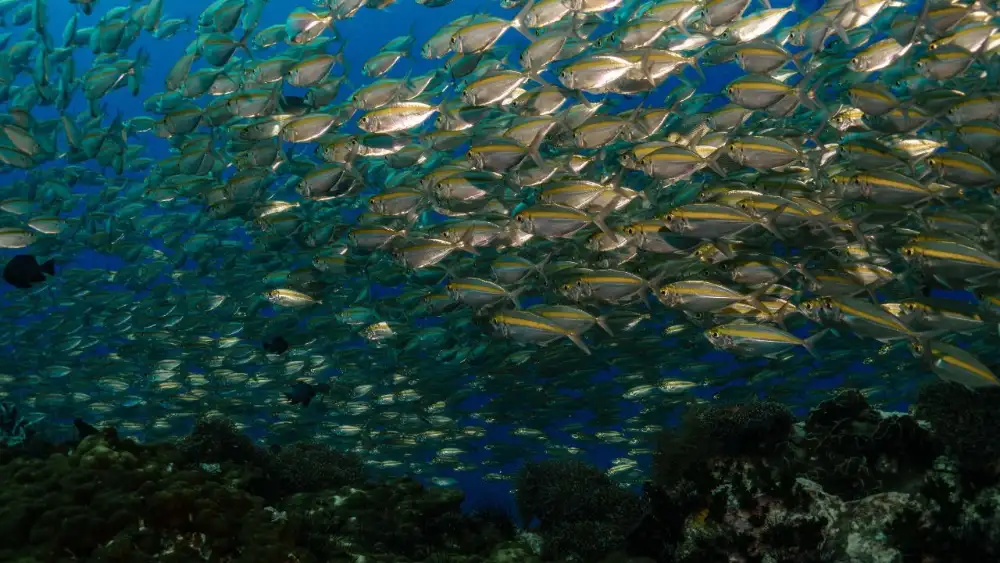
| Dive site | Skill level | Maximum depth | Highlights | Typical conditions |
|---|---|---|---|---|
| Japanese Gardens | Beginner | 12 m | Colourful corals, calm conditions | Minimal current, excellent visibility |
| Twins | Beginner | 14 m | Twin rock formations, diverse fish | Sheltered, gentle currents |
| Green Rock | Intermediate | 25 m | Swim-throughs, turtle encounters | Moderate currents, good visibility |
| Chumphon Pinnacle | Intermediate | 32 m | Granite formations, barracuda schools | Variable currents, deep sections |
| Sail Rock | Advanced | 40+ m | Whale shark encounters, vertical wall | Strong currents, challenging navigation |
| HTMS Sattakut | Advanced | 30 m | Wreck penetration, military vessel | Overhead environment, technical skills required |
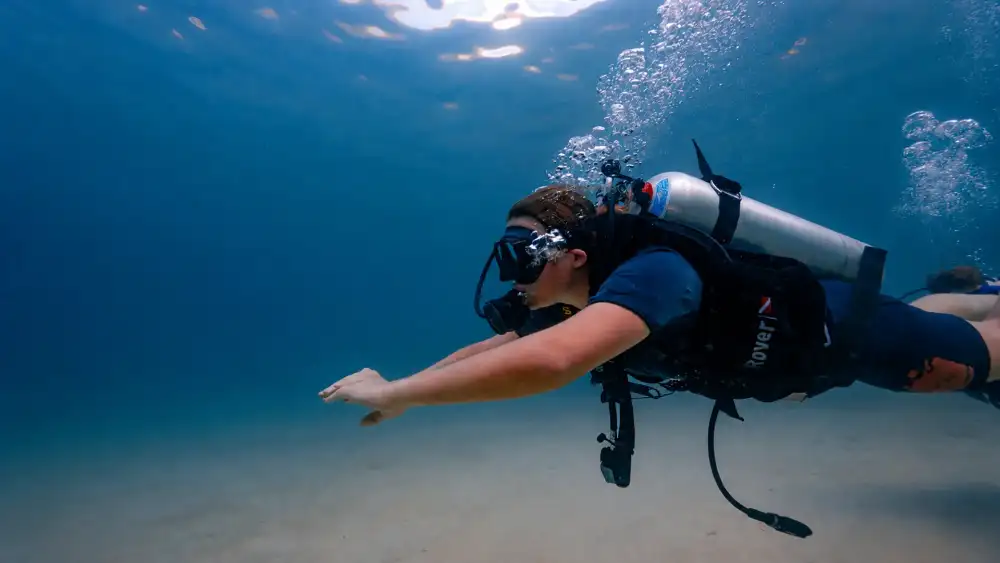
Starting your diving journey in Koh Tao provides an ideal introduction to the underwater world. The island’s reputation for producing confident, skilled divers stems from its excellent training conditions and experienced instructors who prioritise safety and proper skill development.
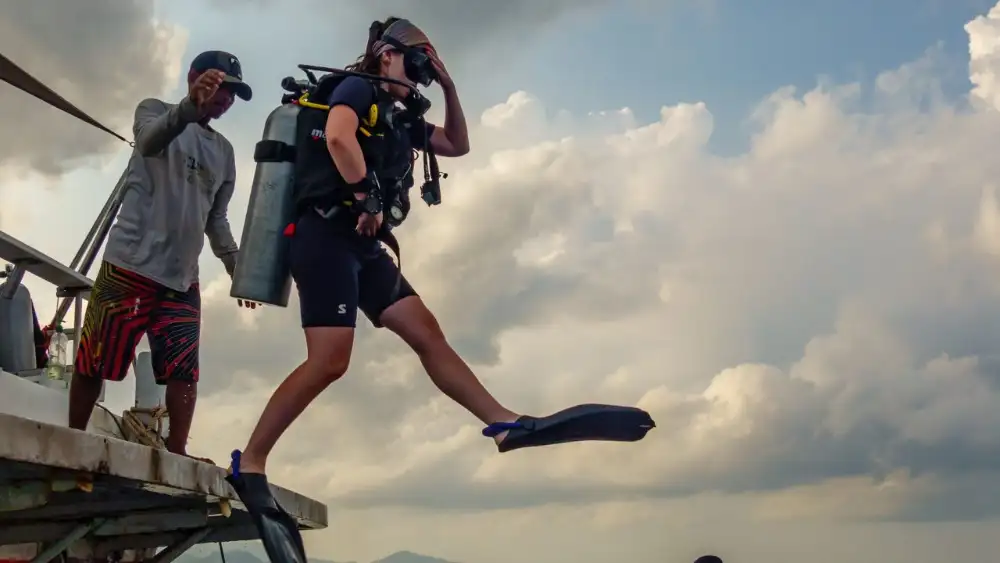
Beginner courses in Koh Tao typically span 3–4 days, combining classroom theory, confined-water training and open-water dives. Understanding how to reach Koh Tao helps you plan enough time to complete your certification without rushing through essential skills.
“The first time diving in Koh Tao’s calm, clear waters creates an instant connection with the underwater world that transforms nervous beginners into confident ocean explorers.”
Japanese Gardens and Twins offer perfect conditions for skill development, featuring shallow depths, minimal currents and abundant marine life. These sites allow new divers to practise essential techniques while experiencing the beauty that makes Koh Tao’s marine ecosystem so special.
Once comfortable with basic diving skills, intermediate divers can explore more challenging sites and pursue specialty certifications. Advanced Open Water and specialty courses open doors to deeper exploration and specialised techniques like sidemount diving.
Learn composition, lighting and equipment handling to capture the incredible marine life you’ll encounter at sites like Green Rock.
Experience nocturnal marine behaviour and enhanced colours under artificial light at familiar daytime dive sites.
Master compass navigation and natural reference techniques, essential for exploring Koh Tao’s diverse dive sites independently.
Refine your buoyancy control for better air consumption, reduced environmental impact and improved underwater photography.
Sidemount diving is increasingly popular among intermediate divers thanks to its flexibility and comfort. This configuration allows better access to tight spaces, improved equipment handling and enhanced safety through redundant air supplies.
Chumphon Pinnacle is an excellent sidemount training site, offering varied depths and terrain that challenge navigation and buoyancy skills while providing exciting encounters with schooling fish and occasional whale shark sightings. For comprehensive information about equipment and techniques, explore our guide to the best sidemount diving in Koh Tao.
Advanced divers in Koh Tao access some of Thailand’s most exciting underwater adventures, including technical diving, wreck penetration and extended bottom times using enriched air nitrox. These experiences require solid fundamental skills and additional specialised training. Discover comprehensive details about challenging dive sites and techniques in our best advanced diving in Koh Tao guide.
Warning. Advanced diving safety considerations. Advanced diving environments present increased risks that require careful planning, proper equipment and conservative dive profiles. Always dive within your training limits and keep your certifications current. Consider the island’s diving heritage and commitment to safety when choosing training providers.
Enriched air nitrox allows longer bottom times and shorter surface intervals, particularly valuable when exploring deeper sites like Sail Rock. The reduced nitrogen absorption also decreases decompression obligations, providing safety margins for challenging dives. Learn more about techniques and optimal sites in our comprehensive nitrox diving in Koh Tao guide.
The HTMS Sattakut, a decommissioned naval vessel, offers Thailand’s premier wreck diving experience. Lying at 30 metres, this intact warship requires advanced buoyancy control and penetration techniques for safe exploration of its interior spaces.
Wreck diving combines historical interest with technical challenges, as divers navigate overhead environments while observing how marine life colonises artificial structures. The experience demonstrates the importance of marine conservation efforts in preserving underwater ecosystems. For detailed information about wreck sites and safety protocols, check out our guide to the best wreck diving in Koh Tao.
Understanding seasonal variations helps optimise your diving experience in Koh Tao. Peak diving conditions occur from March through September, offering excellent visibility, calm seas and optimal weather for boat operations.
During the optimal season, water temperatures remain consistently warm (26–29°C), reducing wetsuit requirements and enhancing comfort for extended dive times. Planning your visit during these months maximises opportunities for advanced diving activities and ensures the best possible underwater experiences.
Efficient transportation around Koh Tao enhances your diving experience by providing easy access to different departure points and dive centres. Many divers find that renting a motorcycle offers the flexibility to explore various parts of the island and reach multiple dive operators.
Most dive sites require boat access, with departure points located around the island’s coastline. Understanding the logistics helps you plan efficiently and maximise your time underwater rather than dealing with transportation challenges.
Ready to explore Koh Tao’s incredible underwater world at your skill level? La Bombona Diving provides safe, professional training and guided dives for divers of all levels, from first-time beginners to advanced divers — small groups, modern equipment, multilingual instructors and a progressive path from Try Dive to Divemaster. Whether you’re taking your first breaths underwater or pursuing advanced certifications, we’ll match you with the right diving experience for your level. Start your diving journey with the Open Water course: 11,000 ฿, 4 ocean dives over 4 days, all equipment included.
Chumphon Pinnacle requires intermediate diving skills (Advanced Open Water certification or equivalent experience). The site features depths up to 32 metres with variable currents and requires good buoyancy control for safe navigation around the granite formations. Most dive operators recommend a minimum of 20 logged dives before visiting this site.
Absolutely! Koh Tao offers some of the world's best beginner diving conditions. Sites like Japanese Gardens and Twins provide shallow, calm environments perfect for learning basic skills. Try Dive programmes allow complete novices to experience diving under professional supervision before committing to a certification course. The island's experienced instructors specialise in building confidence in new divers.
March through September offers optimal conditions for all skill levels, with excellent visibility (15–25 metres), calm seas and minimal rainfall. Beginners benefit from the consistently calm conditions during this period, while advanced divers can access challenging sites like Sail Rock more reliably. The diverse marine life remains active year-round, but visibility and sea conditions are most favourable during these months.
Sidemount diving positions the tanks alongside the diver's body rather than on the back, offering several advantages: better balance and streamlining, easier tank handling on boats, redundant air supplies for safety and improved access to tight spaces. This configuration requires specialised training and equipment but provides greater flexibility and comfort, particularly for intermediate divers exploring varied underwater terrain.
The progression typically follows: Try Dive → Open Water → Advanced Open Water → specialty courses → Rescue Diver → Divemaster. Each level builds essential skills and experience. Most divers complete Open Water in 4 days, then gain experience through fun dives before pursuing the Advanced certification. Specialty courses like Nitrox, Deep Diving and Wreck Diving add specific skills for accessing Koh Tao's more challenging sites safely.
More in Diving Tips
 Diving Tips
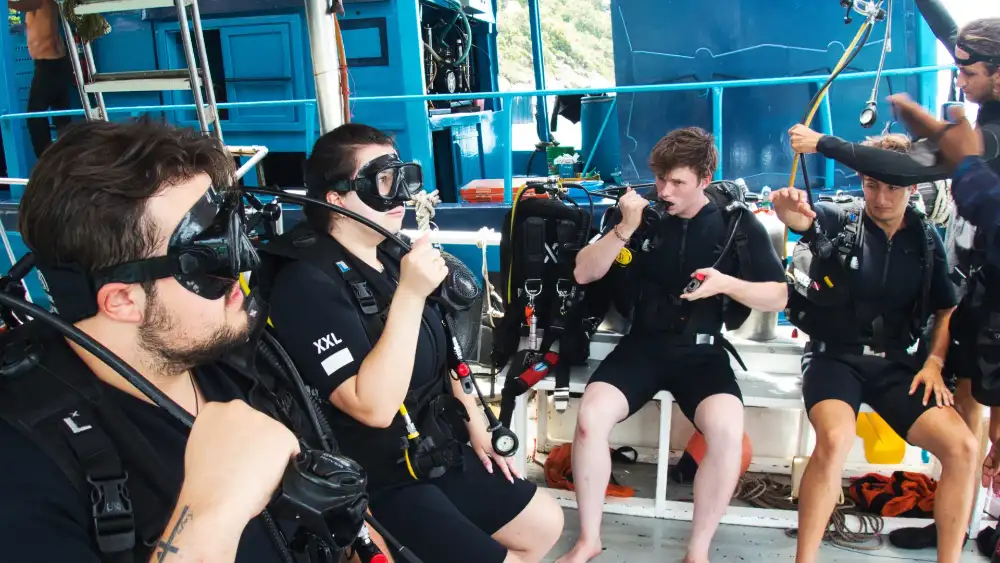
Depth, breathing, training, safety, equipment and cost compared side by side, so you can decide whether a snorkel afternoon, a Try Dive or a full Open Water course is the right fit for your Koh Tao trip.
 Diving Tips
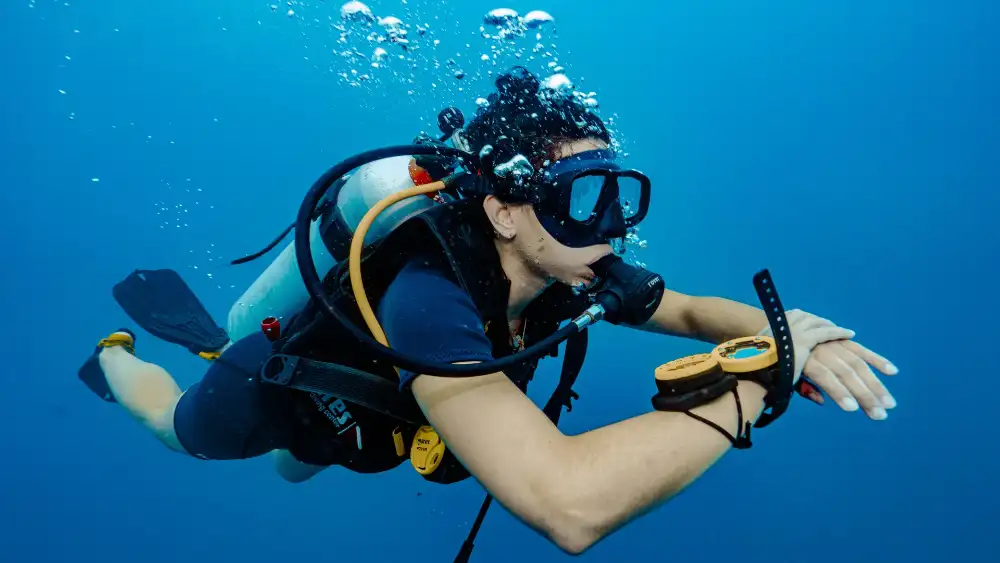
An Open Water course in Koh Tao usually takes three to four days — but the advertised number of days tells only part of the story. Here is what actually fills those days, why schedules differ between dive schools, and how to plan your stay around the course.
 Diving Tips
PADI, RAID and SSI compared across the whole training pathway — Open Water, advanced, rescue, specialities, Divemaster, instructor and technical — plus what actually decides the quality of your course in Koh Tao.
Message us on WhatsApp — courses, fun dives and honest advice about Koh Tao.
Chat on WhatsApp