The ten hand signals every diver needs — OK, up/down, stop, equalise, problem, come here, out of air, share air, help and safety stop — with photos and step-by-step instructions.
1 May 2025 · updated 27 February 2026 · by Bryan Roseman
In short. Mastering the 10 essential scuba diving signals every diver should know is crucial for underwater safety and communication. The most important signals include “OK / Are you okay?” (thumb and index finger circle), “Problem” (flat hand wobbling), “Up / Down” (thumb pointing), “Stop” (open palm) and “Out of air” (hand across throat). These universal hand signals ensure clear communication between dive buddies regardless of language barriers or diving experience level.
When you’re exploring the underwater world, clear communication can mean the difference between a safe, enjoyable dive and a potentially dangerous situation. Scuba diving signals serve as a universal language that transcends spoken words, enabling divers from different countries and backgrounds to communicate effectively beneath the surface.
Whether you’re planning to travel to Koh Tao for your first diving experience or you’re already certified but need a refresher, understanding these fundamental signals is essential for every underwater adventure.
Underwater communication through hand signals isn’t just convenient — it’s a critical safety requirement. When you’re exploring the diverse marine life around Koh Tao, you need to be able to communicate quickly and clearly with your dive buddy.
The underwater environment presents unique challenges where misunderstandings can lead to disorientation, panic or dangerous situations. Standard hand signals ensure that your messages are understood by all divers, regardless of their nationality or diving certification agency.
The most frequently used signal in scuba diving, essential for checking on your dive buddy’s wellbeing.
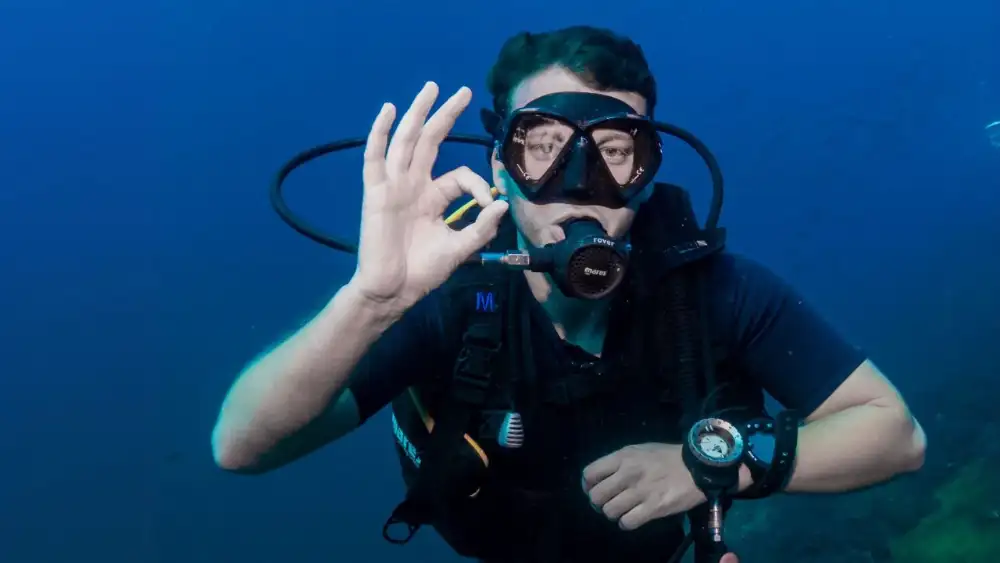
How to perform:
Critical for coordinating depth changes and ensuring your buddy knows your intentions.
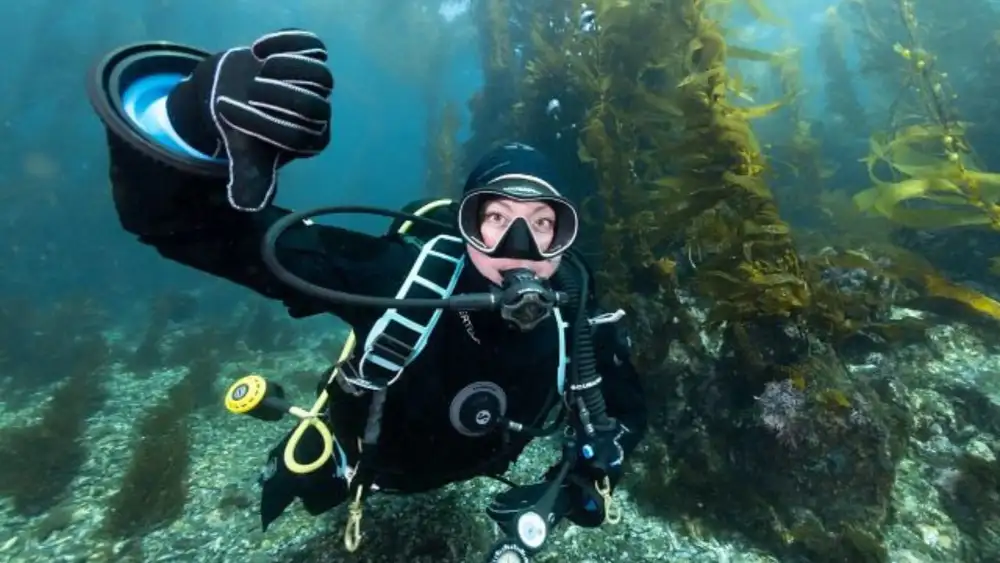
How to perform:
Immediately halts all movement and actions — crucial for safety situations.
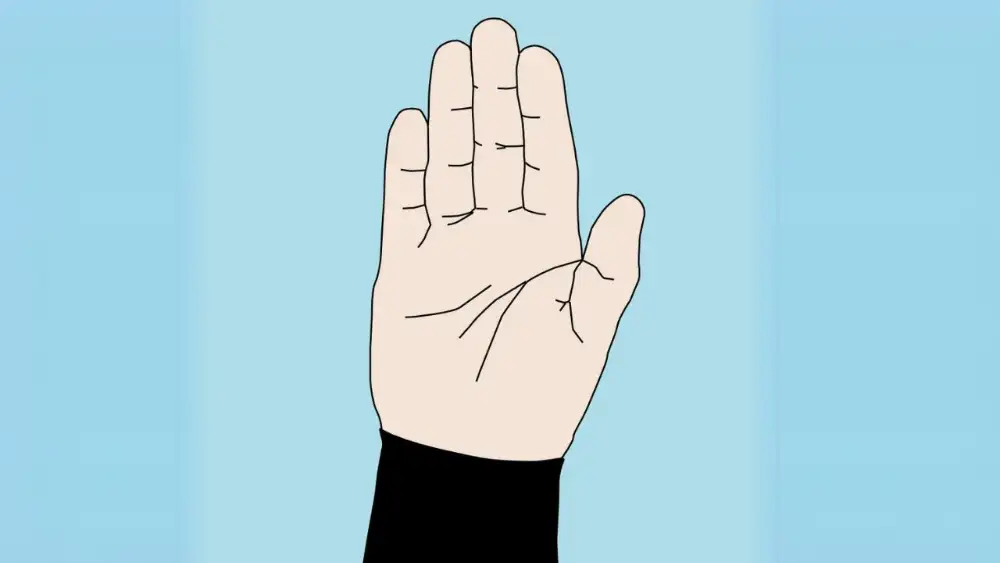
How to perform:
Indicates the need to equalise ear pressure, preventing discomfort and potential injury.
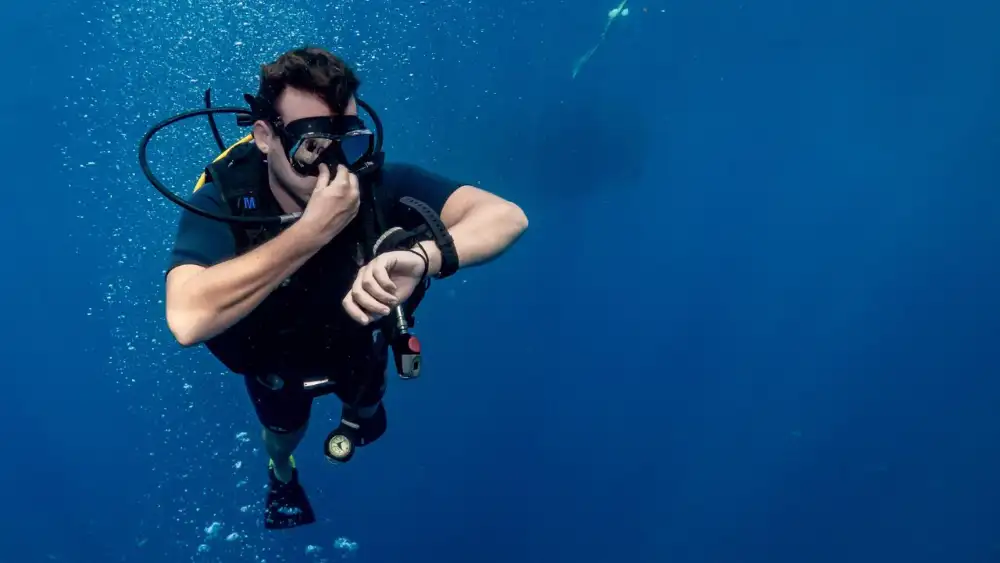
How to perform:
Indicates something is wrong and needs immediate attention.
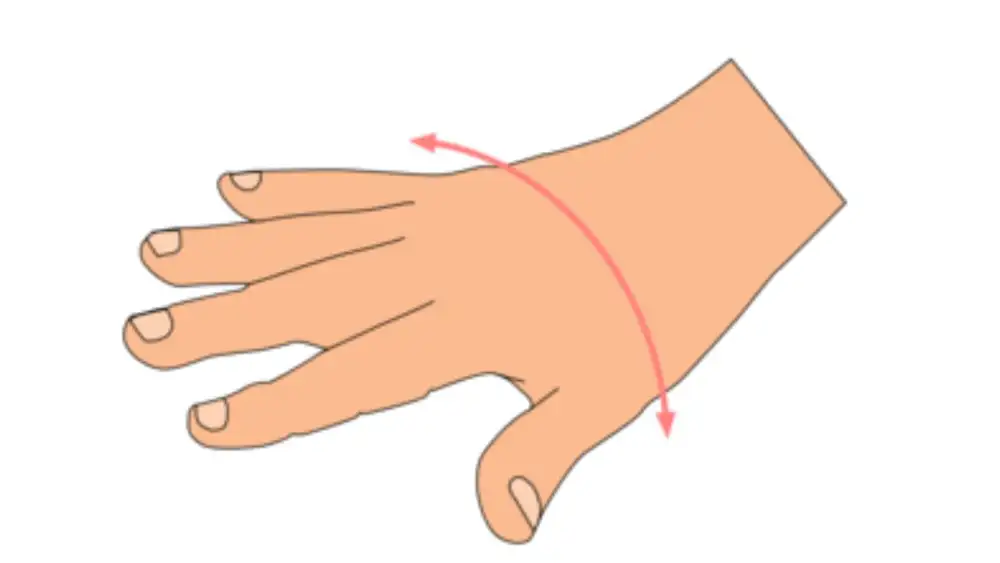
How to perform:
Directs your buddy to follow or come closer, especially useful when spotting marine life.
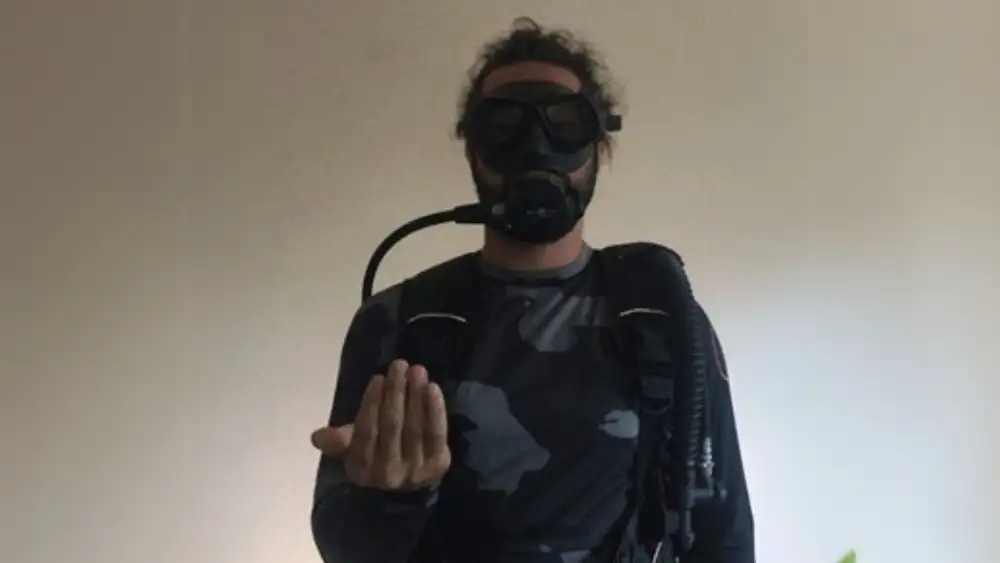
How to perform:
Warning. Emergency signals — practise these regularly. These signals can save lives. Practise them during every training dive and make sure your buddy knows them perfectly.
The most critical emergency signal — indicates an immediate need for air sharing.
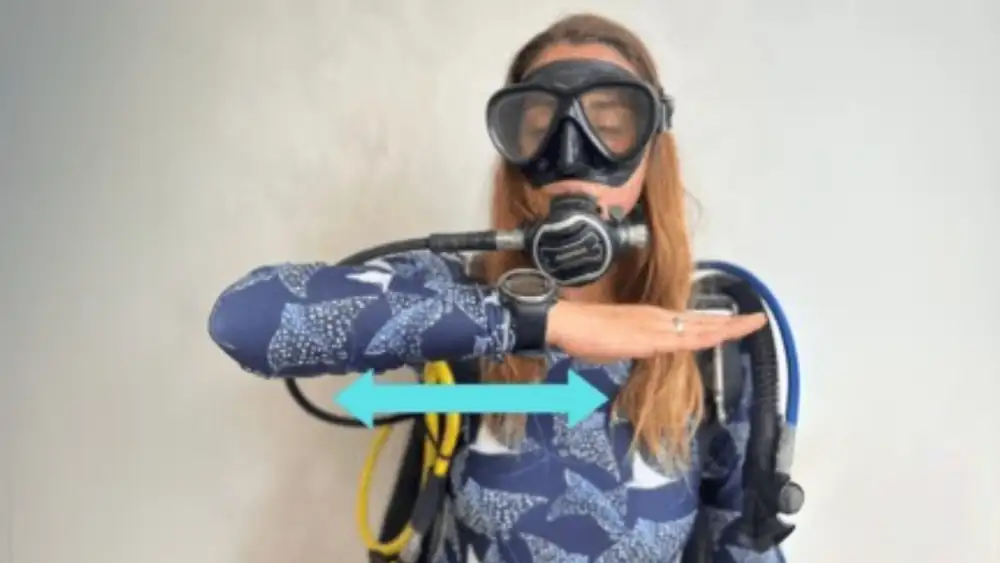
How to perform:
Requests air sharing from your buddy’s alternate regulator.
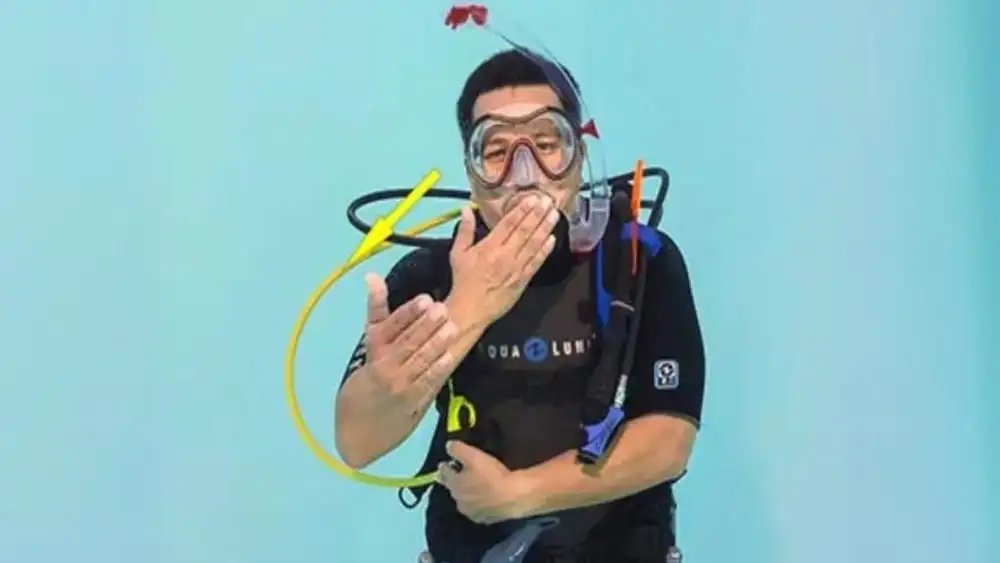
How to perform:
Signals the need for immediate help from your dive buddy or other divers.
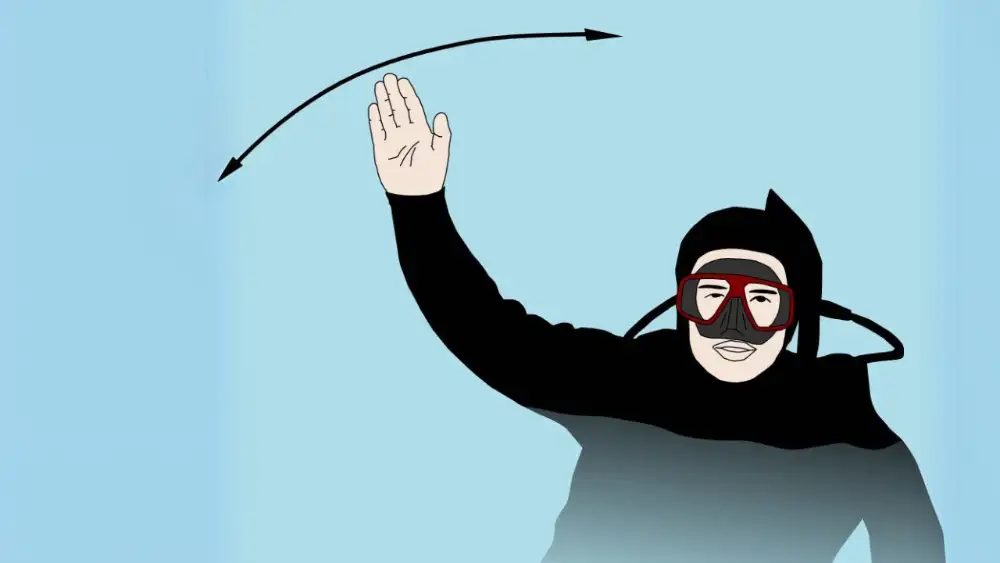
How to perform:
Indicates the need for a 3-minute safety stop at 5 metres depth.
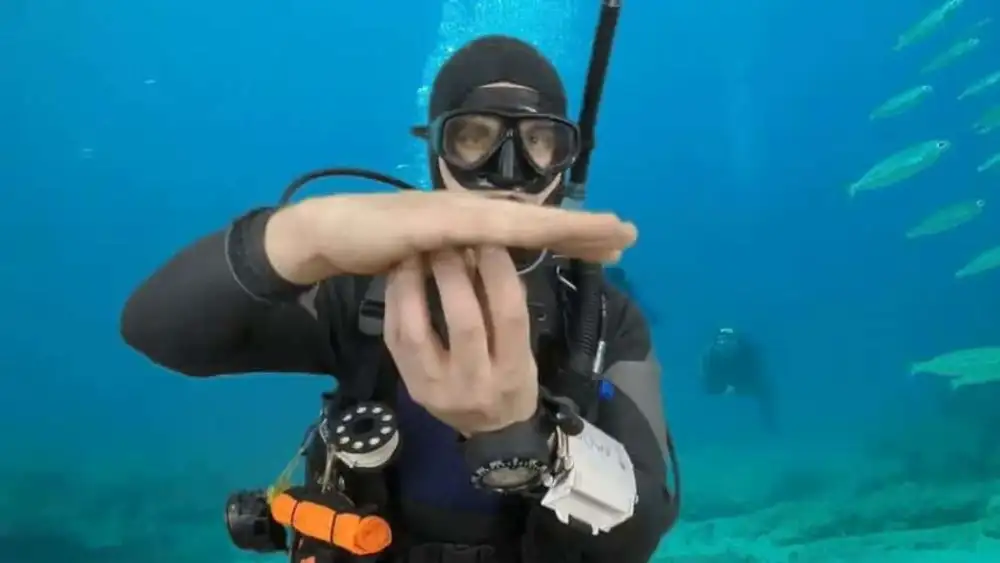
How to perform:
Learning these signals is just the beginning. When you’re diving at the top dive sites around Koh Tao, you’ll need to use these signals instinctively. Regular practice with your dive buddy before entering the water ensures smooth communication during your underwater adventure.
Always review key signals with new dive buddies before entering the water. This prevents misunderstandings during the dive.
When diving during different seasons in Koh Tao, adjust the size of your signals based on visibility and current conditions.
Ensure your buddy is looking before giving signals. Get their attention with a gentle tap if needed.
Even in emergency situations, perform signals slowly and clearly. Panic leads to miscommunication.
While most diving signals are universal, some variations exist between certification agencies and regions. When participating in diving activities for different experience levels, discuss any local signal variations with your instructor or dive guide.
The diving community in Koh Tao follows international standards, but some dive centres may have specific signals for local conditions or marine conservation protocols.
Ready to learn proper underwater communication with experienced instructors? Our Open Water course (11,000 ฿, 4 ocean dives over 4 days, all equipment included) covers thorough signal training in confined and open water, in small classes, so you communicate confidently and safely underwater.
The "OK / Are you okay?" signal is the most important and frequently used. It's essential for continuous buddy checks and confirming that everyone is safe and comfortable throughout the dive.
Most basic signals are universal across PADI, SSI, RAID and other agencies. However, some specialised or advanced signals may vary slightly. Always review signals with your instructor or dive guide before diving.
Practise signals with your dive buddy during confined water training, review them during pre-dive safety briefings, and practise on land before entering the water. Muscle memory is crucial for emergency situations.
Signal "stop" immediately, get closer to your buddy and ask them to repeat the signal slowly. If it's still unclear, surface safely to discuss. Never guess what a signal means underwater.
Yes, emergency signals like "out of air", "help" and "share air" are distinct from routine signals. These are larger, more urgent gestures designed to get immediate attention and require practised responses from your buddy.
More in Diving Tips
 Diving Tips
Depth, breathing, training, safety, equipment and cost compared side by side, so you can decide whether a snorkel afternoon, a Try Dive or a full Open Water course is the right fit for your Koh Tao trip.
 Diving Tips
An Open Water course in Koh Tao usually takes three to four days — but the advertised number of days tells only part of the story. Here is what actually fills those days, why schedules differ between dive schools, and how to plan your stay around the course.
 Diving Tips
PADI, RAID and SSI compared across the whole training pathway — Open Water, advanced, rescue, specialities, Divemaster, instructor and technical — plus what actually decides the quality of your course in Koh Tao.
Message us on WhatsApp — courses, fun dives and honest advice about Koh Tao.
Chat on WhatsApp