Sea turtles are keystone species — they control jellyfish, keep seagrass beds and coral reefs healthy and signal the state of the ocean. Here is why they matter, what threatens them and how you can help.
29 April 2025 · updated 27 February 2026 · by Bryan Roseman
In short. Sea turtles are essential for healthy marine ecosystems because they act as keystone species that maintain ocean balance through their feeding habits, support biodiversity, and indicate overall ocean health. These ancient mariners control jellyfish populations, maintain seagrass beds, and transfer nutrients between marine and terrestrial environments. Without sea turtles, marine food webs would collapse, leading to devastating ecosystem imbalances that affect all ocean life.
Understanding exactly why sea turtles are important for a healthy ocean reveals the intricate connections within marine ecosystems. These remarkable creatures have survived for over 100 million years, making them living witnesses to Earth’s evolutionary history. Their continued existence depends on healthy oceans, while healthy oceans depend on their ecological contributions. Locations like Koh Tao’s marine environments provide perfect examples of these interconnected relationships.
Sea turtles face unprecedented threats from human activities, making their conservation critical not just for their survival, but for the entire ocean ecosystem’s wellbeing.
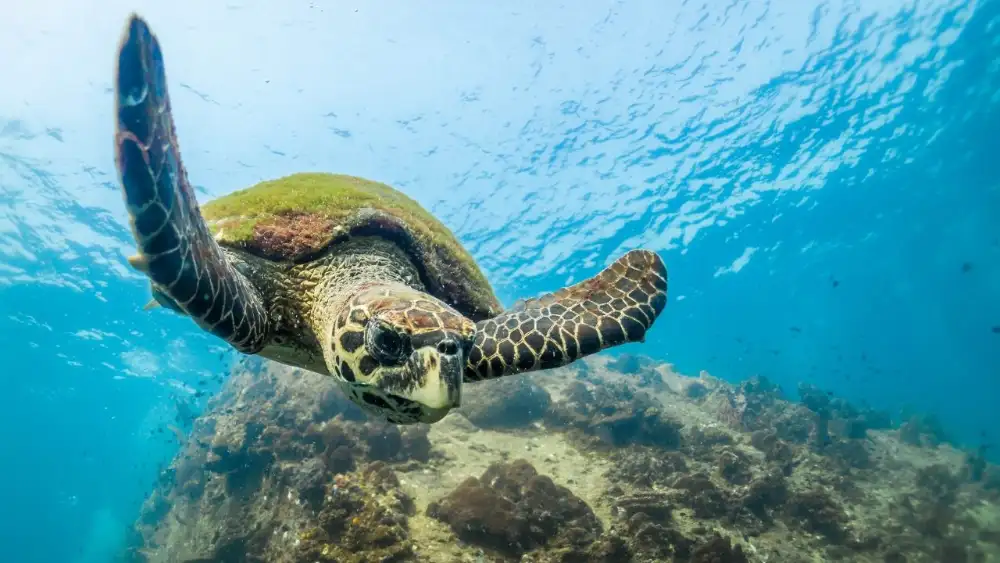
A keystone species has a disproportionately large impact on ecosystem structure and function relative to its abundance. Sea turtles exemplify this concept perfectly – their removal would trigger cascading effects throughout marine food webs, fundamentally altering ocean ecosystems.
Leatherback turtles consume massive quantities of jellyfish, preventing jellyfish blooms that could devastate fish populations and disrupt marine food chains.
Green turtles graze on seagrass beds, promoting healthy growth patterns and preventing overgrowth that could lead to die-offs and habitat loss.
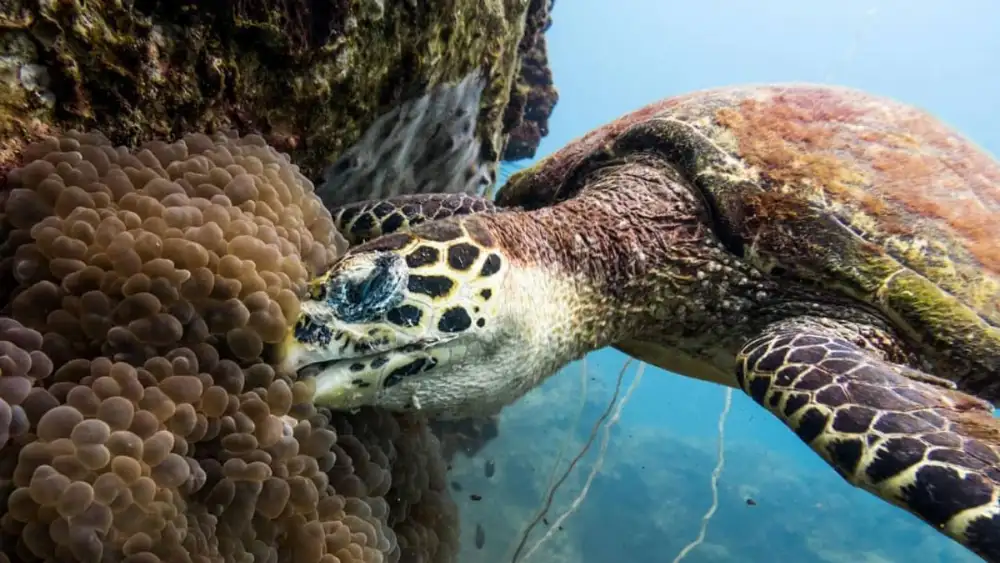
Hawksbill turtles feed on sponges that compete with corals for space, helping maintain healthy coral reef ecosystems essential for marine biodiversity.
Nesting turtles transport marine nutrients to beaches, enriching coastal vegetation and supporting dune stabilisation that protects shorelines.
Sea turtles operate across all ocean layers, creating vital connections throughout marine ecosystems.
The complexity of why sea turtles are important for a healthy ocean becomes clear when examining their role in marine food webs. Different turtle species occupy distinct ecological niches, each contributing uniquely to ocean health. Understanding optimal seasons for marine observation helps researchers study these vital interactions:
| Turtle Species | Primary Diet | Ecosystem Impact | Habitat Benefit |
|---|---|---|---|
| Leatherback | Jellyfish | Controls jellyfish populations | Prevents ecosystem disruption |
| Green Turtle | Seagrass, algae | Maintains seagrass health | Supports marine nurseries |
| Hawksbill | Sponges | Reduces coral competition | Promotes coral reef growth |
| Loggerhead | Crustaceans, molluscs | Controls shellfish populations | Maintains seafloor balance |
Sea turtles serve as mobile ecosystems, carrying diverse communities of organisms as they migrate across ocean basins. Barnacles, algae, and small crustaceans hitchhike on turtle shells, creating floating habitats that support biodiversity in open ocean environments where life is typically sparse. Different diving experiences allow researchers and tourists to observe these relationships at various ocean depths.
Their long-distance migrations facilitate genetic exchange between distant populations, maintaining genetic diversity crucial for species resilience. This genetic mixing helps marine populations adapt to changing environmental conditions and resist disease outbreaks.
How much sea turtle conservation improves overall ocean health depends on four interlinked factors:
The stronger the action on each front, the greater the recovery in turtle numbers — and the healthier the ocean they support.
Coastal development destroys nesting beaches while artificial lighting confuses hatchlings, causing them to crawl away from the ocean toward roads and buildings.
Plastic debris resembles food sources, leading to ingestion that can cause internal injuries, blockages, and death. Microplastics affect entire food chains.
Rising sand temperatures feminise hatchling populations, while sea level rise and increased storm intensity destroy nesting sites and alter ocean currents.
Commercial fishing operations accidentally capture turtles in nets and on hooks, often resulting in injury or death before they can be released.
Despite international protection laws, sea turtles are still hunted for their shells, meat, and eggs, putting additional pressure on vulnerable populations.
Increased boat traffic in turtle habitats leads to collisions that can injure or kill turtles, particularly in shallow coastal areas and near popular dive sites.
Warning. Ecosystem collapse risk: without sea turtles, marine ecosystems face cascading failures. Jellyfish populations could explode, overwhelming fish stocks. Seagrass beds might become overgrown and die off, eliminating crucial nursery habitats. Coral reefs could be smothered by competing sponges. Understanding why sea turtles are important for a healthy ocean means recognising these interconnected risks to all marine life.
Establish protected nesting areas with lighting ordinances and limited development to ensure safe reproduction cycles.
Implement comprehensive plastic bans and promote alternatives to reduce marine debris that threatens turtle survival.
Require turtle-excluding devices and promote sustainable fishing practices that minimise bycatch incidents.
Support global efforts to reduce greenhouse gas emissions and protect ocean ecosystems from warming effects.
Raise awareness about turtle importance through community outreach and marine conservation education initiatives.
Fund scientific studies that improve understanding of turtle behaviour, migration patterns, and conservation needs.
Individual actions collectively create significant impacts when multiplied across communities. Here are practical ways to support sea turtle conservation and demonstrate why sea turtles are important for a healthy ocean. Many conservation-minded travellers choose to visit dedicated marine conservation areas to support these efforts directly:
Witness sea turtle conservation in action. Koh Tao’s waters provide critical habitat for hawksbill and green turtles. Our divemasters will show you these magnificent creatures while teaching responsible underwater interaction techniques that support conservation efforts, in small groups for minimal environmental impact. Whether you’re planning to travel to this conservation hotspot or seeking the best dive sites for turtle encounters, La Bombona Diving provides expert guidance for meaningful conservation experiences. A Try Dive (2,500 ฿) is the perfect way to go and find some turtles.
Scientists consider sea turtles “indicator species” because their health reflects the overall condition of marine ecosystems. Declining turtle populations often signal broader environmental problems affecting all ocean life. The best times for marine observation coincide with peak turtle activity periods, providing optimal opportunities for research and conservation monitoring.
When turtle populations thrive, it indicates:
Conversely, declining turtle numbers warn of ecosystem stress that threatens all marine species, making their conservation essential for ocean health.
One of the most concerning aspects of why sea turtles are important for a healthy ocean relates to climate change impacts on their reproduction. Sea turtles exhibit temperature-dependent sex determination, where sand temperature during incubation determines hatchling gender.
Current warming trends are creating alarming imbalances:
Some beaches now produce 95% female hatchlings, threatening future reproduction as insufficient males remain to maintain viable breeding populations.
Despite challenges, conservation efforts demonstrate positive outcomes when communities unite to protect sea turtles:
| Location | Conservation Method | Population Impact | Ecosystem Benefit |
|---|---|---|---|
| Costa Rica | Protected nesting beaches | 500% increase in leatherbacks | Restored jellyfish population control |
| Australia | Fishing gear modifications | 80% reduction in bycatch | Maintained seagrass grazing patterns |
| Mediterranean | Marine protected areas | Stable loggerhead populations | Preserved seafloor ecosystems |
| Thailand | Community-based conservation | Recovering hawksbill numbers | Healthier coral reef systems |
Understanding why sea turtles are important for a healthy ocean includes recognising their economic contributions through ecotourism and ecosystem services. Healthy turtle populations support sustainable tourism, with many visitors seeking diverse diving experiences to observe these magnificent creatures:
For those interested in supporting turtle conservation through responsible tourism, learning about conservation area development provides valuable context for modern protection efforts.
The future of sea turtle conservation depends on global cooperation, innovative solutions, and sustained commitment to ocean protection. Emerging technologies like satellite tracking, genetic analysis, and artificial intelligence enhance our understanding of turtle behaviour and conservation needs. Visitors can experience firsthand conservation efforts by exploring rich marine biodiversity areas where sea turtle conservation is a high priority.
Key priorities for future conservation include:
Understanding why sea turtles are important for a healthy ocean motivates action at every level, from individual choices to global policy. These ancient mariners have witnessed Earth’s changes for millions of years – their survival now depends on our commitment to protecting the oceans they call home. For those ready to take action, visiting key marine habitats provides opportunities to support conservation through responsible ecotourism.
Every action taken to protect sea turtles simultaneously protects the entire ocean ecosystem, ensuring healthy seas for future generations. Whether through supporting conservation organisations, making sustainable lifestyle choices, or simply sharing knowledge about their importance, everyone can contribute to preserving these remarkable keystone species and the vibrant ocean ecosystems they sustain. For those planning to visit marine conservation areas, responsible tourism directly supports ongoing protection efforts.
Sea turtles are keystone species because their ecological role far exceeds their population size. They control jellyfish populations, maintain seagrass beds, support coral reef health, and transfer nutrients between marine and terrestrial environments. Their removal would trigger cascading effects throughout ocean ecosystems, fundamentally altering marine food webs and biodiversity patterns.
Green turtles graze on seagrass in patterns that promote healthy growth, similar to how lawn mowing encourages thick grass. This grazing prevents overgrowth that could lead to die-offs, maintains open areas for other species, and stimulates new growth. Healthy seagrass beds serve as nurseries for fish, stabilise seafloors, and sequester carbon, making turtle grazing essential for ocean health.
Without sea turtles, marine ecosystems would face multiple cascading failures. Jellyfish populations could explode, overwhelming fish stocks and disrupting food chains. Seagrass beds might become overgrown and die off, eliminating crucial nursery habitats. Coral reefs could be smothered by competing sponges. These changes would reduce biodiversity, alter species composition, and potentially collapse entire marine ecosystems.
Climate change affects sea turtles through multiple pathways: rising sand temperatures create gender imbalances in hatchlings (producing too many females), sea level rise destroys nesting beaches, increased storm intensity disrupts reproduction, and changing ocean currents alter migration routes and food availability. These impacts threaten population stability and reproductive success across all turtle species.
Individuals can support sea turtle conservation by reducing plastic use, participating in beach cleanups, choosing sustainable seafood, supporting conservation organisations, advocating for turtle-friendly lighting in coastal areas, and practising responsible wildlife tourism. Education and awareness-raising multiply these efforts by inspiring others to take action for turtle and ocean protection.
Yes, several conservation success stories demonstrate effective protection strategies. Costa Rica's protected nesting beaches led to a 500% increase in leatherback populations. Australia's fishing gear modifications reduced bycatch by 80%. Mediterranean marine protected areas stabilised loggerhead populations. These successes show that coordinated conservation efforts can restore turtle populations and ocean health.
More in Marine Life
 Marine Life
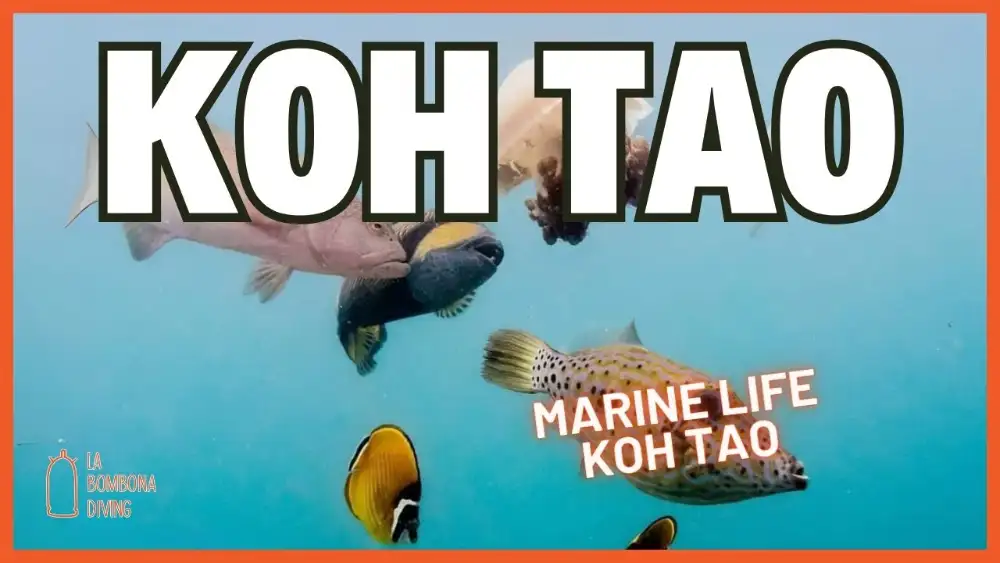
From barracuda and trevally to lionfish, cuttlefish, pufferfish, boxfish, moray eels, batfish and sea kraits — a species-by-species guide to the marine life you can meet on Koh Tao's reefs.
 Marine Life
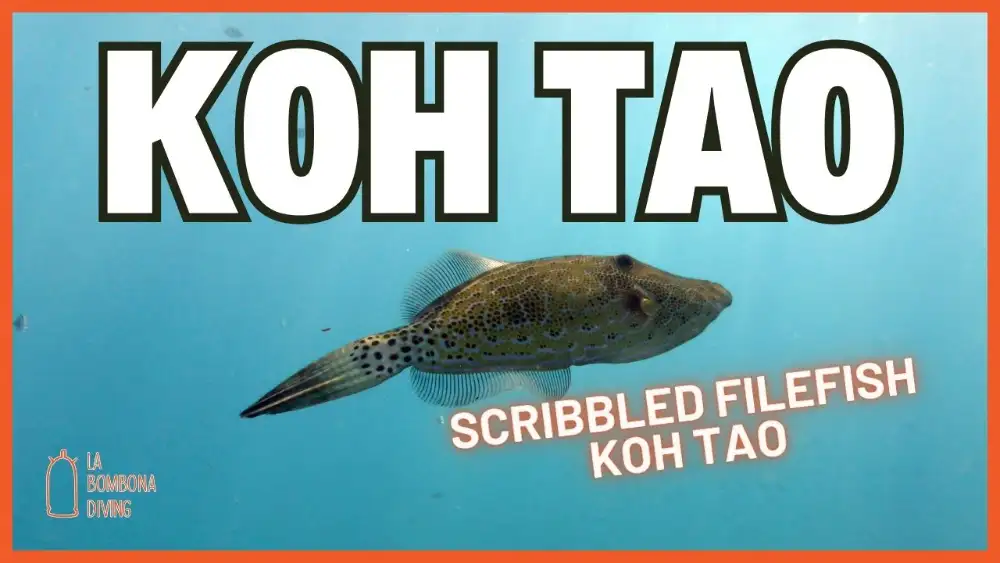
The enigmatic scribbled filefish of Koh Tao — how to identify these living artworks, how they behave, where to find them on the island's dive sites, and the conservation challenges they face.
 Marine Life
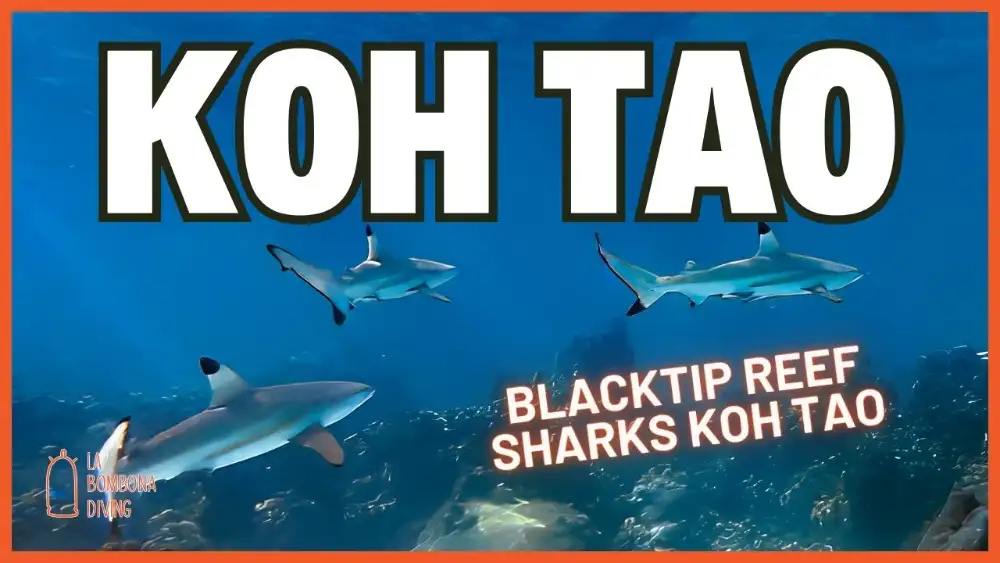
Everything about Koh Tao's blacktip reef sharks — how to identify them, how they behave and hunt, the bays where you can reliably see them, the best time of day, and how to watch them responsibly.
Message us on WhatsApp — courses, fun dives and honest advice about Koh Tao.
Chat on WhatsApp