When and where to see whale sharks around Koh Tao, how to dive and snorkel with them safely and respectfully, and how you can help protect the ocean's gentle giants.
3 May 2025 · updated 27 February 2026 · by Bryan Roseman
Key takeaways
- Whale sharks are most often seen in Koh Tao between March and May, although sightings are possible throughout the year.
- The best dive sites for spotting whale sharks in Koh Tao are Chumphon Pinnacle, Sail Rock and South West Pinnacle.
- Whale sharks are known as gentle giants: they primarily eat plankton and small fish, so they are safe to swim with.
- When diving with whale sharks, it’s important to keep a respectful distance and never touch or feed them.
- Conservation efforts in Koh Tao aim to protect whale sharks and their habitat, and visitors can help by following the guidelines and supporting local initiatives.
Imagine swimming next to the largest fish in the ocean, a creature so magnificent that it commands respect and awe. This is the attraction of diving with whale sharks in Koh Tao. Known for its rich marine life and tropical waters, Koh Tao provides a unique chance to see these gentle giants up close. As a marine wildlife enthusiast, I find that there’s nothing quite like the thrill of seeing a whale shark glide gracefully through the water.
Koh Tao, a small island off the coast of Thailand, is a hot spot for divers. Its warm waters and rich biodiversity make it a haven for marine life. Whale sharks, the gentle giants of the sea, are attracted to Koh Tao because of the plentiful plankton in its waters. This rich food source, combined with the favourable water temperatures, creates an ideal environment for these incredible creatures.
If you’re planning a trip to Koh Tao to see whale sharks, timing is everything. The best time to go is between March and May, when the likelihood of seeing these massive creatures is at its peak. During these months the waters around Koh Tao are full of plankton, which draws in more whale sharks. Keep in mind, though, that sightings can never be promised: these are wild animals that are free to roam wherever they please.
For those hoping to catch a glimpse of a whale shark, certain dive sites in Koh Tao are known hotspots. Chumphon Pinnacle is famous for its regular whale shark sightings, thanks to its deep water and abundant marine life. Sail Rock is another top dive site where divers have a great chance of seeing whale sharks, particularly in high season. South West Pinnacle is also a hit with divers for its varied marine life and the odd whale shark sighting.
It’s important to follow certain rules when diving at these locations to ensure a safe and enjoyable experience for both you and the whale sharks. Always pay attention to your diving instructor, keep a safe distance, and never try to touch or feed the whale sharks. For more information on the top dive sites of Koh Tao, click here.
The largest fish in the sea, the Rhincodon typus or whale shark, is a gentle creature despite its massive size. It poses no threat to humans and is a filter feeder, meaning it primarily eats plankton and small fish. This makes it perfectly safe to swim with.
Whale sharks are truly a marvel to witness with their unique spotted patterns. Like a human fingerprint, each pattern is one of a kind, enabling researchers to identify each shark. Their massive size and slow, elegant movements make them a mesmerising sight underwater.
Coming face to face with a whale shark is a memory that stays with divers and snorkellers long after they’ve left the water. It’s a testament to the wonder and variety of our seas, and a reminder of why it’s so crucial to protect these magnificent animals for future generations to enjoy.
Arranging your holiday to match the whale sharks’ high season can increase your odds of seeing one. Nonetheless, you must be adaptable and prepared for the whims of Mother Nature. Whale sharks are migratory creatures, and their patterns can change with environmental conditions.
Whale sharks in Koh Tao offer a heart-pounding experience for divers and snorkellers, but it’s important to be prepared and to respect the underwater environment. To increase your chances of seeing these magnificent creatures, you need the right equipment and the knowledge of how to interact with them.
When diving with whale sharks, your safety should always come first. Follow these guidelines to make sure your encounter is both safe and respectful:
The most important thing is to respect the natural environment and leave no trace of your visit. This ensures that future divers can enjoy the same pristine conditions.
It is important to respect whale sharks and their environment, both for their protection and to keep diving sustainable. Here are some ways to observe them responsibly:
By adopting these habits you’re helping to protect whale sharks and their habitat, ensuring that future generations can also enjoy their majesty.
Before you embark on your diving adventure with whale sharks, it’s worth familiarising yourself with their behaviour and routines. These magnificent creatures are a marvel of the underwater world, with distinct features that make them stand out. If you’re interested in helping sharks, understanding shark conservation efforts can deepen your appreciation of these gentle giants.
Whale sharks are filter feeders, which means they eat by filtering large amounts of plankton and small fish through their gills. This is why they are attracted to the plankton-rich waters of Koh Tao.
Whale sharks are famous for migratory routes that span thousands of kilometres across the ocean. Those routes are determined by factors like food supply and water temperature. In Koh Tao, whale sharks are often spotted as they follow their migratory route along the Gulf of Thailand, drawn by the plentiful supply of plankton in the area.
By understanding these behaviours, divers can anticipate and appreciate the movements of whale sharks, which enhances the whole diving experience.
Conservation is key to ensuring that whale sharks continue to thrive in Koh Tao. Local groups and diving companies play an active role in protecting these incredible animals and their environment.
Efforts such as tracking whale shark numbers, educating tourists and encouraging eco-friendly diving habits are crucial parts of this conservation work. Visitors can help protect the marine environment by getting involved, especially when visiting the top dive sites in Koh Tao.
By supporting conservation efforts, we’re not only helping to protect whale sharks but also contributing to the wellbeing and longevity of the entire marine ecosystem in Koh Tao.
On Koh Tao, the protection of marine creatures is a shared responsibility. Local dive centres and conservation groups work together to keep an eye on the whale shark population and keep their habitat clean. They regularly organise initiatives such as beach clean-ups, coral reef restoration and educational workshops. These actions not only protect the marine environment but also raise awareness of the importance of conservation among locals and tourists alike. For those keen to explore the underwater world, Koh Tao offers top dive sites that showcase the island’s rich marine biodiversity.
As a visitor, your actions can make a big difference to marine conservation in Koh Tao. By getting involved with local initiatives you can play your part in preserving the stunning natural environment and its underwater residents. Think about volunteering for beach clean-ups or donating to organisations focused on marine conservation.
Be a responsible tourist, too, by sticking to the rules for sustainable diving and snorkelling. Say no to single-use plastics, respect marine life, and support businesses that are eco-friendly. These deliberate choices help ensure the long-term survival of Koh Tao’s marine ecosystem. If you are around Koh Tao for the annual “Swim For Sharks” event (17 May 2025), you can get involved and contribute to their conservation.
As you prepare for your journey to Koh Tao, you may have a few questions about diving with whale sharks and how to make the most of the experience while staying safe. Here are some common ones:
If you see a whale shark while diving, stay calm and keep a respectful distance. Don’t make any sudden movements and don’t try to touch or feed the shark. Instead, watch from a safe distance and enjoy the experience of seeing these gentle giants in their natural environment.
Don’t forget to heed the advice of your dive guide. They’re there to make sure you’re safe and that the marine life is unharmed. By following their guidelines you’re doing your part to keep the whale sharks safe and make the experience enjoyable for everyone. For more on diving safely, check out this guide to the scuba diving buddy safety check.
Yes, there are rules designed to safeguard whale sharks and their habitat. Divers must keep at least 3 metres away from the whale sharks and refrain from touching or feeding them. Dive operators in Koh Tao comply with these rules to promote the safety and preservation of marine life.
By following these safety measures you can ensure that children have a safe and unforgettable experience watching whale sharks in their natural environment.
Teaching kids about the importance of conservation and respect for marine life is essential, too. It cultivates a sense of responsibility and admiration for the wonders of the ocean. If you’re thinking of introducing children to underwater exploration, scuba diving for kids can be a great way to foster this appreciation.
Booking a diving trip in Koh Tao is easy. Numerous dive shops offer packages that include equipment, guided dives and boat transport to the dive sites. It’s recommended to book ahead of time, particularly during the height of whale shark season, to make sure you have a spot.
There are several ways to help with whale shark conservation. You might consider donating to local conservation organisations that focus on protecting marine life and preserving its habitat. You can also take part in citizen science projects, like reporting whale shark sightings, which help researchers track populations and migration routes.
You can also help spread the word about the importance of conservation by sharing your experiences and knowledge with others. Advocate for responsible tourism and encourage the protection of marine environments to ensure the survival of whale sharks and other marine species.
More in Marine Life
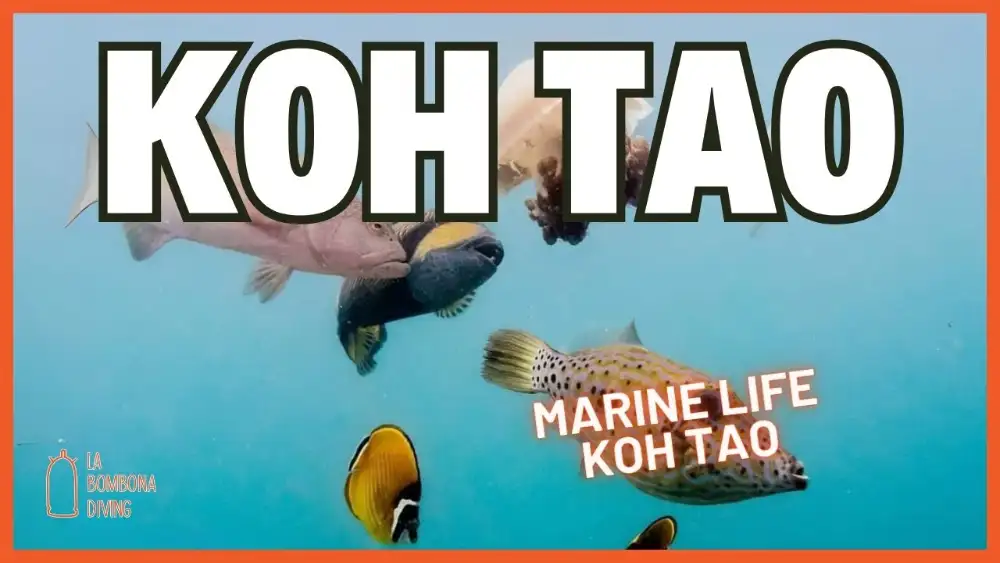 Marine Life
From barracuda and trevally to lionfish, cuttlefish, pufferfish, boxfish, moray eels, batfish and sea kraits — a species-by-species guide to the marine life you can meet on Koh Tao's reefs.
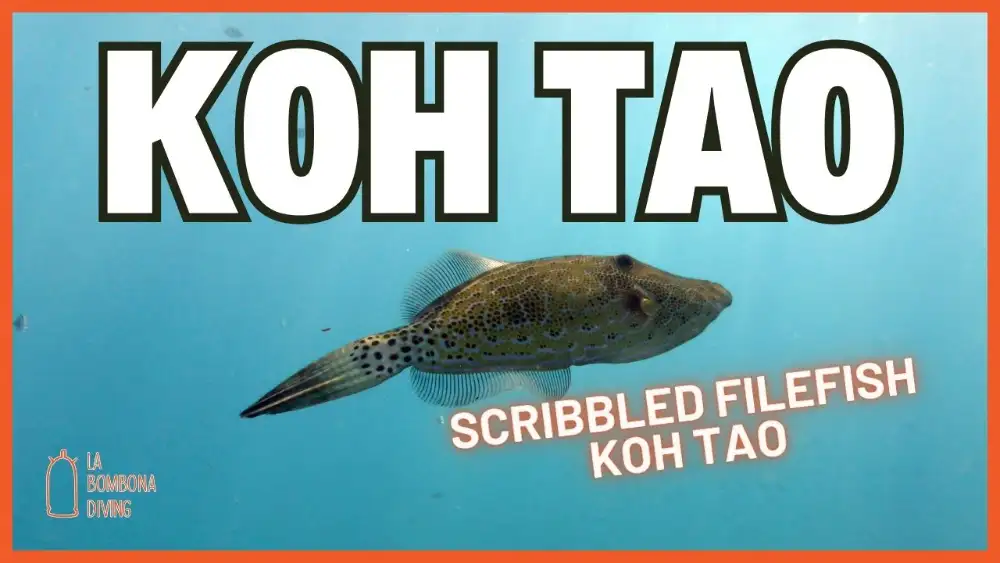 Marine Life
The enigmatic scribbled filefish of Koh Tao — how to identify these living artworks, how they behave, where to find them on the island's dive sites, and the conservation challenges they face.
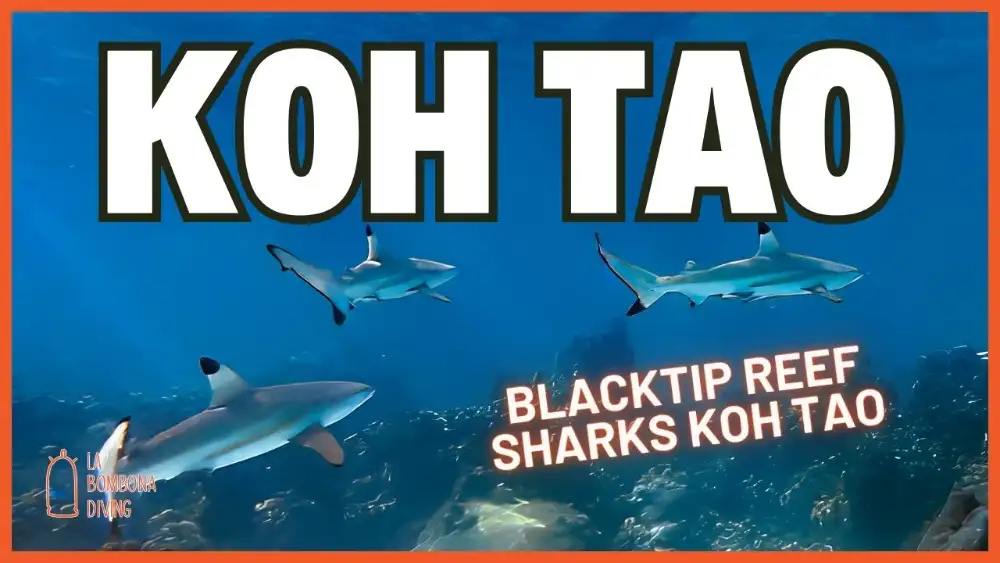 Marine Life
Everything about Koh Tao's blacktip reef sharks — how to identify them, how they behave and hunt, the bays where you can reliably see them, the best time of day, and how to watch them responsibly.
Message us on WhatsApp — courses, fun dives and honest advice about Koh Tao.
Chat on WhatsApp