Blue-spotted ribbontail rays, Jenkins' whip rays and the rare eagle ray — how to identify each species, where and when to find them around Koh Tao, and how to watch them responsibly.
4 May 2025 · updated 27 February 2026 · by Bryan Roseman
In short. Stingrays Koh Tao offer some of Thailand’s most exciting underwater encounters. Three distinct species call these waters home: the common blue-spotted ribbontail ray with its distinctive yellow body and bright blue spots, the larger Jenkins’ whip ray found in deeper waters, and the rare eagle ray that provides unforgettable sightings for lucky divers. Each species offers unique characteristics and behaviours that make Koh Tao one of Southeast Asia’s premier destinations for stingray encounters.
The waters surrounding Koh Tao’s rich marine heritage provide perfect conditions for stingray populations to thrive. These graceful creatures represent some of the most sought-after encounters for both novice and experienced divers visiting Thailand’s diving capital.
Understanding where and when to find these magnificent animals enhances your diving experience and contributes to marine conservation efforts that protect their habitats for future generations.
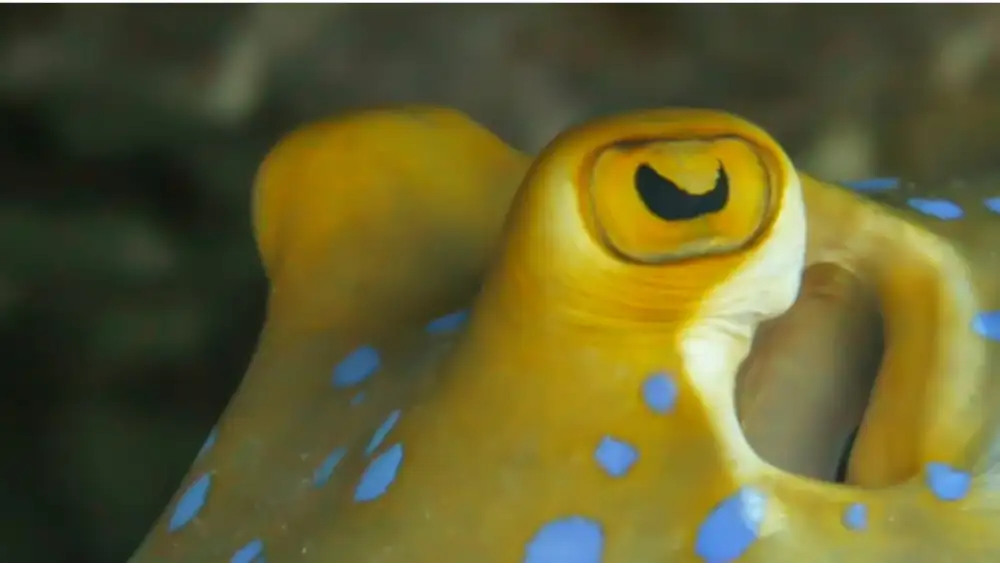
Blue-spotted ribbontail rays represent the most accessible stingray encounters for divers exploring Koh Tao’s diverse marine life. These beautiful creatures inhabit virtually every dive site around the island, making them perfect subjects for underwater photography and marine life observation.
| Feature | Blue-spotted ribbontail | Jenkins’ whip ray | Eagle ray |
|---|---|---|---|
| Body colour | Yellow with blue spots | Grey to brown | Dark with white spots |
| Size range | 20–35 cm wingspan | Up to 1.5 m wingspan | 2 m+ wingspan |
| Tail length | Body length + 50% | 2× body length | Long with venomous barb |
| Habitat preference | Sandy areas, coral gardens | Rocky crevices, wrecks | Open water, drop-offs |
| Encounter frequency | Daily sightings | 2–3 times per week | Monthly or less |
Blue-spotted ribbontail rays exhibit fascinating feeding behaviours that make them particularly interesting to observe. These rays use their flattened bodies to uncover small crustaceans, worms and molluscs hidden in sandy substrates. Their ability to completely bury themselves in sand serves both as camouflage from predators and an ambush strategy for capturing prey.
During optimal diving conditions, these rays become more active, particularly during early morning and late afternoon feeding periods.
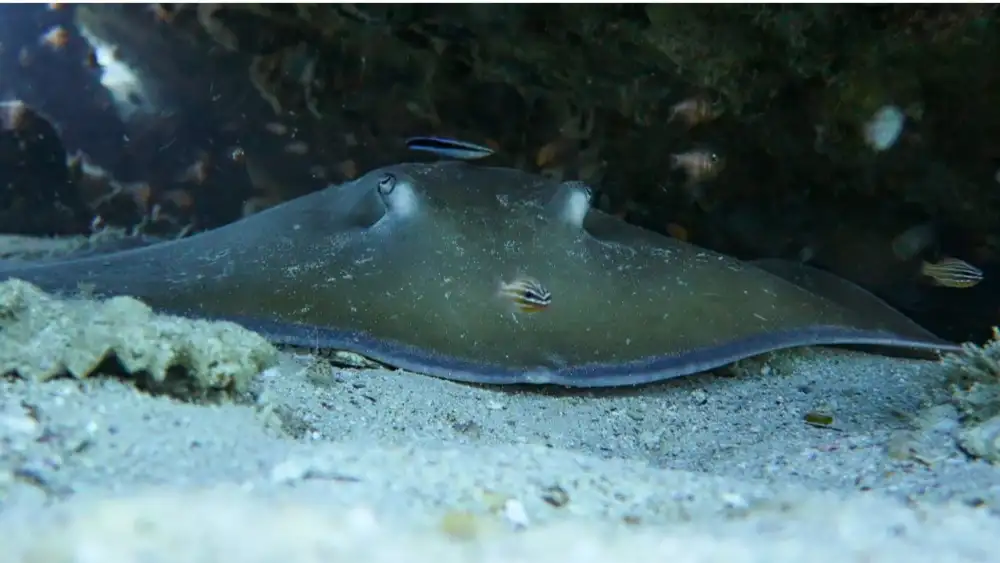
Jenkins’ whip rays offer more challenging encounters for divers seeking unique experiences among the stingrays Koh Tao waters provide. These impressive creatures prefer deeper waters and specific habitat types, making successful sightings particularly rewarding for experienced divers.
Based on consistent sighting reports and local dive guide experience, these sites offer the highest probability of Jenkins’ whip ray encounters:
These locations provide the sandy substrates and protective structures that Jenkins’ whip rays prefer for resting and hunting. Check areas near the base of rock formations and around wreck structures where these rays commonly seek shelter.
Jenkins’ whip rays distinguish themselves through their impressive size, with wingspans reaching up to 1.5 metres, making them one of the largest ray species regularly encountered in Koh Tao’s premier dive sites. Their characteristic whip-like tails can extend twice their body length, creating a dramatic silhouette against the ocean floor.
Unlike their colourful blue-spotted cousins, Jenkins’ whip rays display more subdued grey to brown coloration that provides excellent camouflage against rocky and sandy environments. This natural camouflage makes spotting them a rewarding challenge for observant divers.
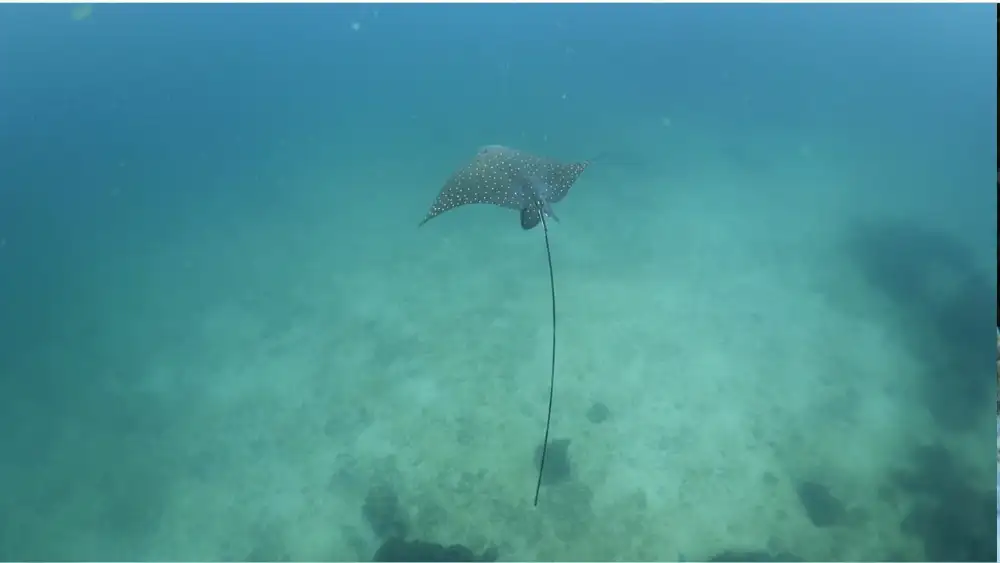
Eagle ray sightings represent the pinnacle of stingray encounters in Koh Tao waters. The Aetobatus ocellatus, or ocellated eagle ray, provides unforgettable experiences for divers fortunate enough to witness their graceful movements through open water environments.
Eagle rays showcase distinctive diamond-shaped bodies with elongated, pointed wings that create their characteristic “flying” appearance underwater. Their dark bodies adorned with white spots create striking visual contrast that makes identification unmistakable, even from considerable distances.
These magnificent creatures possess long, thin tails equipped with venomous barbs used exclusively for defence. Their graceful swimming style resembles underwater flight, with slow, powerful wing beats that propel them effortlessly through the water column.
Eagle rays favour deeper waters and open ocean environments, making encounters most likely at sites like White Rock and Shark Island. These locations provide the depth and open-water characteristics that appeal to eagle rays’ migratory nature and feeding preferences.
All stingray species in Koh Tao face pressure from habitat degradation and human interference. Responsible diving practices help ensure these magnificent creatures continue thriving in local waters:
Safety guidelines for stingray encounters. While stingrays are generally docile creatures, understanding proper safety protocols ensures enjoyable encounters for both divers and marine life. Never attempt to touch or handle stingrays, as this can trigger defensive responses. Maintain calm, slow movements and allow rays to approach on their own terms. Most stingray “incidents” result from accidental contact or perceived threats, making respectful observation the safest approach for everyone involved.
Understanding seasonal patterns enhances your chances of successful stingray encounters. While these species remain present year-round, certain conditions optimise sighting opportunities and interaction quality.
The dry season months provide optimal visibility for stingray observation, with calmer seas allowing better access to deeper sites where Jenkins’ whip rays and eagle rays typically reside. However, planning your visit requires understanding transportation options to Koh Tao during different seasons.
Blue-spotted ribbontail rays maintain a consistent presence across all seasons, making them reliable subjects for underwater photography and marine life observation regardless of visit timing. Their adaptability to various conditions ensures encounters at virtually any time of year.
Ready to encounter these magnificent stingrays in their natural habitat? La Bombona Diving’s experienced divemasters know exactly where and when to find each species, with small groups and flexible scheduling around marine life activity. Certified divers can join our fun dives — 2,000 ฿ for 2 dives to the best stingray sites.
Stingrays are present year-round in Koh Tao waters, but the dry season (March–September) provides optimal viewing conditions with clearer water and calmer seas. Blue-spotted ribbontail rays can be seen daily at most dive sites, while Jenkins' whip rays and eagle rays require more specific conditions and locations. Early morning and late afternoon diving often yields the most active stingray behaviour as they emerge to feed.
Yes, stingray encounters are generally very safe when proper protocols are followed. Stingrays are docile creatures that actively avoid human contact. The key is maintaining respectful distances (minimum 3 metres), moving slowly and calmly, and never attempting to touch or chase these animals. Blue-spotted ribbontail rays are particularly suitable for beginners due to their predictable behaviour and common presence in shallow waters accessible to new divers.
The HTMS Sattakut wreck consistently provides the highest success rate for Jenkins' whip ray sightings, with individuals often resting near the wreck's base. Other productive sites include Green Rock, White Rock and Samran Pinnacle. These locations offer the combination of sandy substrates and protective structures that Jenkins' whip rays prefer. Check areas around rock formations and wreck structures where these rays commonly seek shelter during daylight hours.
Divers can contribute to stingray conservation through responsible diving practices, including maintaining proper buoyancy to avoid damaging habitats, never touching or harassing marine life, and supporting eco-conscious dive operators. Participating in marine conservation activities, beach clean-ups and reef restoration projects also helps protect the ecosystems that stingrays depend on. Choosing operators committed to sustainable tourism practices ensures your diving activities support rather than harm local marine environments.
Eagle rays are rare in Koh Tao due to their preference for deeper, open-ocean environments and their migratory nature. Unlike blue-spotted ribbontail rays that remain in specific territories, eagle rays move through larger areas following food sources and breeding patterns. Their need for deeper waters (typically 20–40 metres) and specific environmental conditions means encounters depend on optimal timing and locations like White Rock and Shark Island, where deeper water access allows these magnificent creatures to visit occasionally.
More in Marine Life
 Marine Life
From barracuda and trevally to lionfish, cuttlefish, pufferfish, boxfish, moray eels, batfish and sea kraits — a species-by-species guide to the marine life you can meet on Koh Tao's reefs.
 Marine Life
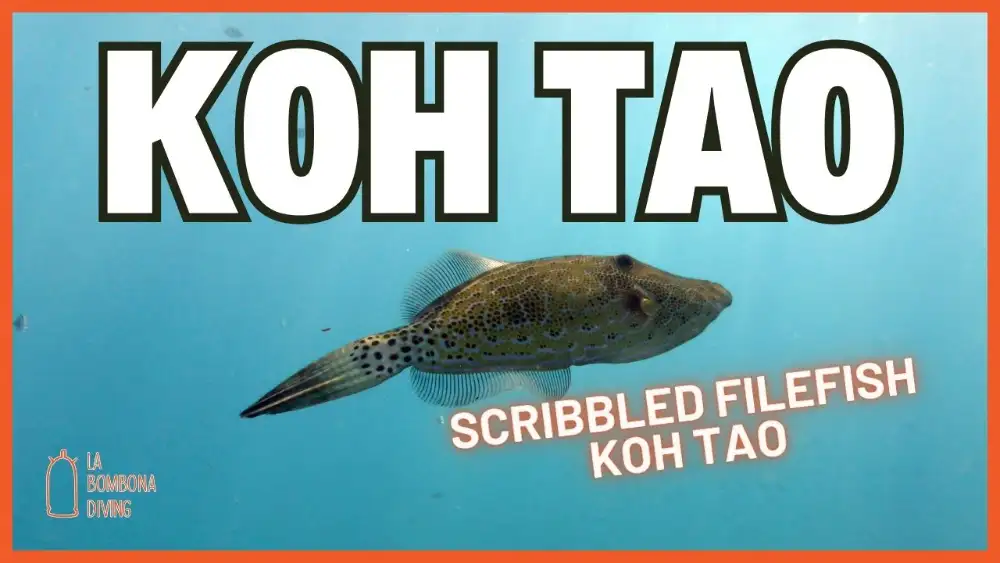
The enigmatic scribbled filefish of Koh Tao — how to identify these living artworks, how they behave, where to find them on the island's dive sites, and the conservation challenges they face.
 Marine Life
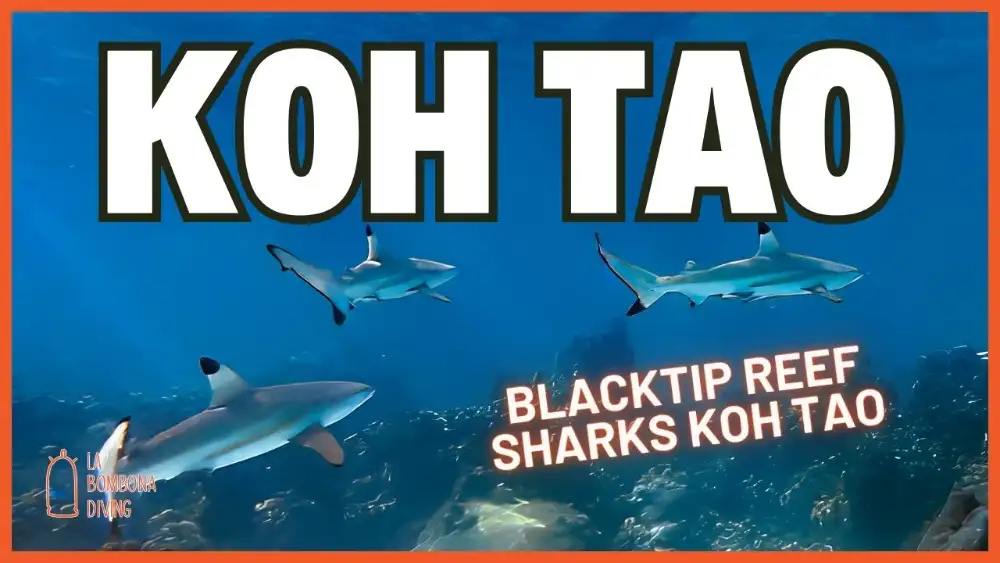
Everything about Koh Tao's blacktip reef sharks — how to identify them, how they behave and hunt, the bays where you can reliably see them, the best time of day, and how to watch them responsibly.
Message us on WhatsApp — courses, fun dives and honest advice about Koh Tao.
Chat on WhatsApp