Being scared to scuba dive is normal. Here are the most common diving fears, breathing techniques, a step-by-step exposure plan and what to do if you panic underwater.
19 April 2025 · updated 27 February 2026 · by Bryan Roseman
In short. Being scared to SCUBA dive is completely normal and absolutely conquerable. Fear of the unknown underwater environment affects up to 80% of new divers, but with proper preparation, gradual exposure and professional guidance, you can transform that fear into excitement. This guide provides proven techniques, a personal action plan and expert support to help you confidently take your first breaths underwater.
Feeling scared to SCUBA dive doesn’t make you weak or unsuited for underwater exploration – it makes you human. The vast ocean, unfamiliar equipment and mysteries beneath the surface naturally trigger our survival instincts. However, millions of divers worldwide have successfully overcome these exact fears to experience the incredible beauty and tranquillity of the underwater world.
Fear often stems from the unknown, and knowledge is the most powerful antidote to diving anxiety. By understanding what causes your specific concerns and implementing proven techniques to address them, you can build the confidence needed to safely enjoy one of the world’s most rewarding activities.
Recognising and acknowledging your fears is the first crucial step in overcoming them. When you’re scared to SCUBA dive, your brain is actually trying to protect you by alerting you to potential dangers. This evolutionary response served our ancestors well, but in modern SCUBA diving with proper training and equipment, these fears are often based on misconceptions rather than real risks.
Understanding your specific fears helps create a targeted approach to overcoming them. Answer honestly – the more “anxious” answers you give, the more slowly you should plan your progression:
Anxiety about breathing underwater and losing access to air. Modern SCUBA equipment provides multiple safety redundancies and your training teaches you how to handle any breathing emergency safely.
Worry about dangerous sea creatures attacking. In reality, most marine animals are harmless and actively avoid human contact. Shark attacks on divers are extremely rare.
Concern about SCUBA gear malfunctioning underwater. Professional dive centres maintain equipment rigorously, and your training covers emergency procedures for any equipment issues.
Anxiety about the vast, mysterious underwater environment. Knowledge and gradual exposure help transform this fear into wonder and excitement about underwater exploration.
Worry about pressure changes and being far from the surface. Beginner dives start in shallow water, and you learn to equalise pressure safely as you gradually go deeper.
Worry about panicking underwater and being unable to cope. Professional instructors are trained to recognise and manage panic situations, and breathing techniques help maintain calm.
Note. Why being scared to SCUBA dive is actually beneficial: a healthy level of fear keeps you alert and cautious, which is actually beneficial for diving safety. The key is transforming overwhelming fear into respectful awareness. This natural caution will make you a more careful, safety-conscious diver who always follows proper procedures.
When you’re scared to SCUBA dive, implementing specific techniques can help you build confidence gradually and safely. These proven methods address both the mental and physical aspects of diving anxiety, helping you develop the skills and mindset needed for comfortable underwater exploration.
Practise this technique daily to build confidence and reduce anxiety before diving:
Tip. Underwater breathing benefits: proper breathing technique not only reduces anxiety but also conserves your air supply, allowing longer, more enjoyable dives. Slow, controlled breathing also helps with buoyancy control and makes you a more efficient diver overall.
Follow this progressive plan to gradually build confidence and overcome your fear of SCUBA diving:
Mental preparation is just as important as physical training when you’re scared to SCUBA dive. Visualisation techniques help your brain become familiar with diving scenarios before you actually experience them, reducing anxiety and building confidence.
Use this checklist to monitor your progress and celebrate each milestone:
Professional instruction is absolutely crucial when you’re scared to SCUBA dive. Qualified instructors have extensive experience helping nervous beginners overcome their fears safely. They understand the psychology of diving anxiety and can adapt their teaching methods to your specific needs and pace.
Being scared to SCUBA dive is much easier to overcome when you have support from experienced divers and fellow beginners:
Even with preparation, you might still feel overwhelmed during your first dives. Knowing how to handle panic is crucial for anyone who’s scared to SCUBA dive. Remember, panic is manageable with the right techniques and support.
Warning. Panic response protocol – if you feel panic underwater:
- Stop all movement and focus on slow, deep breathing
- Signal your dive buddy or instructor immediately
- Remember that you can always ascend safely to the surface
- Use your training – you know how to handle this situation
- Stay calm and let your support team help you
Ready to conquer your fear with expert support? La Bombona Diving specialises in helping nervous beginners overcome their fears and become confident divers. Our instructors know that being scared to SCUBA dive is completely normal, and we offer patient, personalised instruction at your own pace in the safe, warm waters of Koh Tao. The best place to start is our Try Dive (2,500 ฿, optional second dive 1,000 ฿) – perfect for testing your comfort level before committing to a full course. Planning your trip? Learn how to get to Koh Tao from anywhere in Thailand and discover why this island has become the world’s diving certification capital.
Everyone’s journey from being scared to SCUBA dive to feeling confident underwater is different. However, most nervous beginners follow a predictable timeline when they receive proper support and training.
Tip. Remember: progress isn’t always linear. Some days you might feel more confident than others, and that’s completely normal. Don’t be discouraged by temporary setbacks. Consistent practice and patience with yourself are key to overcoming your fear of SCUBA diving permanently.
Once you’ve conquered your initial fear and completed your certification, continuing to build confidence ensures you’ll always enjoy diving. The goal is transforming from someone who was scared to SCUBA dive into a confident, enthusiastic underwater explorer.
Being scared to SCUBA dive is a natural, intelligent response to unfamiliar challenges. Your brain is designed to be cautious about new environments that could potentially be dangerous. However, with modern equipment, professional training and gradual exposure, SCUBA diving is statistically safer than many everyday activities.
The underwater world offers experiences that simply cannot be replicated anywhere else on Earth. Swimming alongside sea turtles, exploring colourful coral reefs and experiencing the peaceful silence of the underwater realm are rewards that await those brave enough to overcome their initial fears.
Remember that every confident diver you see was once exactly where you are now – nervous, uncertain, but curious about what lies beneath the surface. With patience, proper training and the right support system, you too can transform from someone who’s scared to SCUBA dive into a confident underwater explorer.
Take the first step today. Your underwater adventure is waiting, and conquering this fear will build confidence that extends far beyond diving into every area of your life.
Absolutely. Many certified divers still feel nervous before challenging dives or when trying new dive sites. This healthy respect for the ocean actually makes you a safer diver. The key is not letting fear prevent you from diving, but using it to maintain proper safety awareness.
Most people see significant improvement within 4–8 weeks of consistent practice and training. However, everyone progresses at their own pace. Some feel comfortable after just a few pool sessions, while others need multiple ocean dives to build confidence. Patient, gradual exposure is more effective than rushing the process.
Panic during training is common and instructors are experienced in handling these situations. Your instructor will help you surface safely, discuss what triggered the panic, and work with you to address those specific concerns. Many successful divers experienced panic during their early training.
You should never take anti-anxiety medication before diving without medical clearance, as many medications can affect your ability to think clearly underwater. Instead, focus on breathing techniques, gradual exposure and professional instruction. If anxiety is severe, consult a diving medicine physician for guidance.
The certification agency matters less than the quality of instruction and the instructor's experience with nervous beginners. All major agencies (PADI, SSI, RAID) teach the same fundamental safety skills. Choose based on the instructor's patience and ability to work with your specific fears rather than the certification type.
Start with snorkelling in shallow, calm water to get comfortable with breathing through a mask. Practise breathing exercises daily on land. Then try SCUBA equipment in a pool or confined water where you can stand up. Gradual exposure in controlled environments builds confidence more effectively than jumping straight into ocean diving. Consider timing your visit during optimal diving conditions for the calmest possible introduction to ocean diving.
More in Diving Tips
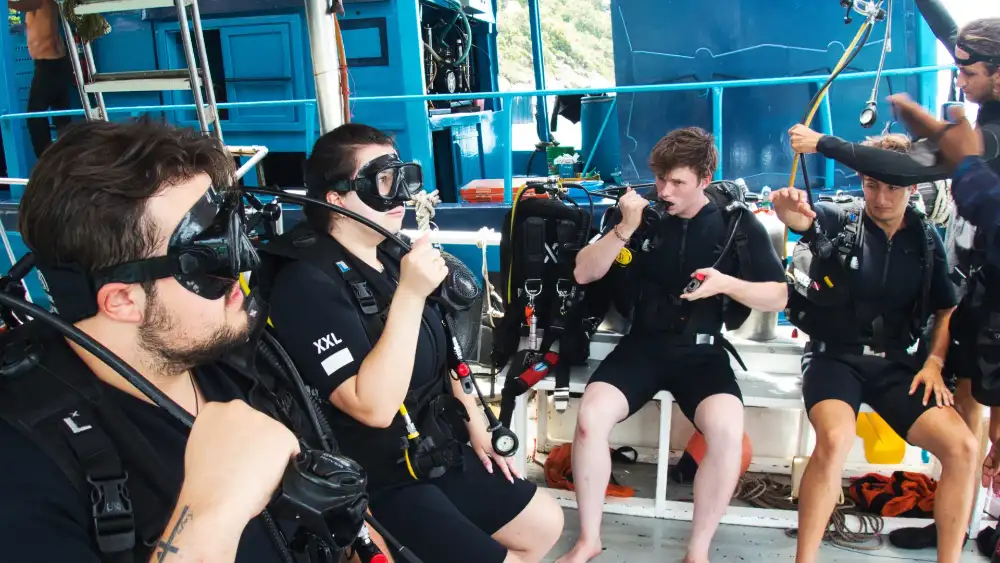 Diving Tips
Depth, breathing, training, safety, equipment and cost compared side by side, so you can decide whether a snorkel afternoon, a Try Dive or a full Open Water course is the right fit for your Koh Tao trip.
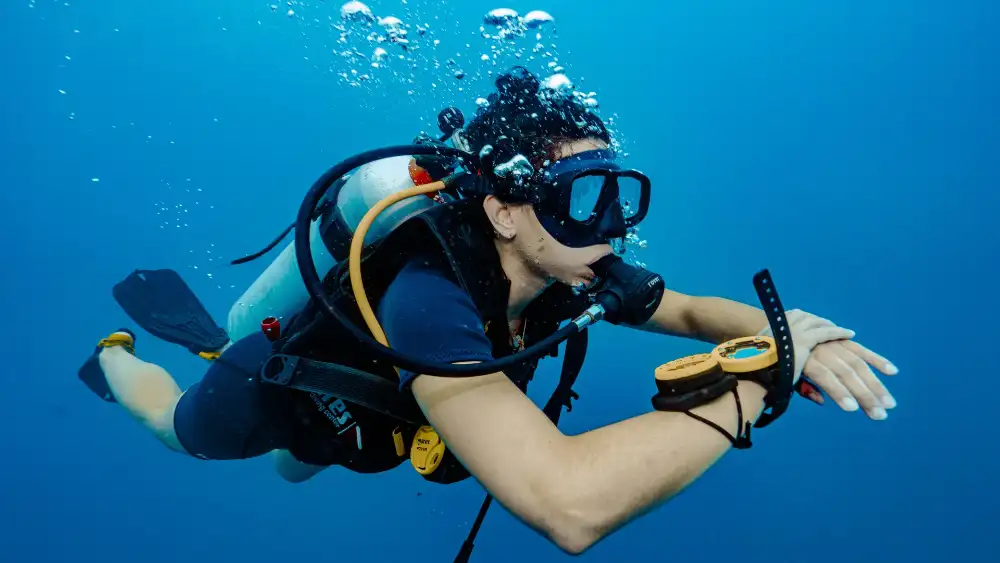 Diving Tips
An Open Water course in Koh Tao usually takes three to four days — but the advertised number of days tells only part of the story. Here is what actually fills those days, why schedules differ between dive schools, and how to plan your stay around the course.
 Diving Tips
PADI, RAID and SSI compared across the whole training pathway — Open Water, advanced, rescue, specialities, Divemaster, instructor and technical — plus what actually decides the quality of your course in Koh Tao.
Message us on WhatsApp — courses, fun dives and honest advice about Koh Tao.
Chat on WhatsApp