Where to find yellow boxfish at Koh Tao dive sites like White Rock, Twins and Japanese Gardens, how they behave, what they eat and how to observe and photograph them responsibly.
7 May 2025 · updated 27 February 2026 · by Bryan Roseman
In short. Yellow boxfish in Koh Tao are distinctive cube-shaped fish with bright yellow colouring and black spots that can be found at popular dive sites like White Rock and Twins. These fascinating creatures use toxic defence mechanisms to protect themselves and play crucial roles in maintaining coral reef health through their feeding habits and position in the marine food chain.
Yellow boxfish are one of the most unique and captivating marine species you’ll encounter while diving in Koh Tao’s waters. Their distinctive box-like shape, brilliant yellow colouration with black speckles, and fascinating behavioural patterns make them a favourite among underwater photographers and marine life enthusiasts visiting Thailand’s diving capital.
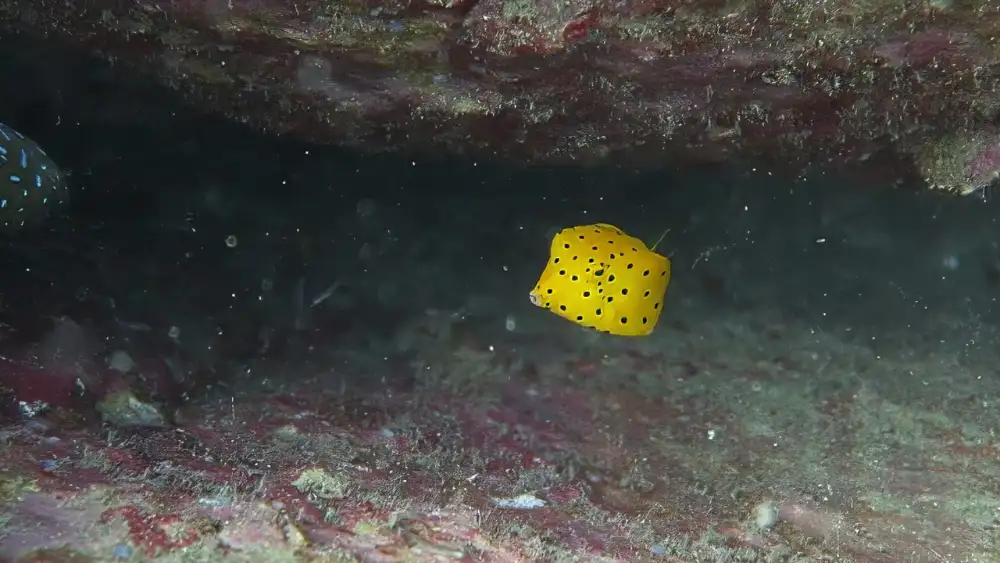
These remarkable fish combine striking visual appeal with complex biological adaptations that have helped them thrive in Southeast Asian waters for millions of years. Understanding their behaviour, habitat preferences and ecological importance enhances your diving experience while promoting responsible marine observation practices.
Yellow boxfish are instantly recognisable by their cube-shaped bodies covered in bright yellow skin with contrasting black spots. Their boxy form isn’t just distinctive — it’s functional armour made of fused bony plates that protect them from predators.
These fish typically explore reefs alone, moving with slow, deliberate motions that conserve energy. Despite their shy nature, they’re naturally curious and may approach motionless divers who respect their space.
When threatened, yellow boxfish release powerful toxins through their skin that can be lethal to nearby fish. This chemical defence mechanism, called ostracitoxin, makes them formidable despite their small size and peaceful demeanour. Learn more about this fascinating adaptation on Wikipedia’s yellow boxfish page.
This pinnacle site offers excellent coral formations with numerous cracks and crevices where yellow boxfish seek shelter. The varied depth levels provide habitat for both juvenile and adult specimens.
Twin pinnacle formations offering diverse depths and coral structures perfect for spotting shy boxfish. The varied topography and abundant marine life create ideal hunting grounds for these unique creatures.
This shallow reef system provides excellent visibility for observing boxfish behaviour. The site’s coral formations offer the perfect hiding spots that boxfish prefer.
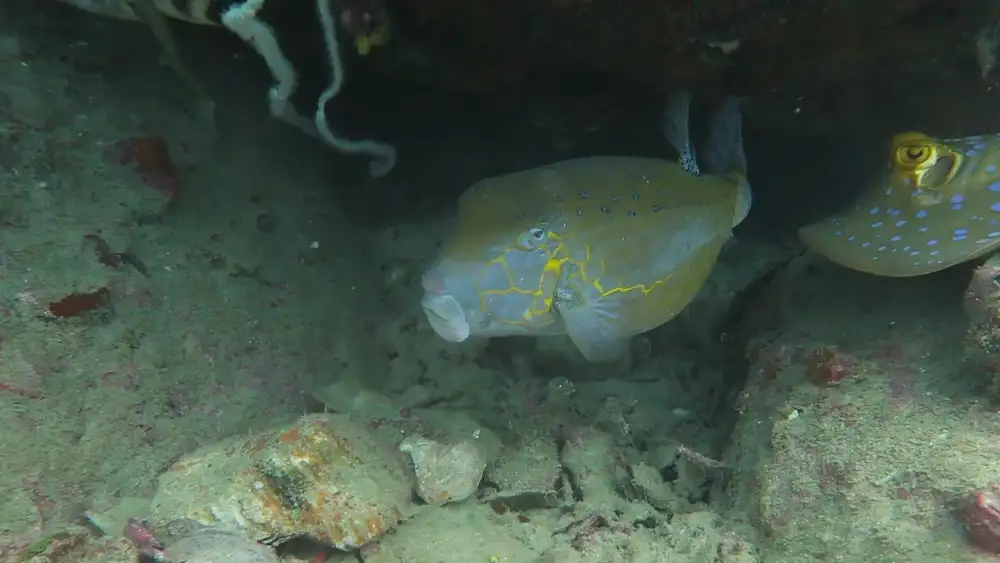
Tip. Spotting tips for divers: yellow boxfish are masters of camouflage despite their bright colours. Look for them in coral crevices, near cleaning stations, and around areas with mixed hard and soft corals. Early morning dives often provide the best opportunities for sightings, when these fish are most active.
Understanding what yellow boxfish eat helps divers predict their behaviour and locate them more effectively. These omnivorous fish play important roles in reef ecosystem maintenance through their varied feeding habits.
| Diet category | Food source | Ecological benefit | Feeding time |
|---|---|---|---|
| Algae | Microalgae and film algae on coral surfaces | Prevents algae overgrowth that can smother corals | Throughout the day |
| Sponges | Small encrusting sponges and sponge fragments | Controls sponge populations, maintains space for coral growth | Early morning |
| Invertebrates | Small worms, crustaceans and molluscs | Population control of small reef invertebrates | Dawn and dusk |
| Organic matter | Detritus and decomposing organic material | Nutrient recycling within the reef ecosystem | Continuous |
Test your understanding of these fascinating creatures with this short quiz (answers below).
1. What is the primary purpose of a yellow boxfish’s boxy shape?
2. When are yellow boxfish most active and easiest to spot?
3. What happens when a yellow boxfish feels threatened?
4. Which dive sites in Koh Tao are best for finding yellow boxfish?
Answers: 1 — protection from predators; 2 — early morning; 3 — it releases toxins through its skin; 4 — coral-rich sites like White Rock and Aow Leuk.
Dive centres promote “look but don’t touch” policies and educate divers about maintaining safe distances from boxfish to prevent stress-induced toxin release.
Coral restoration projects directly benefit yellow boxfish by maintaining and improving the reef habitats they depend on for food and shelter.
Yellow boxfish serve as important indicators of reef health in Koh Tao’s marine ecosystem. Their presence signals a balanced environment with adequate coral cover, clean water conditions and stable food webs. As both predators and prey, they maintain crucial links in the marine food chain that supports the biodiversity that makes Koh Tao diving so spectacular.
Their grazing activities help prevent algae overgrowth that can damage coral reefs, while their waste products contribute essential nutrients that support coral growth and overall reef productivity. This symbiotic relationship demonstrates why protecting individual species like yellow boxfish benefits entire marine ecosystems.
Warning. Important safety reminder: while yellow boxfish toxins pose no direct threat to humans, never attempt to touch or handle these fish. Stress can trigger toxin release that may harm nearby marine life, and disturbing them disrupts the natural feeding and social behaviours essential for their survival.
Ready to encounter these fascinating cube-shaped creatures in their natural habitat? La Bombona Diving’s experienced guides know exactly where and when to find yellow boxfish at Koh Tao’s best dive sites, and will help you spot them while teaching you about their behaviour and ecological importance. Join our fun dives — 2,000 ฿ for 2 dives, morning or afternoon, all equipment included.
Yellow boxfish can be observed year-round in Koh Tao, but the best visibility and most active behaviour occur during the dry season from March to September. Early morning dives often provide the best opportunities, as boxfish are most active during feeding times when natural light is optimal. For detailed seasonal information, check our guide on the best time to dive in Koh Tao.
Yellow boxfish pose no direct threat to humans. While they can release toxins when stressed, this defence mechanism is designed for underwater predators and doesn't affect divers. However, maintaining a respectful distance prevents stress to the fish and ensures the best viewing experience.
Yellow boxfish in Koh Tao are commonly found between 5 and 25 metres, with juveniles preferring shallower coral gardens and adults often found in deeper crevices. This depth range makes them accessible to divers of all certification levels, from Open Water to Advanced.
Approach slowly and keep at least 1–2 metres of distance. Use natural light when possible and avoid flash photography in shallow water. Move deliberately and allow the boxfish to become comfortable with your presence. Patient observation often results in better photo opportunities than aggressive pursuit.
Yellow boxfish are typically solitary creatures that explore reefs independently. Occasionally you might observe pairs during the mating season, but their general behaviour pattern involves solitary foraging and territory maintenance. This solitary nature makes each sighting particularly special for divers.
Yellow boxfish habitats often support diverse marine communities including angelfish, butterflyfish, wrasses and various invertebrates. Their preferred coral-rich environments also attract cleaning stations where you might observe symbiotic relationships between different species. To plan your complete journey to Koh Tao and experience this incredible marine diversity, check our comprehensive travel guide.
More in Marine Life
 Marine Life
From barracuda and trevally to lionfish, cuttlefish, pufferfish, boxfish, moray eels, batfish and sea kraits — a species-by-species guide to the marine life you can meet on Koh Tao's reefs.
 Marine Life
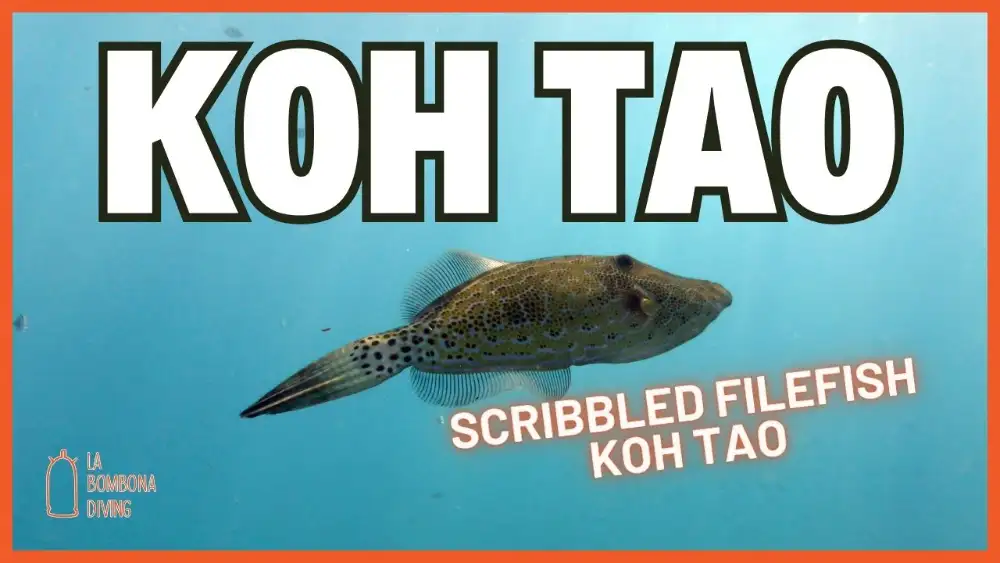
The enigmatic scribbled filefish of Koh Tao — how to identify these living artworks, how they behave, where to find them on the island's dive sites, and the conservation challenges they face.
 Marine Life
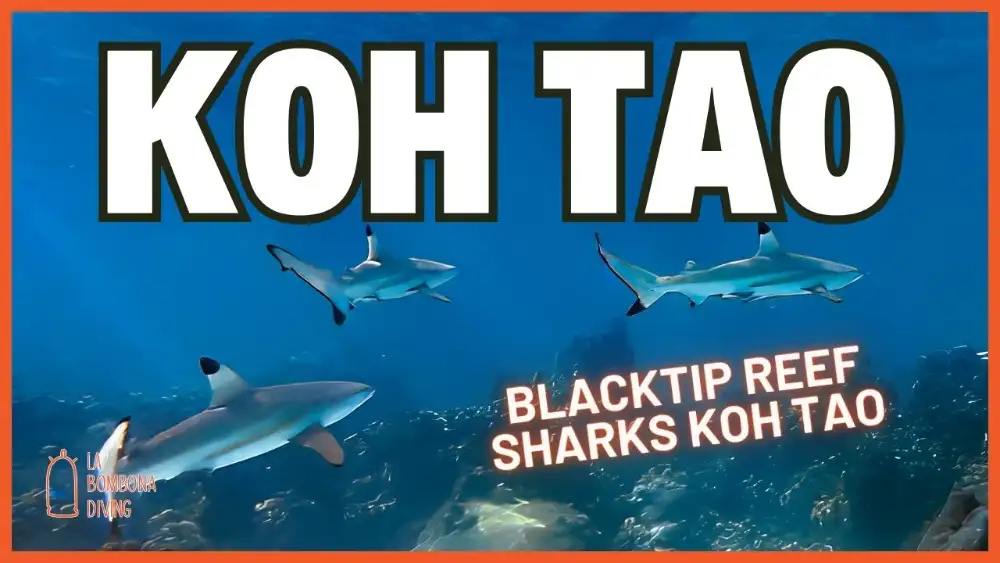
Everything about Koh Tao's blacktip reef sharks — how to identify them, how they behave and hunt, the bays where you can reliably see them, the best time of day, and how to watch them responsibly.
Message us on WhatsApp — courses, fun dives and honest advice about Koh Tao.
Chat on WhatsApp