How and why corals bleach — the coral-algae relationship, the temperature thresholds that break it, what happens to a reef afterwards, and what divers can do to help.
16 April 2025 · updated 27 February 2026 · by Bryan Roseman
In short. Coral bleaching is the process where corals expel their symbiotic algae due to environmental stress, turning white and threatening their survival. The primary cause is increased ocean temperatures from climate change, though pollution, solar irradiance and other stressors also contribute. Understanding coral bleaching is crucial for divers and marine conservation efforts, as these underwater ecosystems support 25% of all marine species despite covering less than 1% of the ocean floor.
For divers exploring the underwater world, understanding what coral bleaching is and why it happens becomes deeply personal when witnessing once-colourful reefs transformed into ghostly white landscapes. This phenomenon represents one of the most serious threats facing marine ecosystems today, affecting not only the beauty that draws divers to destinations like Koh Tao’s waters, but also the very foundation of oceanic biodiversity.
Coral bleaching occurs when environmental stressors force corals to expel zooxanthellae, the symbiotic algae that provide up to 90% of their energy through photosynthesis. This process leaves corals vulnerable, potentially leading to widespread die-offs that can take decades to recover from, if recovery occurs at all.
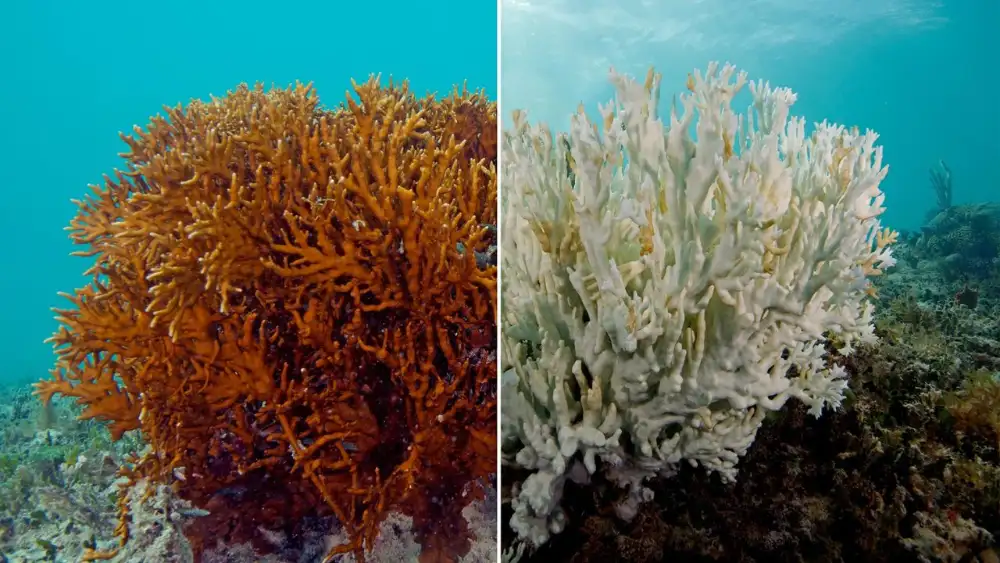
Corals and zooxanthellae maintain one of nature’s most crucial symbiotic relationships. These microscopic algae live within coral tissues, using sunlight to produce organic compounds through photosynthesis. In return, corals provide protection and nutrients for the algae.
This relationship explains why coral reefs are among the most productive ecosystems on Earth, supporting incredible biodiversity in nutrient-poor tropical waters. When marine life depends on these relationships, any disruption can cascade through entire ecosystems.
Ocean temperature increases of just 1–2°C above normal for extended periods trigger mass bleaching events. Climate change has made marine heatwaves more frequent and severe.
Intense sunlight, especially during low tides or clear weather, can overwhelm the algae’s photosynthetic capacity, producing harmful oxygen radicals.
Agricultural runoff, sewage and industrial chemicals increase coral stress levels, making corals more susceptible to bleaching triggers.
Increased CO2 absorption makes the oceans more acidic, weakening coral skeletons and reducing their resilience to other stressors.
While multiple factors contribute to coral bleaching, climate change represents the most significant threat. The Great Barrier Reef experienced unprecedented back-to-back bleaching events in 2016 and 2017, affecting over 90% of the reef system. Such rapid successive bleaching prevents recovery and can lead to permanent ecosystem changes.
Warning: critical temperature thresholds. Corals begin showing stress at temperatures just 1°C above their maximum monthly average. At 2°C above normal, widespread bleaching occurs. Understanding these thresholds helps explain why timing diving trips during optimal conditions becomes increasingly important for experiencing healthy reef ecosystems.
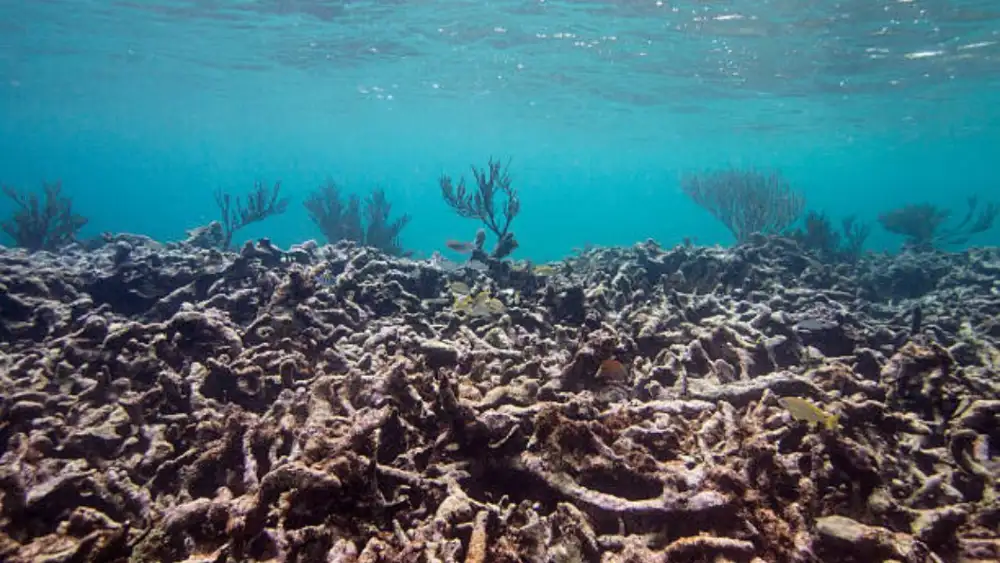
Coral reefs support approximately 25% of all marine species, making bleaching events catastrophic for ocean biodiversity. Fish populations decline dramatically when reef structure deteriorates, affecting everything from local conservation efforts to commercial fisheries.
Coastal communities worldwide depend on coral reefs for:
Reducing greenhouse gas emissions through renewable energy adoption and carbon footprint reduction remains the most critical intervention.
Minimising agricultural runoff, improving sewage treatment and reducing plastic pollution helps build coral resilience.
Responsible diving practices, reef-safe sunscreens and supporting conservation-focused operators protect fragile ecosystems.
Supporting coral gardening, assisted evolution and monitoring programmes develops new conservation techniques.
Every person can contribute to coral conservation through:
For divers specifically, practising proper buoyancy control, avoiding contact with corals and choosing operators committed to marine conservation helps protect the reefs we love to explore.
While coral bleaching presents serious challenges, some coral species demonstrate remarkable resilience. Research has identified heat-tolerant coral varieties and shown that some populations can develop increased temperature tolerance over time. However, the rapid pace of climate change often outpaces natural adaptation rates.
Innovative conservation approaches include:
Success stories from around the world demonstrate that with proper intervention and improved conditions, reefs can recover. However, prevention remains far more effective than restoration, making urgent climate action essential.
Witness the beauty of thriving coral ecosystems while supporting marine conservation in Koh Tao. At La Bombona Diving we’re committed to sustainable diving practices and coral conservation education: our instructors teach proper reef interaction techniques in small groups while sharing what they know about marine ecosystems and local conservation efforts. Join our Open Water course (11,000 ฿, 4 ocean dives over 4 days) and learn to dive responsibly from the very first breath.
Recovery time varies significantly based on bleaching severity and environmental conditions. Minor bleaching events may see recovery within weeks to months if stressors are removed, while severe bleaching can take years or may result in permanent coral death. Some resilient coral species recover faster than others, and successive bleaching events severely reduce recovery chances. Planning visits to healthy reef systems helps support conservation efforts through sustainable tourism.
Yes, coral bleaching can be reversed if environmental stressors are quickly reduced. Corals don't die immediately when they bleach – the process is initially a stress response that can be overcome if water temperatures drop, pollution decreases or other stressors are eliminated. However, prolonged bleaching leads to coral death, making rapid intervention crucial for recovery success.
Some coral species show greater heat tolerance and bleaching resistance, including certain types of brain corals, massive corals and some soft coral species. Research has identified heat-tolerant coral genotypes that maintain their symbiotic relationships at higher temperatures. These resilient species often become the foundation for restoration efforts and natural recovery processes in degraded reef areas.
Coral bleaching dramatically reduces the visual appeal of dive sites, transforming colourful reefs into stark white landscapes. Bleached reefs also support fewer fish species and less marine life, reducing the biodiversity that divers typically expect to encounter. However, understanding bleaching helps divers appreciate healthy reefs more deeply and encourages them to take part in conservation efforts to protect these ecosystems.
Recreational divers can help prevent coral bleaching through responsible diving practices, including maintaining proper buoyancy to avoid coral contact, using reef-safe sunscreens, choosing conservation-focused dive operators, reducing their carbon footprint through sustainable travel choices and supporting marine protected areas. Divers can also take part in citizen science programmes that monitor coral health and contribute to bleaching research and prevention efforts.
More in Marine Life
 Marine Life
From barracuda and trevally to lionfish, cuttlefish, pufferfish, boxfish, moray eels, batfish and sea kraits — a species-by-species guide to the marine life you can meet on Koh Tao's reefs.
 Marine Life
The enigmatic scribbled filefish of Koh Tao — how to identify these living artworks, how they behave, where to find them on the island's dive sites, and the conservation challenges they face.
 Marine Life
Everything about Koh Tao's blacktip reef sharks — how to identify them, how they behave and hunt, the bays where you can reliably see them, the best time of day, and how to watch them responsibly.
Message us on WhatsApp — courses, fun dives and honest advice about Koh Tao.
Chat on WhatsApp