Bluefin, Bigeye, Golden and Gold-spotted trevally — how to tell Koh Tao's four trevally species apart, where and when to see them, how they hunt and school, and how to observe them responsibly.
17 May 2025 · updated 27 February 2026 · by Bryan Roseman
In short. Trevally Koh Tao encounters showcase four impressive species – Bluefin, Bigeye, Golden and Gold-spotted Trevally – each displaying unique characteristics, hunting behaviours and habitat preferences. These powerful predators range from 40–90 cm in length and play crucial ecological roles in maintaining marine ecosystem balance, offering divers spectacular encounters at sites like Chumphon Pinnacle, Sail Rock and Southwest Pinnacle throughout the year.
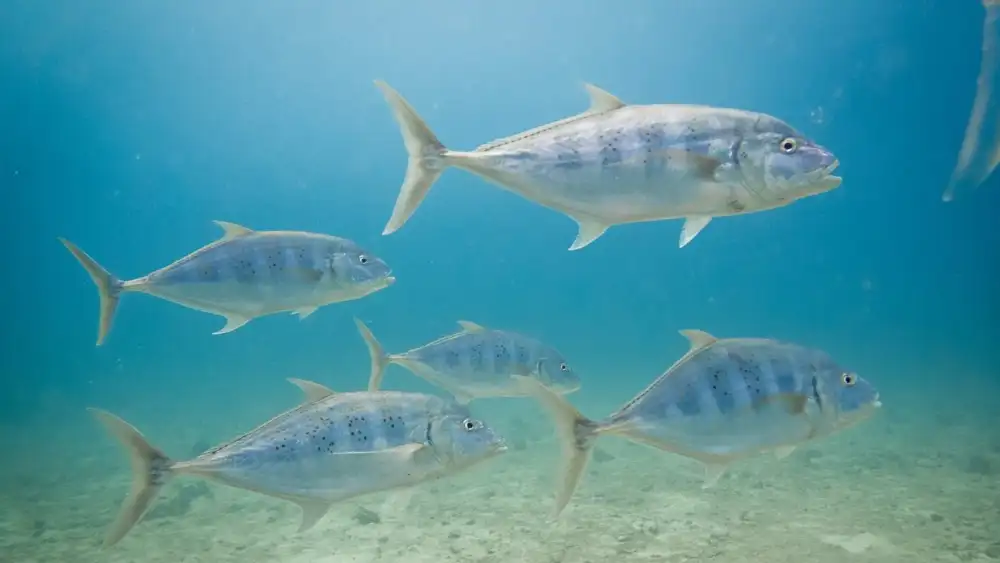
Among the diverse marine life surrounding Koh Tao, few fish command as much respect and admiration as the trevally. These streamlined, powerful members of the jack family (Carangidae) patrol the island’s waters with unmistakable confidence – making trevally Koh Tao encounters some of the most sought-after underwater experiences in Thailand.
Understanding trevally Koh Tao behaviour patterns and habitats significantly enhances your diving experience around Thailand’s diving capital. These remarkable fish contribute significantly to the underwater spectacle that draws thousands of divers annually, with each trevally species fulfilling essential ecological roles in maintaining the delicate balance of coral reef ecosystems. To fully appreciate these encounters, understanding Koh Tao’s diverse marine life provides valuable context for trevally behaviour and habitat preferences.
| Species | Size range | Key features | Best locations | Behaviour |
|---|---|---|---|---|
| Bluefin Trevally Caranx melampygus | 60–80 cm | Silvery-blue with dark spots, powerful build | Chumphon Pinnacle, Southwest Pinnacle, White Rock | Solitary or small groups, curious toward divers |
| Bigeye Trevally Caranx sexfasciatus | 60–90 cm | Large eyes, silver-blue, black gill spot | Sail Rock (massive schools), Chumphon Pinnacle | Spectacular schooling behaviour |
| Golden Trevally Gnathanodon speciosus | 40–70 cm | Brilliant yellow-gold, pointed snout | Most dive sites, shallow reef areas | Associates with larger animals, cleaning behaviour |
| Gold-spotted Trevally Carangoides fulvoguttatus | 50–70 cm | Silver with distinctive yellow spots | All dive sites, particularly reef territories | Small territorial groups, versatile feeding |
To pick the right dive for a trevally encounter, think about three things and then check the “Best Viewing Times and Locations” section below:
Size: 60–80 cm around Koh Tao
Perhaps the most visually striking of Koh Tao’s trevally species, Bluefin Trevally combine predatory power with remarkable beauty. Their silvery to bluish-grey colouration is overlaid with scattered dark spots, concentrated on the upper body.
Key features:
Bluefin Trevally display fascinating behavioural patterns combining solitary hunting with social interaction. They often form small hunting groups of 3–8 individuals when corralling schools of smaller fish.
Hunting characteristics:
Among Koh Tao’s impressive trevally line-up, the Bigeye Trevally stands out for its remarkable schooling behaviour and distinctive large eyes – an adaptation enhancing vision in low-light conditions. Reaching 60–90 cm around Koh Tao, these impressive fish display predominantly silver to bluish-grey colouration with darker blue-black shading along the upper back.
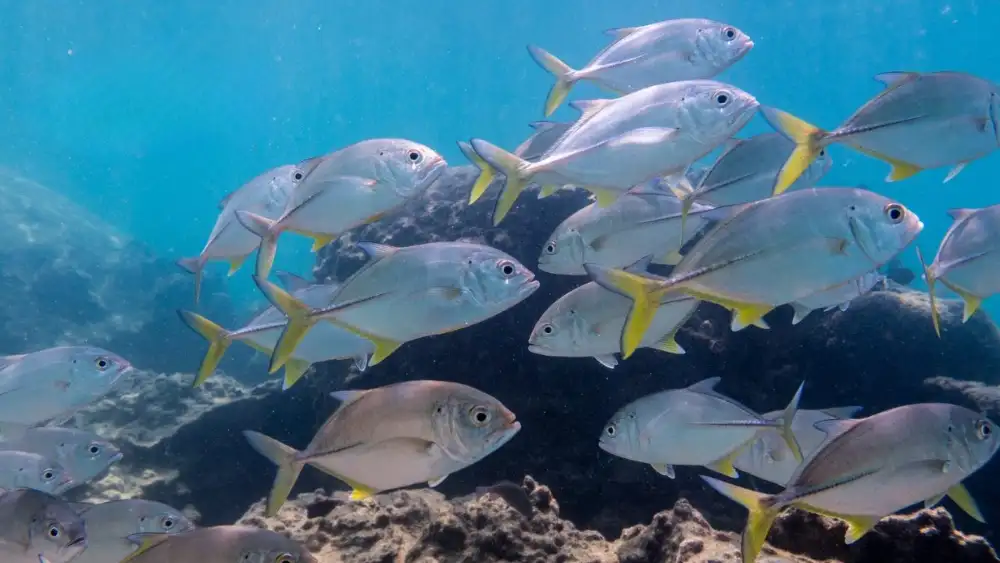
Golden Trevally stand out for both their striking golden-yellow appearance and unique ecological relationships. Typically reaching 40–70 cm around Koh Tao, these beautiful fish combine predatory prowess with cleaning behaviours that create fascinating inter-species interactions.
Juveniles display brilliant yellow colouration with distinctive black vertical bands that fade as they mature. Their specialised pointed snout structure relates to their feeding strategies, allowing effective probing of sand and substrate for buried prey.
Can you identify these trevally species based on their characteristics? Test your underwater identification skills:
Answers: 1. Bigeye Trevally · 2. Golden Trevally · 3. Bluefin Trevally · 4. Sail Rock.
Completing Koh Tao’s diverse trevally line-up, the Gold-spotted Trevally adds a distinctively patterned member to the family. Instantly recognisable by their scattering of bright yellow to golden spots adorning silvery bodies, these elegant predators typically reach 50–70 cm around Koh Tao.
Their body profile is more elongated and less deeply compressed than other trevally species, giving them a sleeker appearance. The distinctive spotted pattern creates an almost jewel-like appearance, particularly when sunlight illuminates their flanks during shallow reef patrols.
Tip. Gold-spotted Trevally photograph beautifully when backlit by natural sunlight filtering through shallow water. Their spotted pattern becomes dramatically enhanced, creating stunning contrast against the blue water background. The best photography opportunities occur at sites with good natural lighting between 10–20 metres depth.
Understanding when and where to encounter each trevally Koh Tao species significantly enhances your diving experience around Thailand’s premier diving destination. The March to September period generally provides more consistent trevally encounters, coinciding with calmer sea conditions that make offshore sites more accessible. For detailed seasonal information, check our guide on the best time to dive Koh Tao.
Early morning dives (6:30–8:00 AM) offer the highest probability of trevally Koh Tao sightings, particularly for Bluefin Trevally at deeper offshore sites. Bigeye Trevally schools are most spectacular during dawn and late afternoon transitions, when their synchronised movements create the most dramatic underwater displays around Koh Tao’s pinnacles.
Despite their impressive adaptations, trevally species around Koh Tao face several conservation challenges, including fishing pressure, habitat degradation from coral bleaching, tourism impact and prey depletion. Their relatively slow growth and delayed sexual maturity make them vulnerable to overfishing.
Positive developments: Koh Tao’s status as a premier dive destination creates economic incentives for marine protection, with healthy fish populations far more valuable for sustained tourism than as fishing targets. Learn more about ongoing marine conservation efforts in Koh Tao.
Warning. Responsible observation guidelines: when encountering trevally species, maintain respectful distances and avoid rapid movements that might disrupt their natural behaviours. Never attempt to touch or feed these wild predators. Flash photography should be used sparingly to avoid stressing schooling formations, particularly with Bigeye Trevally aggregations.
Ready to encounter these silver hunters in their natural habitat? La Bombona Diving runs guided trips to Koh Tao’s premier trevally sites with divemasters who know these predators’ behaviour and habitats. Our Sail Rock trip — 2,800 ฿ for 2 dives at Thailand’s most famous pinnacle, every Friday — gives you the highest probability of witnessing the spectacular Bigeye Trevally tornado formations.
Capturing or simply observing trevally species requires understanding their behaviour patterns and respecting their natural movements. These powerful predators are sensitive to rapid changes in their environment, including the presence of divers.
The key to memorable trevally encounters lies in patient, respectful observation. These intelligent predators often display different behaviours when divers remain calm and predictable in their movements. Bluefin Trevally, in particular, may approach quite closely if divers avoid rapid movements or direct pursuit.
Trevally species serve as crucial apex predators in Koh Tao’s marine ecosystems, helping maintain the balance of smaller fish populations. Their presence indicates healthy reef systems, as these predators require abundant prey and clean water conditions to thrive. To understand their role within the broader ecosystem, explore our comprehensive guide to marine life around Koh Tao.
As predators of smaller reef fish, trevally help prevent overgrazing of algae-eating fish, indirectly supporting coral health. Their hunting activities also redistribute nutrients throughout the reef system, contributing to overall ecosystem productivity.
The economic value of healthy trevally populations extends far beyond their intrinsic ecological worth. These magnificent fish represent one of the primary attractions drawing thousands of divers to Koh Tao annually, supporting local tourism economies while providing living proof that marine conservation efforts create lasting benefits for both wildlife and human communities.
Protecting trevally Koh Tao populations requires continued commitment to marine conservation initiatives. Current efforts include:
The future of these magnificent silver hunters depends on continued cooperation between dive operators, tourists, researchers and local communities. Every respectful trevally Koh Tao encounter contributes to a growing understanding of these remarkable predators while supporting the economic incentives that make their protection possible.
By choosing responsible dive operators and following established guidelines for marine life observation, visitors to Koh Tao become part of the conservation solution, ensuring that future generations will continue to experience the thrill of trevally Koh Tao encounters in their natural habitat.
Trevally Koh Tao encounters are exceptional due to the island's unique combination of diverse species, consistent sightings and accessible dive sites. Koh Tao hosts four distinct trevally species that can be easily identified through key differences. The island's protected marine environment and excellent visibility create ideal conditions for observing these magnificent predators year-round, with sites like Sail Rock offering some of the world's most spectacular Bigeye Trevally schooling displays.
The most spectacular trevally Koh Tao encounters occur during early morning dives (6:30–8:00 AM) at sites like Sail Rock for Bigeye Trevally schools and Chumphon Pinnacle for various species. The March to September period provides the most consistent trevally Koh Tao sightings due to calmer sea conditions and excellent visibility. Bigeye Trevally schools are particularly impressive during dawn transitions, when they form tight, swirling formations.
Trevally Koh Tao encounters are completely safe for humans. Despite their impressive predatory adaptations, all trevally species naturally feed on much smaller prey (typically 10–30 cm fish and invertebrates) and display no aggressive behaviour toward humans. They may show curiosity, particularly Bluefin Trevally, but this should be respected with appropriate distance for the best trevally Koh Tao experience.
Koh Tao supports both resident and seasonally transient trevally populations depending on the species. Golden and Gold-spotted Trevally tend to be more resident, while Bluefin and Bigeye Trevally may show more seasonal movement patterns. All species can be encountered year-round, with the clearest waters and best visibility occurring between March and September.
Trevally populations face several climate-related challenges, including rising sea temperatures affecting prey distribution, coral bleaching degrading reef habitats, and changes in ocean chemistry impacting their food sources. However, their mobility and adaptability make them more resilient than some marine species. Koh Tao's conservation efforts focus on enhancing ecosystem resilience through protected areas and coral restoration projects.
While Golden and Gold-spotted Trevally can be seen by Open Water divers at most sites, the most spectacular trevally Koh Tao encounters often occur at deeper sites like Chumphon Pinnacle and Sail Rock. Advanced Open Water certification opens access to these premier trevally Koh Tao locations, where the largest schools and most impressive individual specimens are typically found. However, excellent trevally encounters are possible at all certification levels.
More in Marine Life
 Marine Life
From barracuda and trevally to lionfish, cuttlefish, pufferfish, boxfish, moray eels, batfish and sea kraits — a species-by-species guide to the marine life you can meet on Koh Tao's reefs.
 Marine Life
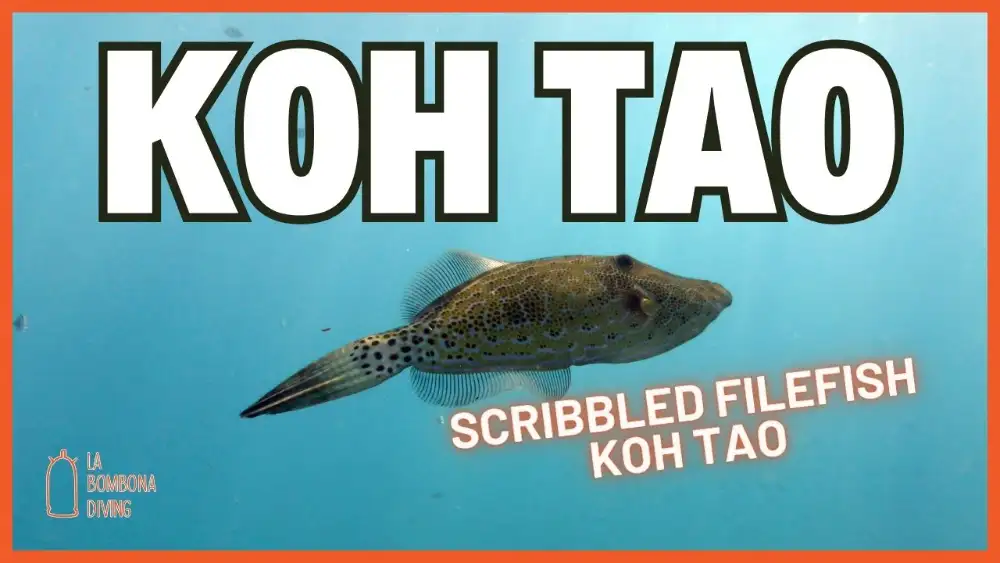
The enigmatic scribbled filefish of Koh Tao — how to identify these living artworks, how they behave, where to find them on the island's dive sites, and the conservation challenges they face.
 Marine Life
Everything about Koh Tao's blacktip reef sharks — how to identify them, how they behave and hunt, the bays where you can reliably see them, the best time of day, and how to watch them responsibly.
Message us on WhatsApp — courses, fun dives and honest advice about Koh Tao.
Chat on WhatsApp