Whale sharks, blacktip reef sharks, blue-spotted rays, sea turtles and the coral reefs that hold it all together — the species of Koh Tao, where to find them and when.
18 April 2025 · updated 27 February 2026 · by Bryan Roseman
In short. Coral reefs cover only 0.5% of the ocean floor yet support over 25% of the world’s marine species — and Koh Tao is one of the best places to see why. This Thai diving paradise hosts whale sharks, blacktip reef sharks, blue-spotted ribbontail rays, sea turtles and vibrant coral ecosystems across world-class dive sites like Chumphon Pinnacle, Sail Rock and Japanese Gardens.
Understanding Koh Tao marine life reveals why this small Thai island has become the world’s premier diving destination. The incredible biodiversity surrounding this Gulf of Thailand gem creates an underwater paradise where beginners and experienced divers alike can encounter everything from gentle whale sharks to colourful reef fish in their natural habitat. Planning your visit to experience this remarkable marine ecosystem and learning about specific species behaviour requires understanding both the species and the seasonal patterns.
This comprehensive guide explores the remarkable marine ecosystem that makes Koh Tao a bucket-list destination for underwater enthusiasts worldwide. Whether you’re planning your journey to the island or already here, understanding the marine life enhances every underwater experience.
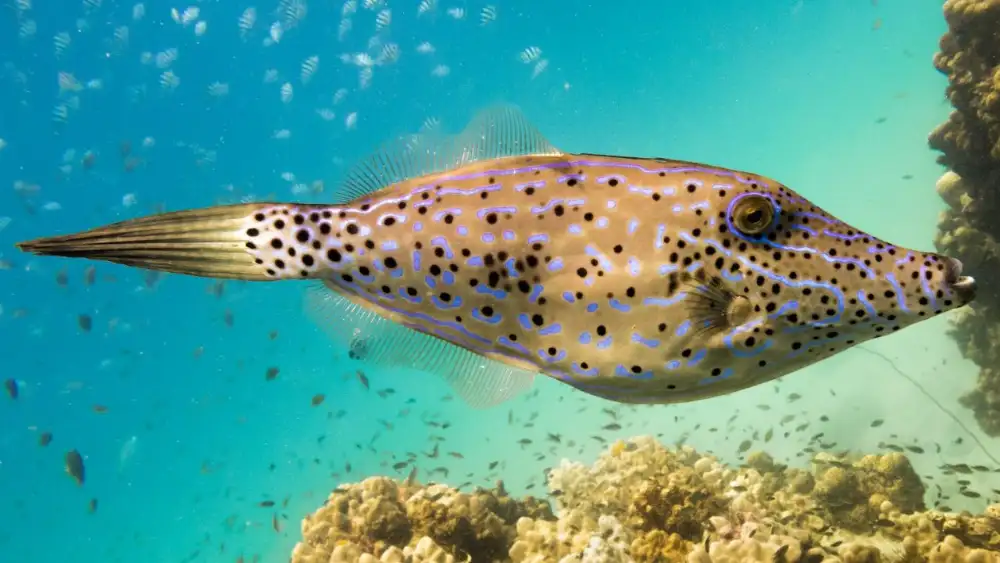
The exceptional nature of Koh Tao marine life stems from its unique geographical position and thriving coral reef ecosystems. These reefs serve as underwater cities, providing shelter, food and breeding grounds for an astonishing variety of species.
The nutrient-rich waters surrounding Koh Tao create perfect conditions for marine biodiversity to flourish. Seasonal upwelling brings nutrients from deeper waters, supporting the entire food chain from microscopic plankton to massive whale sharks.
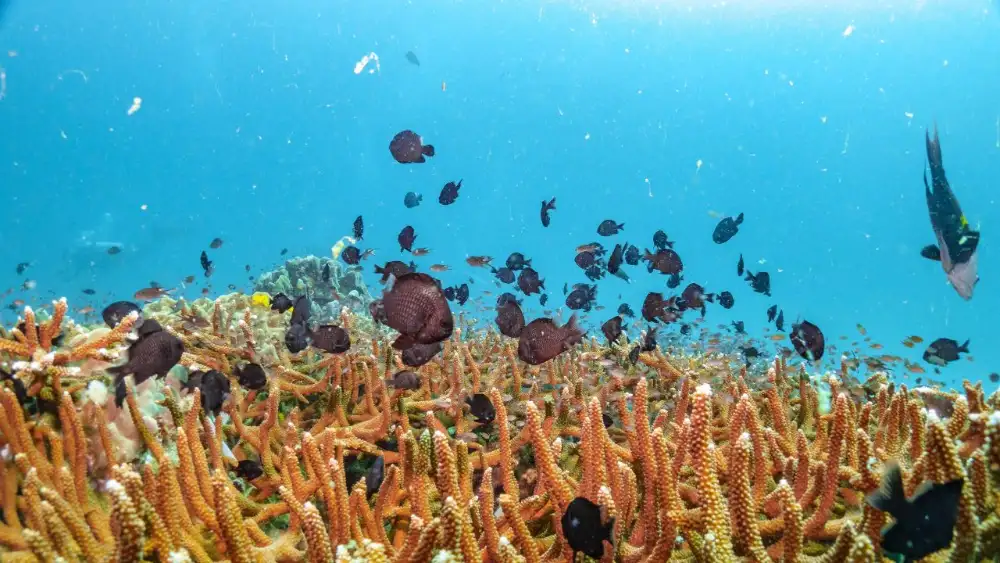
Koh Tao’s coral reefs form the backbone of its marine ecosystem. These living structures support complex relationships between hundreds of species, creating a delicate balance that has evolved over thousands of years. Hard corals provide the structural foundation, while soft corals add colour and movement to the underwater landscape.
Best viewing: March–May, September–October
Prime locations: Chumphon Pinnacle, Sail Rock, Southwest Pinnacle
The gentle giants of Koh Tao marine life, whale sharks represent the pinnacle of diving experiences. These harmless filter-feeders can reach 12 metres in length and are frequently spotted feeding on plankton in the warm waters around the island’s signature dive sites.
Best viewing: Year-round
Prime locations: Aow Leuk, Shark Bay, Hin Sai Daeng
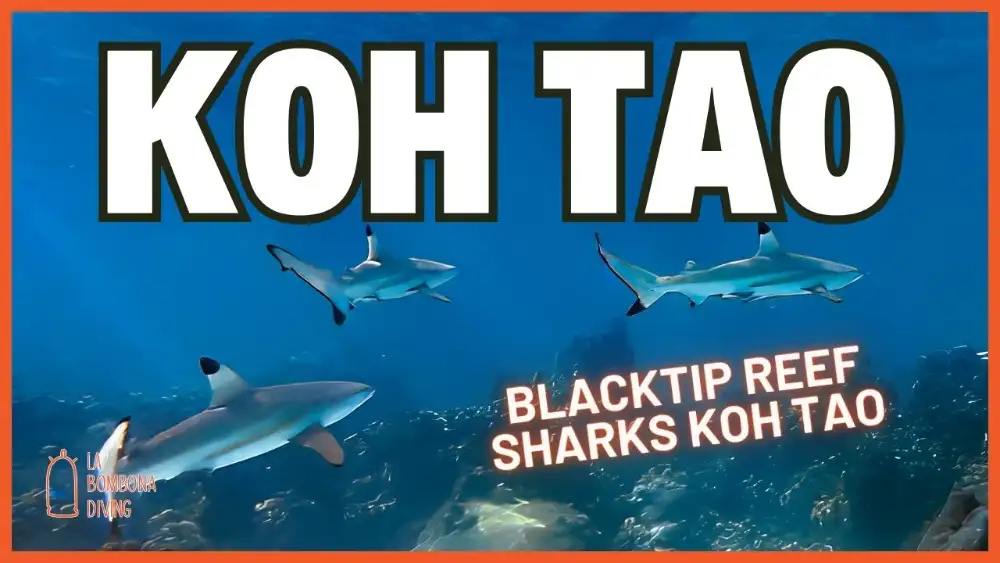
Essential to Koh Tao marine life, blacktip reef sharks frequent shallow nursery areas where young sharks grow safely. These timid predators, easily identified by their distinctive black fin tips, are often encountered by snorkellers in bay areas.
Best viewing: Year-round
Prime locations: Japanese Gardens, White Rock, Mango Bay
Among the most beautiful Koh Tao marine life species, these rays display vibrant blue spots on yellow-brown bodies with distinctive blue tail stripes. They’re commonly found resting on sandy patches between coral formations, hunting for small crustaceans and molluscs.
Best viewing: Year-round
Prime locations: Green Rock, Twins, Japanese Gardens
Critical to Koh Tao marine life conservation, both green and hawksbill sea turtles frequent the island’s waters. These ancient mariners feed on seagrass beds and rest among coral formations, often allowing close observation by respectful divers.
Nesting season: April–June (territorial behaviour)
Prime locations: Most dive sites
Prominent in Koh Tao marine life, titan triggerfish are large, assertive fish with powerful jaws. During nesting season, females become highly territorial and may aggressively defend their sandy-bottom nests from perceived threats.
Occurrence: Occasional, less frequent than on neighbouring islands
Precautions: Most common after rain in calm bays
While part of Koh Tao marine life, box jellyfish sightings are relatively rare compared to Koh Phangan or Koh Samui. However, awareness and preparation with vinegar for first aid remain important for water activities.
| Dive Site | Difficulty Level | Signature Marine Life | Best For | Maximum Depth |
|---|---|---|---|---|
| Sail Rock | Advanced | Whale sharks, schools of barracuda, giant groupers | Pelagic species encounters | 40 m+ |
| Chumphon Pinnacle | Intermediate | Whale sharks, trevally, big schools of fusilier | Big fish encounters | 32 m |
| Japanese Gardens | Beginner | Blue-spotted rays, angelfish, butterflyfish | Coral reef biodiversity | 12 m |
| Green Rock | Intermediate | Sea turtles, groupers, moray eels | Turtle encounters | 20 m |
| Shark Bay | Beginner | Blacktip reef sharks, juvenile fish | Shark nursery observation | 8 m |
| HTMS Sattakut Wreck | Advanced | Lionfish, groupers, artificial reef species | Wreck diving exploration | 30 m |
Understanding seasonal patterns helps maximise your Koh Tao marine life experiences. Learn more about optimal diving conditions throughout the year:
| Jan | Feb | Mar | Apr | May | Jun | Jul | Aug | Sep | Oct | Nov | Dec |
|---|---|---|---|---|---|---|---|---|---|---|---|
| Good | Good | Whale sharks | Whale sharks | Whale sharks | Variable | Variable | Variable | Whale sharks | Whale sharks | Good | Good |
Peak whale shark season: March–May and September–October offer the highest probability of whale shark encounters.
Triggerfish nesting: April–June requires extra caution around titan triggerfish territory.
Best visibility: January–March typically provides the clearest water conditions.
Responsible interaction with Koh Tao marine life ensures these ecosystems remain healthy for future divers and marine species alike. Every action underwater contributes to conservation success. Learn more about local conservation efforts and how you can participate.
Warning. Marine life safety considerations: while Koh Tao marine life is generally harmless, certain species require respectful distances. Titan triggerfish during nesting season, box jellyfish after heavy rains and sea urchins in shallow areas need particular awareness. Always dive with certified professionals who understand local marine behaviour patterns.
Beyond the commonly encountered species, Koh Tao marine life includes several rare and unique creatures that make special appearances:
Ready to witness the incredible diversity of Koh Tao marine life first-hand? La Bombona Diving offers guided experiences to encounter whale sharks, sea turtles and vibrant coral ecosystems safely and responsibly, in small groups with guides who know the local reefs. Beginners can start with a Try Dive (2,500 ฿), and certified divers can explore several sites on our fun dives (2,000 ฿ for two dives).
Koh Tao marine life benefits from a unique geographic position where the Gulf of Thailand creates perfect conditions for biodiversity. The island's coral reefs, despite covering only 0.5% of the ocean floor, support 25% of marine species thanks to nutrient-rich waters, varied depths and protected bay systems that serve as nurseries for juvenile species.
Whale shark encounters in Koh Tao peak during March–May and September–October. During these months, plankton blooms attract these gentle giants to feeding areas around Chumphon Pinnacle, Sail Rock and Southwest Pinnacle. Early-morning dives typically offer the best chances for encounters.
Most Koh Tao marine life poses no threat to humans. However, divers should be aware of titan triggerfish during nesting season (April–June), occasional box jellyfish after heavy rains and sea urchins in shallow areas. All species are generally harmless when observed respectfully from appropriate distances with proper guidance.
Absolutely. Koh Tao marine life is accessible to all skill levels. Shallow sites like Japanese Gardens and Mango Bay offer perfect conditions for beginners to experience colourful reef fish, rays and coral formations safely. Try dive programmes specifically introduce non-divers to marine life in controlled environments with professional supervision.
Support Koh Tao marine life conservation by choosing operators with environmental certifications, using reef-safe sunscreen, participating in beach clean-ups, maintaining perfect buoyancy to avoid coral damage and following the "look but don't touch" principle. Consider supporting local conservation projects and learning about marine ecosystems to become an ocean advocate.
More in Marine Life
 Marine Life
From barracuda and trevally to lionfish, cuttlefish, pufferfish, boxfish, moray eels, batfish and sea kraits — a species-by-species guide to the marine life you can meet on Koh Tao's reefs.
 Marine Life
The enigmatic scribbled filefish of Koh Tao — how to identify these living artworks, how they behave, where to find them on the island's dive sites, and the conservation challenges they face.
 Marine Life
Everything about Koh Tao's blacktip reef sharks — how to identify them, how they behave and hunt, the bays where you can reliably see them, the best time of day, and how to watch them responsibly.
Message us on WhatsApp — courses, fun dives and honest advice about Koh Tao.
Chat on WhatsApp