Everything about Koh Tao's blacktip reef sharks — how to identify them, how they behave and hunt, the bays where you can reliably see them, the best time of day, and how to watch them responsibly.
17 May 2025 · updated 16 April 2026 · by Bryan Roseman
Key takeaways
- Blacktip reef sharks are instantly recognisable by the prominent black tips on all their fins, especially the dorsal and caudal fins.
- They are shy and timid sharks that are much easier to see whilst snorkelling, as scuba regulator noise causes them to retreat.
- Shark Bay, Hin Wong Bay and Aow Leuk are the most reliable spots to see them on Koh Tao.
- They are classified as Vulnerable by the IUCN, with populations declining due to overfishing and habitat loss.
- Blacktip reef sharks are protected in Thai waters, and no human fatality from this species has ever been recorded.
- Early-morning visits offer the highest chance of a close and undisturbed encounter.
The warm tropical waters surrounding Koh Tao harbour one of the ocean’s most perfectly designed predators — a creature whose streamlined silhouette has remained virtually unchanged for millions of years. The blacktip reef shark (Carcharhinus melanopterus), with its distinctive black-tipped fins cutting through the azure waters, represents both the beauty and fragility of the marine ecosystems encircling this tropical Thai island.
Unlike the exaggerated portrayal of sharks in popular media, blacktip reef sharks around Koh Tao offer divers and snorkellers the chance to witness the true nature of these magnificent animals — elegant, cautious and fundamentally important to the health of coral reef systems. For many visitors to the island, an encounter with these graceful predators becomes a highlight of their underwater adventures and often transforms preconceived notions about sharks into appreciation and respect.
Before diving deeper, here is a quick snapshot of what makes blacktip reef sharks in Koh Tao so fascinating.
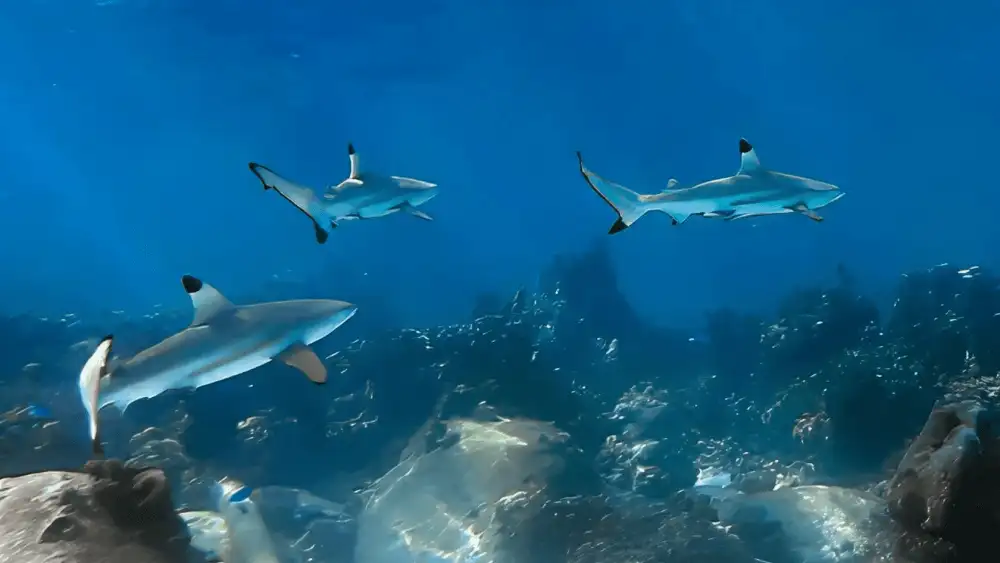
Blacktip reef sharks (Carcharhinus melanopterus) are an iconic species found in the shallow waters surrounding Koh Tao, instantly recognisable by the distinctive black tips on their fins.
These are medium-sized sharks, typically reaching 1.5 to 1.8 metres in length around Koh Tao, with females generally growing larger than males. Their slender, streamlined bodies epitomise evolutionary perfection for their ecological niche: fast, efficient hunters adapted to navigate the complex topography of coral reef environments.
Key identifying features include:
Young blacktip reef sharks around Koh Tao appear almost identical to adults from birth, just smaller in scale: a miniature version of their parents, complete with the signature black-tipped fins.
Tip. The most reliable way to identify a blacktip reef shark is the bold black tip on the first dorsal fin. If the shark also has black on its pelvic fins, it is almost certainly a blacktip reef shark — the similar-looking oceanic blacktip lacks this marking.
Around Koh Tao, blacktip reef sharks exhibit consistent behavioural patterns, making them relatively predictable for observers who understand their habits. They are primarily active during daylight hours (diurnal), though crepuscular (dawn and dusk) activity peaks are common, as these transition times often align with feeding opportunities.
They typically prefer shallow, warm waters ranging from 1–15 metres in depth, with a particular affinity for areas that combine coral reef structures with sandy patches and seagrass beds. This habitat preference makes the fringing reefs surrounding Koh Tao ideal territory, offering the varied underwater landscape these sharks favour.
Social structure among blacktip reef sharks is more complex than many people realise. While not truly schooling by definition, they frequently form loose aggregations, particularly in protected bays and lagoons. Around Koh Tao, it is not uncommon to observe small groups of 3–7 individuals patrolling the same area, especially at sites like Shark Bay and Tanote Bay on the island’s eastern side.
One of the most fascinating aspects of their behaviour is their strong site fidelity. Blacktip reef sharks have very small home territories and show very strong site fidelity, staying in the same local area for several years at a time. That means if you see a shark in a certain bay, you can almost guarantee that it will stay there.
Divemaster’s tip. You will not often see these sharks on a scuba dive. They are timid, skittish and quite scared of the noise made by regulators. However, you can head to Shark Bay and snorkel with juvenile blacktip reef sharks, or check out Hin Wong Bay to see tiny juvenile sharks swimming in the shallows. The adults will be difficult to approach but will not hesitate to cruise past you, whilst the juveniles will often swim right up to explore you.
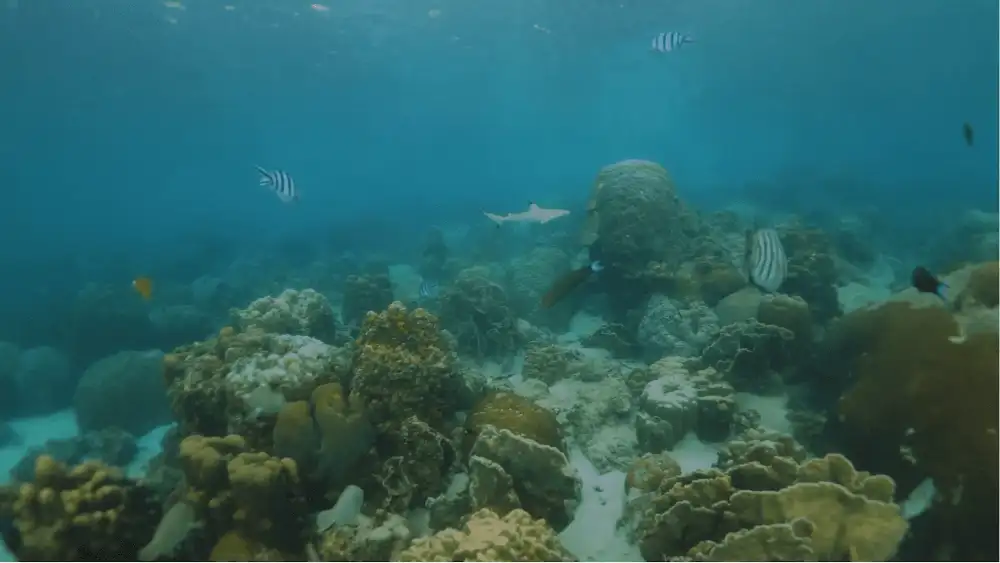
Blacktip reef sharks are active predators that employ a distinctive hunting strategy well suited to the reef environment. Unlike some shark species that rely on ambush or scavenging, blacktips actively patrol their territory using their excellent vision to locate prey.
Their diet primarily consists of:
What makes blacktip reef sharks particularly fascinating to observe is their cooperative hunting behaviour. When targeting schools of small fish, multiple sharks sometimes work together to herd prey into shallow waters or coral structures where escape becomes difficult. This level of coordination suggests more sophisticated social behaviour than they are often credited with.
Despite their predatory nature, blacktips are surprisingly selective feeders, typically consuming only 0.3–0.9% of their body weight daily — far less than many people imagine sharks eat. This measured consumption is one of many indications that they are not the insatiable predators of popular imagination but rather calculated hunters playing a precise ecological role.
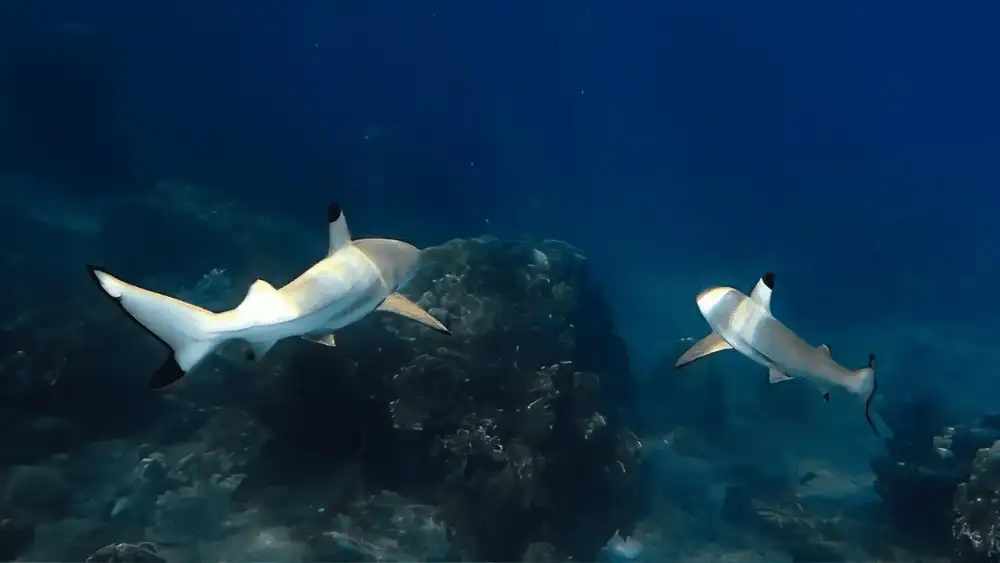
Several locations around Koh Tao have earned reputations as reliable spots for blacktip reef shark encounters.
| Location | What to expect | Best time |
|---|---|---|
| Shark Bay | Resident population of blacktip reef sharks; sandy bottom and scattered coral heads create ideal conditions | Morning hours |
| Sai Daeng | Deep central channel serves as a corridor for blacktips moving between feeding areas; excellent for snorkellers willing to venture further from shore | Morning |
| Aow Leuk | Fantastic opportunities to see baby blacktips | Early morning or late afternoon |
For more information on the top dive sites of Koh Tao, see our guide to the best dive sites in Koh Tao.
Successful blacktip reef shark encounters around Koh Tao correlate strongly with specific timing and conditions.
| Factor | Detail |
|---|---|
| Time of day | Early morning (6:30–9:00 am) consistently provides the highest probability of sightings, as sharks are often most active during these hours. Late afternoon (4:00–6:00 pm) offers a secondary window when they typically increase activity before nightfall. |
| Seasonal variations | While blacktips are present year-round, February to May typically yields the most consistent sightings around Koh Tao. This timeframe coincides with slightly warmer water temperatures and often clearer visibility on the island’s eastern side. |
| Weather conditions | Calm surface conditions not only improve visibility but also make it easier to spot sharks from the surface when snorkelling. After periods of rough weather, shark sightings often decrease temporarily, possibly due to their sensitivity to barometric pressure changes or to suspended sediment in the water. |
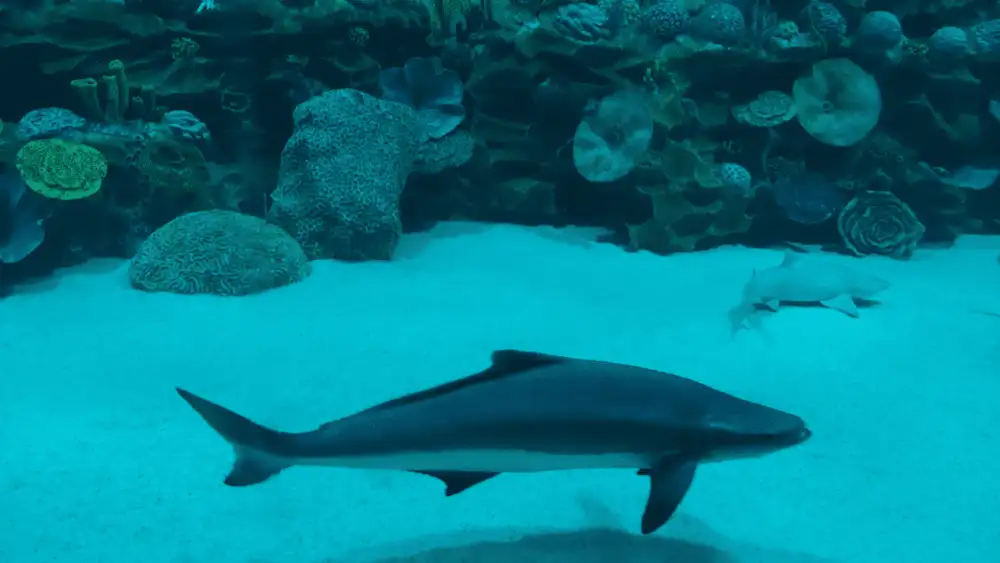
Meaningful encounters with blacktip reef sharks depend heavily on appropriate human behaviour:
Despite their protected status in Thai waters since 2015, blacktip reef sharks around Koh Tao and throughout the Gulf of Thailand face multiple threats:
| Threat | Detail |
|---|---|
| Fishing pressure | While direct targeting of sharks is illegal, incidental capture as bycatch in fishing operations targeting other species continues to impact populations. Their preference for shallow coastal habitats makes them particularly vulnerable to near-shore fishing activities. |
| Habitat degradation | The coral reef ecosystems that blacktips depend on face numerous challenges, including coral bleaching, sedimentation from coastal development, physical damage from boat anchors and pollution. Each of these factors reduces the environment’s capacity to support healthy shark populations. |
| Low reproductive rate | Like most shark species, blacktip reef sharks have a relatively slow life-history strategy — reaching sexual maturity at 4–5 years, having gestation periods of 10–11 months and producing only 2–5 pups per litter. This reproductive pattern makes population recovery slow once numbers decline. |
| Tourism impact | While tourism creates economic incentives for protection, poorly managed marine tourism can disrupt natural behaviours, particularly in shallow nursery areas where juvenile sharks develop. |
| Climate change | Rising ocean temperatures and acidification impact both sharks directly and the reef ecosystems they depend on, creating potential long-term threats to their survival. |
For more information, read our post on marine conservation in Koh Tao.
Encouragingly, several initiatives around Koh Tao are working to protect the island’s blacktip reef shark population:
For more information on shark conservation in Koh Tao, read about Swim for Sharks.
The reproductive cycle of blacktip reef sharks represents one of the most fascinating aspects of their biology, though observations of mating behaviours around Koh Tao remain relatively rare.
Like most sharks, blacktips utilise internal fertilisation, with males possessing specialised claspers (modified pelvic fins) for transferring sperm to females. The mating process itself can be somewhat rough, with males often biting females’ fins or flanks to maintain position during copulation — a behaviour that sometimes leaves visible but temporary scarring on mature females.
What makes blacktip reproduction particularly interesting is their use of specific nursery areas — typically very shallow, protected lagoons or bay margins where pregnant females give birth to live young (viviparous reproduction). These nursery zones provide young sharks with abundant food resources and protection from larger predators during their vulnerable early months.
Around Koh Tao, certain protected shallow areas within Shark Bay and parts of Aow Leuk have been identified as potential pupping grounds, with occasional reports of neonate (newborn) sharks with visible umbilical scars during the February to April period, suggesting seasonal breeding patterns.
Key reproductive facts:
Note. Unlike some shark species that have large litters, female blacktips typically give birth to just 2–5 pups. These young sharks emerge fully formed, miniature versions of their parents, complete with the distinctive black-tipped fins, though their markings may appear more pronounced in younger individuals.
Blacktip reef sharks are more than just a highlight of Koh Tao’s marine life. They are a vital part of the reef ecosystem and a powerful reminder of how balanced and delicate the ocean truly is.
Seeing one in the wild is not just an exciting moment; it is an experience that often changes how people view sharks forever. From fear to fascination, these encounters leave a lasting impression.
If you are visiting Koh Tao, taking the time to explore its waters offers a rare chance to witness these graceful predators in their natural environment.
Ready to see blacktip reef sharks for yourself? Whether you are new to snorkelling or an experienced diver, Koh Tao offers one of the best opportunities to encounter blacktip reef sharks up close. Join a guided experience with La Bombona Diving and explore the island’s most reliable shark-spotting locations with confidence — book your dive or snorkelling trip today and discover Koh Tao beneath the surface.
Blacktip reef sharks pose minimal risk to humans. They are naturally cautious and usually swim away when approached. Recorded incidents worldwide are rare, minor and typically linked to provoked situations such as feeding or attempting contact.
Calm conditions and fewer people significantly improve your chances of spotting them.
Juveniles are smaller, around 50–60 cm, with more defined black fin markings. They stay in shallow water and move cautiously. Adults are larger, up to 1.8 metres, with more faded markings and wider movement patterns.
They also remove weaker prey, contributing to healthier and more stable marine life populations.
Blacktip reef sharks are protected under Thai law, with restrictions on fishing. Local efforts include reef monitoring, marine education, clean-up initiatives and responsible tourism practices that help protect habitats and raise awareness among visitors.
More in Marine Life
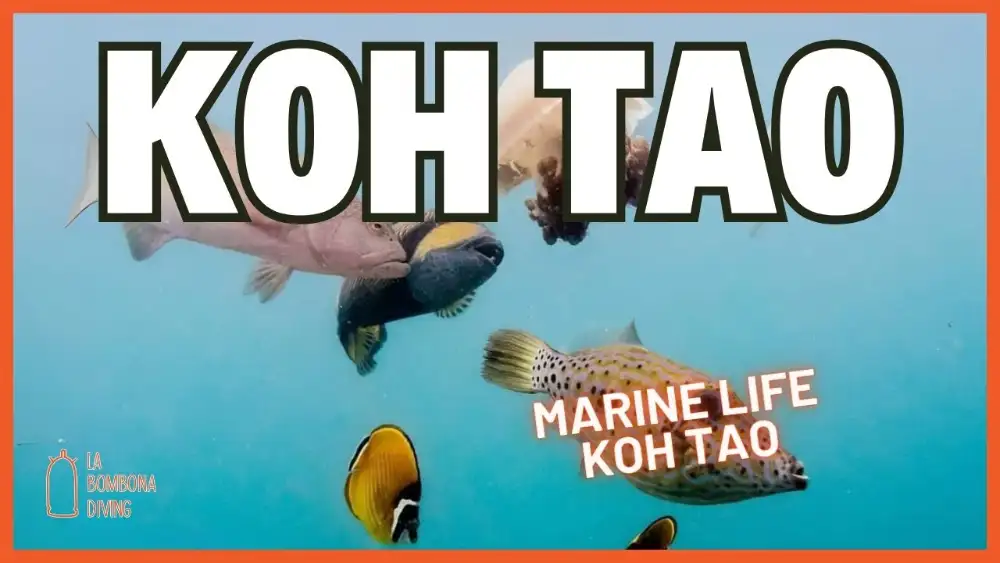 Marine Life
From barracuda and trevally to lionfish, cuttlefish, pufferfish, boxfish, moray eels, batfish and sea kraits — a species-by-species guide to the marine life you can meet on Koh Tao's reefs.
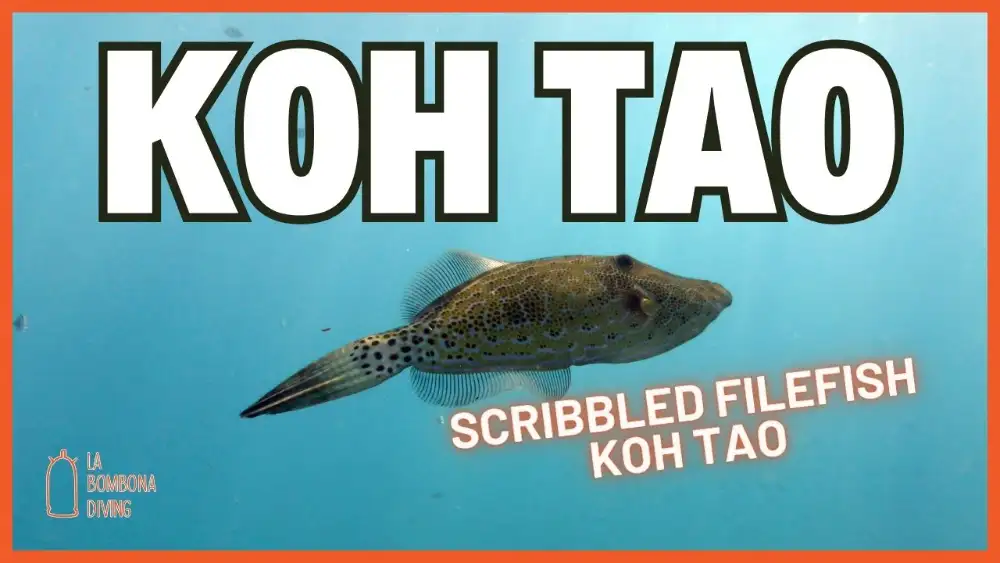 Marine Life
The enigmatic scribbled filefish of Koh Tao — how to identify these living artworks, how they behave, where to find them on the island's dive sites, and the conservation challenges they face.
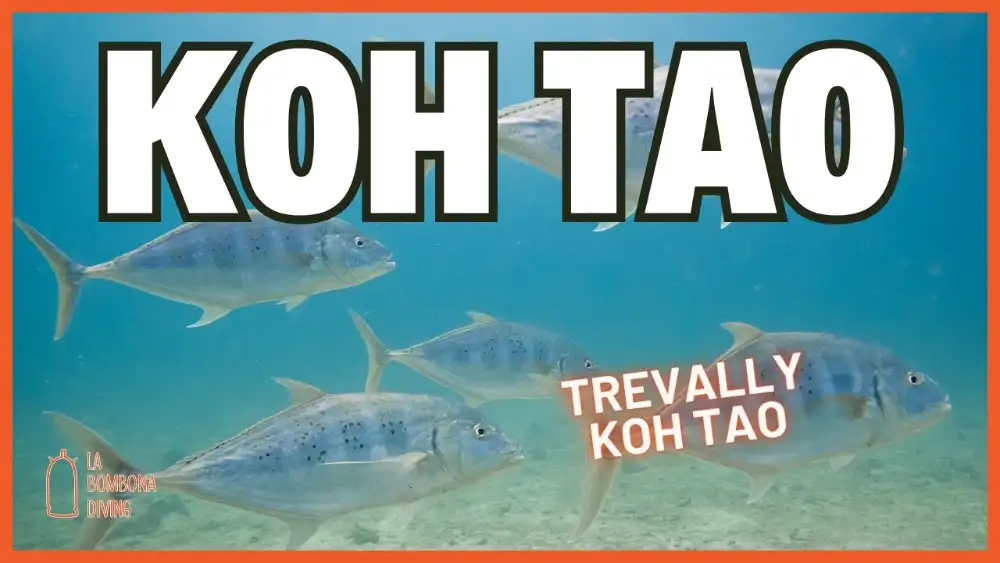 Marine Life
Bluefin, Bigeye, Golden and Gold-spotted trevally — how to tell Koh Tao's four trevally species apart, where and when to see them, how they hunt and school, and how to observe them responsibly.
Message us on WhatsApp — courses, fun dives and honest advice about Koh Tao.
Chat on WhatsApp