Where and when to find cuttlefish around Koh Tao, how their colour-changing camouflage works, what their courtship and hunting look like, and how to observe them without causing stress.
6 May 2025 · updated 27 February 2026 · by Bryan Roseman
In short. Cuttlefish encounters in Koh Tao offer some of the most fascinating underwater experiences in the Gulf of Thailand. These intelligent cephalopods, closely related to squid and octopus, showcase remarkable colour-changing abilities and complex behaviours that mesmerise divers. Best spotted year-round at various dive sites around Koh Tao, cuttlefish provide unique opportunities to observe sophisticated marine intelligence in action.
Cuttlefish sightings in Koh Tao are some of the most captivating marine encounters available to divers visiting Thailand’s premier diving destination. Despite their name, cuttlefish are not fish at all but sophisticated molluscs belonging to the cephalopod family, making them close relatives of squid and octopus. Their presence in Koh Tao’s waters adds another dimension to the island’s already impressive marine biodiversity.
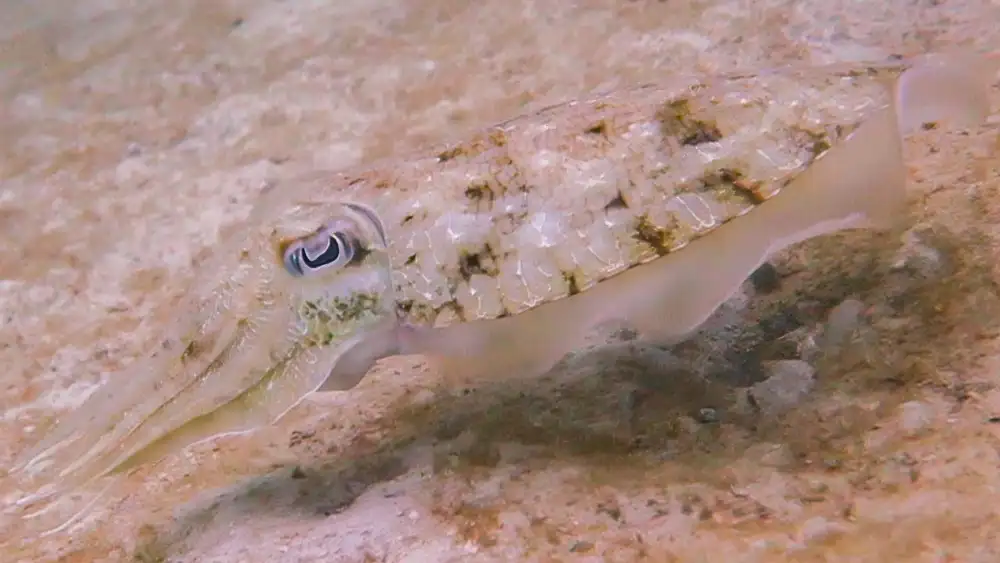
These remarkable creatures have earned their reputation as the “chameleons of the sea” through their extraordinary ability to instantly change both colour and texture. This sophisticated camouflage system, combined with their intelligence and complex social behaviours, makes cuttlefish encounters a highlight for many divers exploring Koh Tao’s underwater world.
Cuttlefish possess advanced cognitive abilities, including problem-solving skills and complex communication methods that rival those of vertebrates.
Using specialised chromatophore cells, cuttlefish can change colours and patterns in milliseconds for communication and camouflage.
Their sophisticated eyes can perceive polarised light and provide exceptional vision in low-light underwater conditions.
The internal cuttlebone helps control buoyancy, allowing precise movement through the water column.
Cuttlefish specimens in Koh Tao typically range from 15 to 25 cm (6 to 10 inches) in length, though larger species can reach impressive sizes. Their most distinctive feature is the internal cuttlebone — a lightweight, porous shell that provides buoyancy control and is often found washed up on beaches, indicating healthy cuttlefish populations in nearby waters.
| Size | Category |
|---|---|
| 15 cm (6″) | Common size |
| 25 cm (10″) | Average adult |
| 40 cm (16″) | Large species |
| 50 cm (20″) | Giant cuttlefish |
The flexibility of their bodies allows smooth, graceful movement through the water, while their advanced eyes — among the most sophisticated in the animal kingdom — provide exceptional vision that is essential for hunting and communication in the underwater environment.
The camouflage abilities that make cuttlefish encounters in Koh Tao so spectacular operate through a complex system of specialised skin cells. This biological marvel involves multiple layers of cells working in perfect coordination to create one of nature’s most effective disguise systems.
Surface cells containing pigment granules that can expand and contract to display different colours instantly.
Reflective cells beneath the chromatophores that create iridescent effects and enhance colour brilliance.
Light-reflecting cells that provide white colouration and help match bright sandy or coral environments.
Skin projections that change texture, allowing cuttlefish to mimic coral, rock and seaweed surfaces.
This sophisticated camouflage system serves multiple purposes beyond simple predator avoidance. Cuttlefish use their colour-changing abilities for complex communication with other cuttlefish, creating a silent visual language that scientists are still working to fully understand.
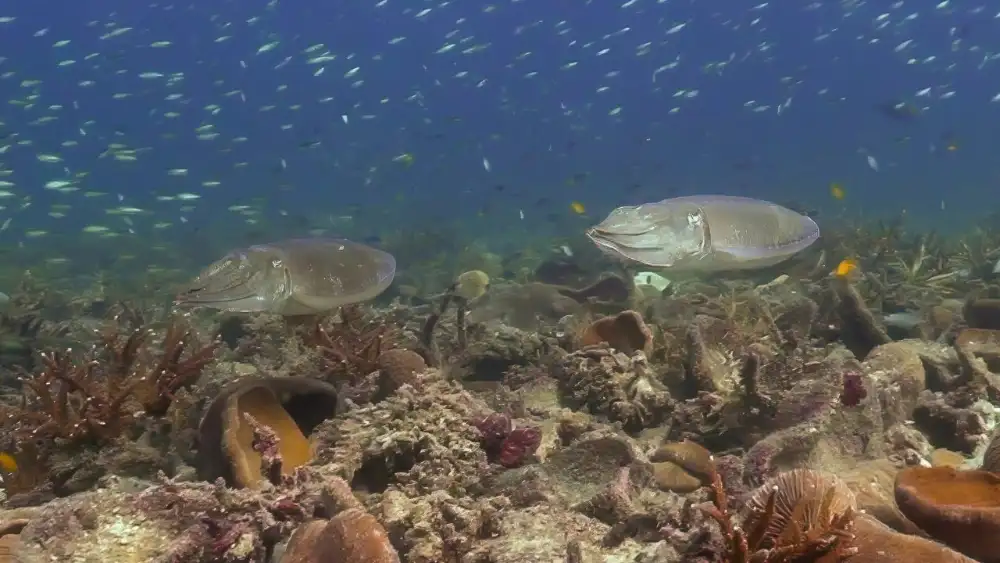
Observing cuttlefish behaviour in Koh Tao provides insights into some of the most complex social interactions in the marine world. These intelligent creatures display a range of behaviours that demonstrate their sophisticated cognitive abilities and social awareness.
The mating behaviour of cuttlefish is among the most elaborate displays in the ocean. Males engage in dramatic colour shows, rapidly shifting through brilliant patterns to attract females and establish dominance over rivals. These courtship displays involve intricate dances, with males positioning their arms and fins in hypnotic movements designed to impress potential mates.
Males display vibrant colour patterns and perform elaborate dances to catch a female’s attention.
Males engage in brief territorial disputes, using colour displays to assert dominance.
Successful males approach females with specific colour patterns and gentle movements.
After mating, females carefully select protected locations to deposit their eggs.
As opportunistic predators, cuttlefish employ various hunting techniques that showcase their intelligence and adaptability. Their diet includes small fish, crabs, shrimp and other invertebrates, which they capture using a combination of stealth, speed and precision.
Successful cuttlefish sightings in Koh Tao depend on understanding their preferred habitats and activity patterns. These creatures can be found throughout the year, but certain conditions and locations offer better opportunities for memorable encounters. Understanding the best diving seasons can significantly improve your chances of spotting these fascinating cephalopods.
Cuttlefish can be seen in every month of the year around Koh Tao. Viewing conditions are at their best from March to September, when visibility is highest, and remain good to fair for the rest of the year, dropping mainly in the monsoon months of November to January when visibility falls.
| Dive site | Depth range | Best time | Cuttlefish activity |
|---|---|---|---|
| Tao Tong | 5–14 m | Day & night | Feeding & camouflage displays |
| Twins | 8–20 m | Early morning | Hunting behaviour |
| White Rock | 6–18 m | Afternoon | Social interactions |
| Sairee Reef | 3–12 m | Dusk | Mating displays (seasonal) |
| Shark Bay | 5–15 m | Night | Active hunting |
Responsible interaction with Koh Tao’s cuttlefish populations ensures these intelligent creatures remain undisturbed while allowing divers to observe their natural behaviours. Following proper diving etiquette protects the marine life and improves the quality of the encounters.
Keep at least 2–3 metres away to avoid stressing the animal and to allow you to observe its natural behaviour.
Move slowly and deliberately to avoid startling cuttlefish and disrupting their activities.
Bright lights can disrupt their natural colour displays and cause stress. Use red filters on dive lights.
Physical contact or pursuit can harm cuttlefish and prevents you from observing authentic behaviours.
Minimise noise and sudden movements to maintain the peaceful environment cuttlefish prefer.
If a cuttlefish shows stress signals (rapid colour changes, retreat), back away immediately.
Koh Tao’s cuttlefish populations play crucial roles in maintaining healthy marine ecosystems. Their presence indicates a balanced underwater environment and contributes to the overall biodiversity that makes Koh Tao a world-class diving destination. Learning about the broader marine life ecosystem helps divers appreciate the interconnected nature of these underwater communities.
Note. Conservation efforts in Koh Tao. Local dive centres and marine conservation organisations work together to protect cuttlefish habitats through sustainable diving practices, research initiatives and education programmes. These efforts ensure that future generations of divers can continue to experience the wonder of cuttlefish encounters in Koh Tao’s pristine waters. Conservation measures include habitat protection, diving impact monitoring and ongoing research into cuttlefish behaviour and ecology. The presence of healthy cuttlefish populations serves as an indicator of successful marine protection efforts in the area.
Ready to witness the incredible intelligence and beauty of Koh Tao’s cuttlefish? Encounters are never guaranteed, but La Bombona Diving’s experienced guides know where to look for these amazing cephalopods, and our small groups and respectful diving practices give you the best chance of a natural encounter. Whether you’re planning your first visit or returning to explore more marine life, knowing how to get to Koh Tao will help you plan the perfect diving trip. Fun dives with La Bombona Diving cost 2,000 ฿ for 2 dives, with professional guides and all equipment included.
Cuttlefish can be spotted year-round in Koh Tao's waters, but the optimal viewing periods are from March to September, when visibility is highest. Day dives offer excellent opportunities to observe their social behaviour and feeding activities, while night dives provide unique chances to witness their more active hunting behaviour and dramatic colour displays.
Maintain a respectful distance of at least 2–3 metres and observe without causing stress. Use slow, controlled movements, avoid touching or chasing them, and never use bright lights or flash photography, as this can disrupt their natural behaviour. If a cuttlefish shows signs of stress through rapid colour changes or retreating, back away immediately to give it space.
No. Despite their name, cuttlefish are not fish at all. They are marine molluscs belonging to the cephalopod family, making them close relatives of squid, octopus and nautilus. They are characterised by their internal shell (cuttlebone), advanced intelligence and sophisticated colour-changing abilities that set them apart from true fish species.
Cuttlefish achieve rapid colour changes through specialised skin cells called chromatophores, which contain pigment granules that can expand and contract within milliseconds. Beneath these are iridophores that reflect light for iridescent effects, and leucophores that provide white colouration. This multi-layered system allows them to create complex patterns for camouflage and communication.
Cuttlefish serve as both predators and prey in Koh Tao's marine food web, helping to maintain ecological balance. They control populations of small fish, crabs and shrimp, preventing overgrazing of coral reefs. Their presence indicates a healthy marine environment, as they require clean, nutrient-rich water to thrive. This makes them important indicators of ecosystem health around Koh Tao.
More in Marine Life
 Marine Life
From barracuda and trevally to lionfish, cuttlefish, pufferfish, boxfish, moray eels, batfish and sea kraits — a species-by-species guide to the marine life you can meet on Koh Tao's reefs.
 Marine Life
The enigmatic scribbled filefish of Koh Tao — how to identify these living artworks, how they behave, where to find them on the island's dive sites, and the conservation challenges they face.
 Marine Life
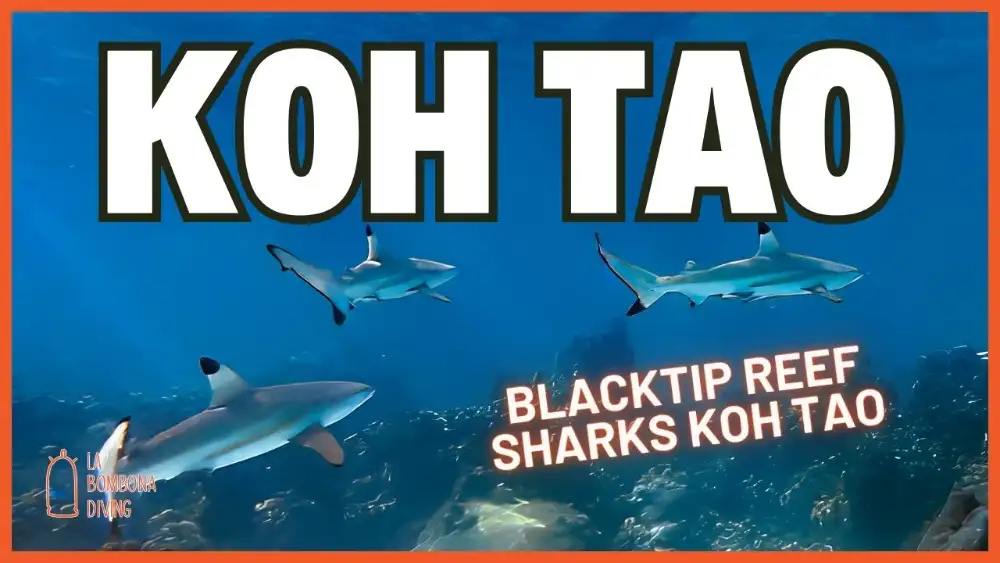
Everything about Koh Tao's blacktip reef sharks — how to identify them, how they behave and hunt, the bays where you can reliably see them, the best time of day, and how to watch them responsibly.
Message us on WhatsApp — courses, fun dives and honest advice about Koh Tao.
Chat on WhatsApp