Where and when to spot banded sea kraits around Koh Tao, how to identify them, how to observe them safely, and why these venomous but placid sea snakes matter for the reef.
9 May 2025 · updated 27 February 2026 · by Bryan Roseman
In short. Banded sea krait encounters in Koh Tao are among the most thrilling marine wildlife experiences for divers. These striking black and silvery-blue banded sea snakes, found at dive sites like Japanese Gardens and Red Rock, can grow over two metres long. Despite being highly venomous, banded sea kraits are not aggressive toward humans and play a vital role in maintaining the ecological balance around Koh Tao’s reefs.
Spotting a banded sea krait in Koh Tao during your diving adventure is one of the most exciting marine encounters available in Thai waters. These remarkable amphibious snakes, scientifically known as Laticauda colubrina, combine stunning visual appeal with fascinating behaviour patterns that make them a photographer’s dream and a naturalist’s delight.
Understanding where to find these creatures, how to observe them safely and their importance to Koh Tao’s marine ecosystem enhances every diving experience while contributing to marine conservation awareness.
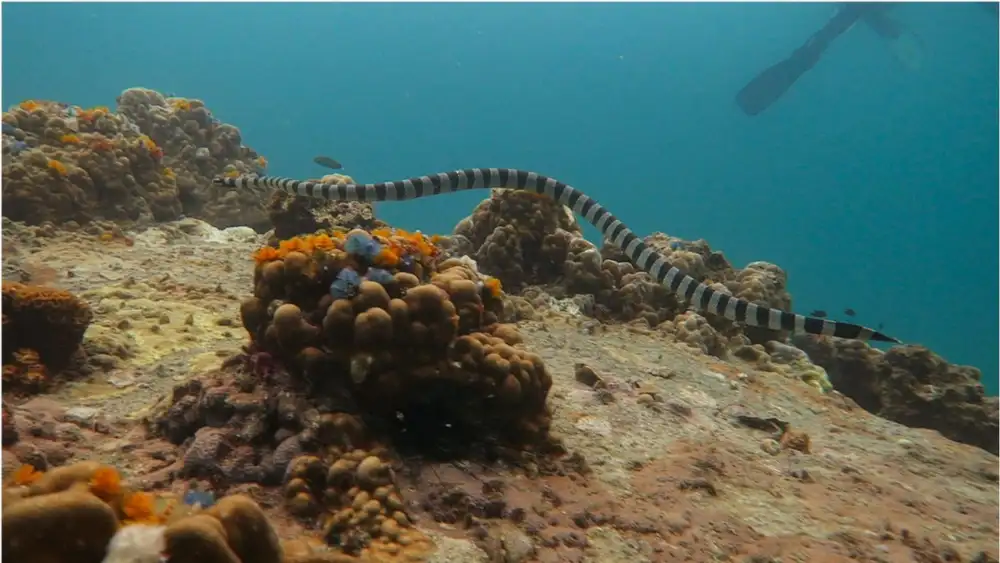
Banded sea kraits are among the most distinctive members of Koh Tao’s marine life. Their most recognisable feature is the pattern of alternating black and silvery-blue bands running the length of their bodies, creating a striking look that is visible even in reduced visibility.
While banded sea krait sightings in Koh Tao are considered rare, certain dive sites offer better opportunities for encounters. These locations provide the coral reef environments and abundance of prey that attract these remarkable snakes.
Shallow coral gardens perfect for spotting kraits hunting among the reefs. High biodiversity attracts their preferred prey.
Rocky crevices and coral formations provide ideal habitat. Often visited during morning and afternoon dives.
Deep coral pinnacles with excellent fish populations. Kraits often hunt in the surrounding sandy areas.
Twin rock formations create diverse microhabitats. Excellent visibility increases your chances of spotting one.
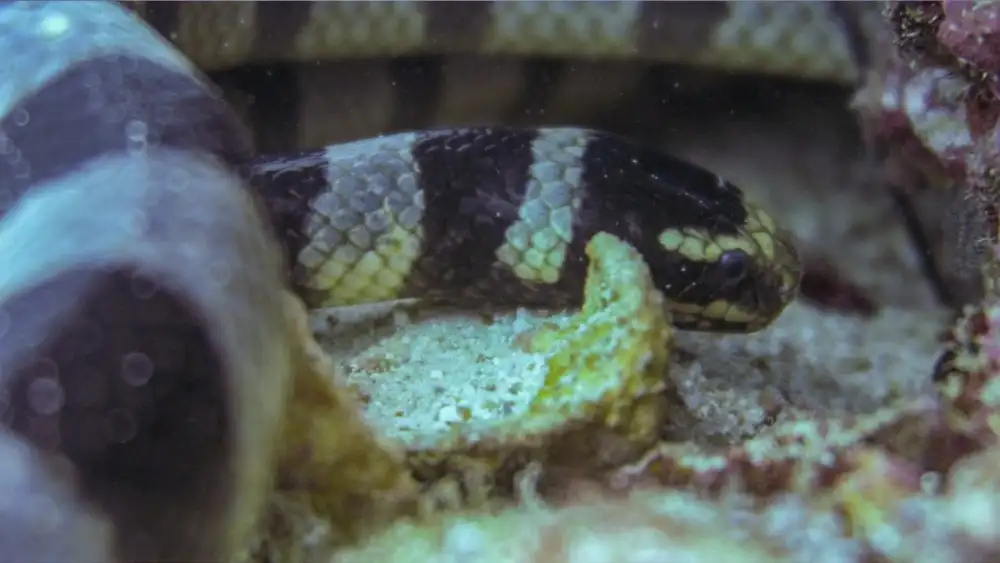
Timing plays a crucial role in successful banded sea krait encounters. These snakes are most active under specific conditions and at specific times, making strategic dive planning essential for wildlife enthusiasts. Understanding the best diving seasons significantly increases your chances of an encounter.
| Factor | Optimal conditions | Why this matters |
|---|---|---|
| Season | March to September | Calm seas and high visibility |
| Time of day | Early morning or late afternoon | Increased snake activity |
| Weather | Clear skies, minimal wind | Better underwater visibility |
| Tide | Incoming or high tide | More active fish movement |
| Moon phase | New moon periods | Enhanced nocturnal hunting behaviour |
Warning. Essential safety protocols. While banded sea krait encounters in Koh Tao are generally safe, these snakes possess potent neurotoxic venom. Following proper safety protocols ensures enjoyable and risk-free observations.
The presence of banded sea kraits in Koh Tao serves as an important indicator of reef health and biodiversity. These apex predators play a crucial role in maintaining the balance of the marine ecosystem while supporting the complex food webs that make Koh Tao’s marine environment so special.
The banded sea krait primarily hunts eels and small fish using its powerful neurotoxic venom. This specialised hunting strategy, shared with its relative the yellow-lipped sea krait, involves:
Banded sea krait populations around Koh Tao face increasing pressure from human activities and environmental change. Understanding these threats helps divers become better conservation advocates.
Every diver can contribute to protecting banded sea kraits through responsible diving practices and conservation support. Small actions collectively make a significant impact on the preservation of the marine ecosystem.
Ready to explore Koh Tao’s incredible marine life with experienced dive professionals? La Bombona Diving offers expert-guided dives to the best sites for banded sea krait sightings, such as Japanese Gardens and Red Rock, combining wildlife observation with thorough safety briefings and marine conservation education in small groups. Our fun diving packages cost 2,000 ฿ for 2 dives – 4-hour morning or afternoon trips, all equipment included.
Banded sea krait encounters in Koh Tao are generally very safe. While these snakes possess potent neurotoxic venom, they are not aggressive toward humans and rarely bite unless directly handled or threatened. Maintaining a respectful distance and following proper diving protocols ensures safe observations. Bites are extremely rare among divers who follow the safety guidelines.
The optimal time for banded sea krait sightings in Koh Tao is the dry season from March to September, when calm seas provide excellent visibility. Early morning and late afternoon dives during this period offer the best chances, as kraits are more active at these times. Weather conditions significantly affect sighting success rates.
Banded sea krait sightings in Koh Tao are considered relatively rare but do occur regularly at certain dive sites. Japanese Gardens, Red Rock and Twins offer the best opportunities thanks to their coral reef environments and abundant prey. While never guaranteed, patient divers with experienced guides have a good chance of an encounter, especially in optimal conditions.
Yes. Banded sea kraits are amphibious creatures that regularly come ashore to rest, digest food and mate. Unlike fully marine sea snakes, they retain the ability to survive and move on land, often returning to the same coastal areas every year. This unique lifestyle makes them particularly interesting to marine biologists and nature enthusiasts.
When you encounter a banded sea krait, remain calm and still, signal your dive buddy and observe from a safe distance of at least 2–3 metres. Avoid sudden movements, never attempt to touch the snake and allow it to move freely. Take photos only if the animal appears undisturbed, and continue your dive normally once the encounter ends.
Protect banded sea kraits by diving responsibly, using reef-safe sunscreen, supporting marine conservation programmes and choosing eco-conscious dive operators. Take part in reef clean-ups, follow "look but don't touch" policies and share conservation awareness. Supporting marine protected areas and sustainable tourism practices also contributes to preserving their habitat.
More in Marine Life
 Marine Life
From barracuda and trevally to lionfish, cuttlefish, pufferfish, boxfish, moray eels, batfish and sea kraits — a species-by-species guide to the marine life you can meet on Koh Tao's reefs.
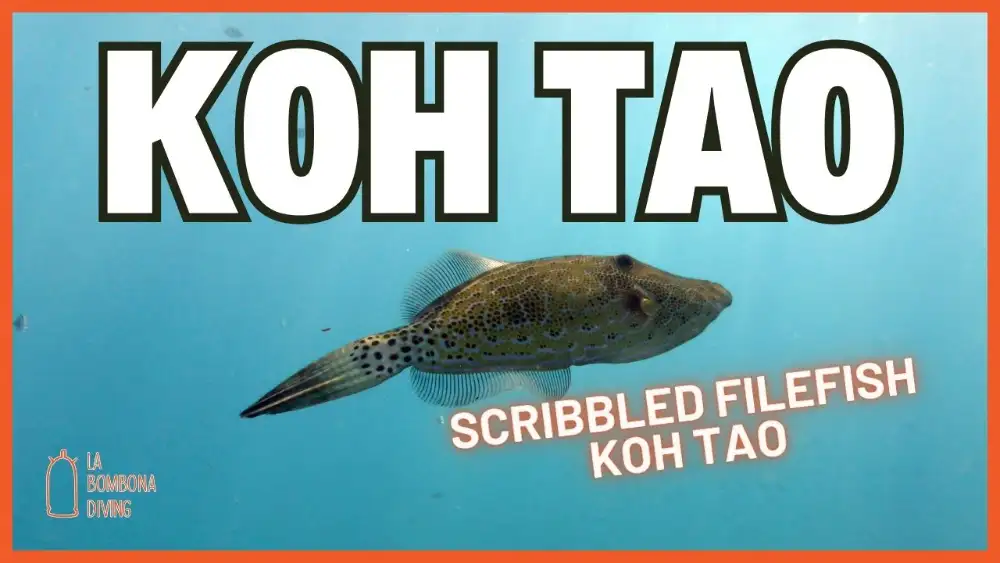 Marine Life
The enigmatic scribbled filefish of Koh Tao — how to identify these living artworks, how they behave, where to find them on the island's dive sites, and the conservation challenges they face.
 Marine Life
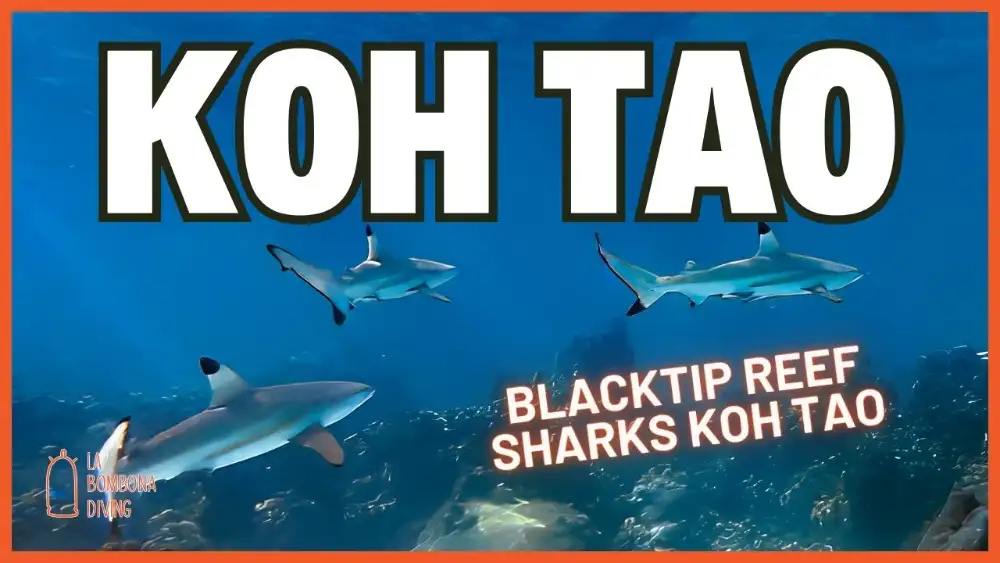
Everything about Koh Tao's blacktip reef sharks — how to identify them, how they behave and hunt, the bays where you can reliably see them, the best time of day, and how to watch them responsibly.
Message us on WhatsApp — courses, fun dives and honest advice about Koh Tao.
Chat on WhatsApp