The benefits of divemaster certification, the skills you develop, what the training costs, the career paths it opens and why Koh Tao is the place to do it.
8 April 2025 · updated 17 March 2026 · by Bryan Roseman
In short. Becoming a divemaster transforms your passion for diving into a rewarding career with global opportunities, expert-level skills development and the chance to share marine conservation. Divemaster certification opens doors to instruction roles, liveaboard work, marine biology careers and underwater photography, while building leadership skills and lifelong connections in the diving community.
Becoming a divemaster represents more than advancing your diving certification — it’s a gateway to a lifestyle that combines adventure, purpose and professional growth. This comprehensive guide explores why you should become a divemaster, from the immediate benefits during training to the long-term career opportunities that await certified professionals.
Whether you’re considering a career change or looking to monetise your passion for diving, understanding the divemaster path helps you make an informed decision about this life-changing certification. Getting to Koh Tao is the first step in this transformative journey.
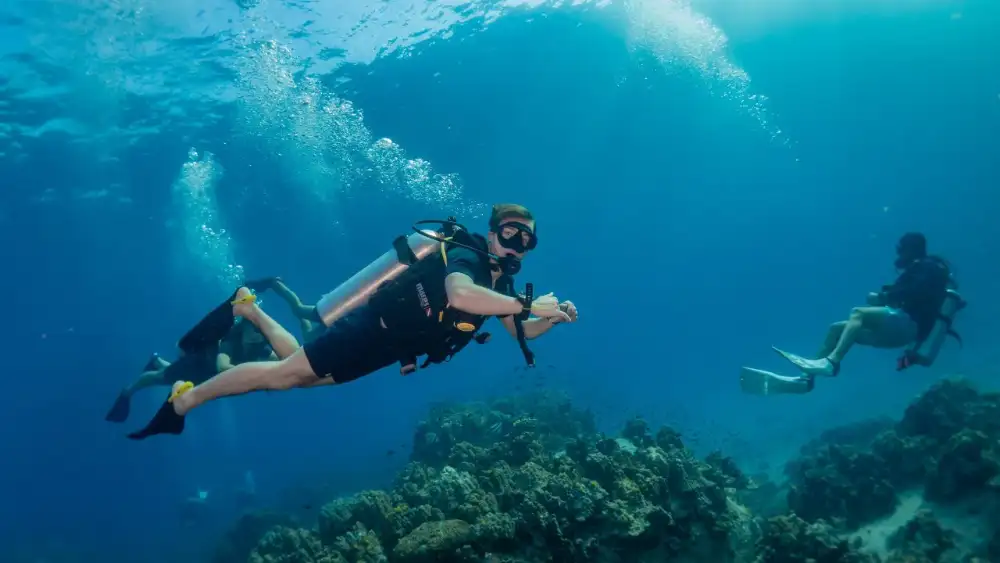
Understanding why you should become a divemaster starts with recognising the comprehensive benefits this certification provides. From personal development to professional opportunities, divemaster training transforms both your diving abilities and your career prospects.
Perfect buoyancy control, master underwater navigation and develop advanced safety procedures. Divemaster training pushes your abilities to professional standards through hands-on exercises that simulate real-world scenarios.
Learn to lead dive groups, manage emergencies and communicate effectively both underwater and on the surface. These transferable skills benefit your professional and personal life beyond diving.
Work anywhere in the world where diving exists. From tropical islands to temperate coastlines, divemaster certification opens doors to international employment in the diving industry.
Develop quick thinking and decision-making abilities. Underwater challenges require calm assessment and immediate solutions — skills that enhance your capability in all life situations.
Connect with diving professionals worldwide. The relationships formed during divemaster training often lead to job opportunities, career advancement and lifelong friendships.
Contribute meaningfully to ocean preservation. Divemasters play crucial roles in marine education and conservation efforts, sustainable tourism practices and protecting marine ecosystems.
Understanding the complete cost helps you plan your divemaster journey effectively. Add up one option from each group:
Training package
Accommodation (60 days)
Daily food budget
Personal equipment
The question of why you should become a divemaster is best answered by examining the comprehensive skill set this certification provides. These abilities extend far beyond diving techniques, creating well-rounded professionals capable of handling complex situations.
Learn compass navigation, natural navigation techniques and underwater mapping to guide divers safely through any dive site.
Master rescue techniques, emergency ascent procedures and crisis management to handle any underwater emergency effectively.
Perfect essential knots including bowline, clove hitch and sheet bend for equipment security, rescue operations and dive flag deployment.
Understand diving equipment servicing, troubleshooting and safety inspections to ensure optimal performance and diver safety.
Develop skills to lead diverse groups of divers, manage different experience levels and ensure everyone has safe, enjoyable experiences.
Learn to read underwater conditions, predict weather impacts and make informed decisions about dive safety and feasibility.
Understanding why you should become a divemaster includes recognising how additional certifications enhance your professional value and open new opportunities.
| Certification | Benefits | Career Impact | Typical Cost (฿) |
|---|---|---|---|
| Nitrox (Enriched Air) | Longer bottom times, reduced nitrogen absorption | Essential for most professional positions | 3,000–5,000 |
| Deep Diving (40 m) | Access deeper sites, expanded diving opportunities | Increases versatility and marketability | 4,000–6,000 |
| Rescue Diver | Advanced emergency response skills | Often required for divemaster programmes | 11,000–14,000 |
| Underwater Navigation | Advanced compass and natural navigation | Essential for dive guide responsibilities | 3,000–4,000 |
| Night Diving | Specialised low-light diving skills | Enables specialty night dive guiding | 2,500–3,500 |
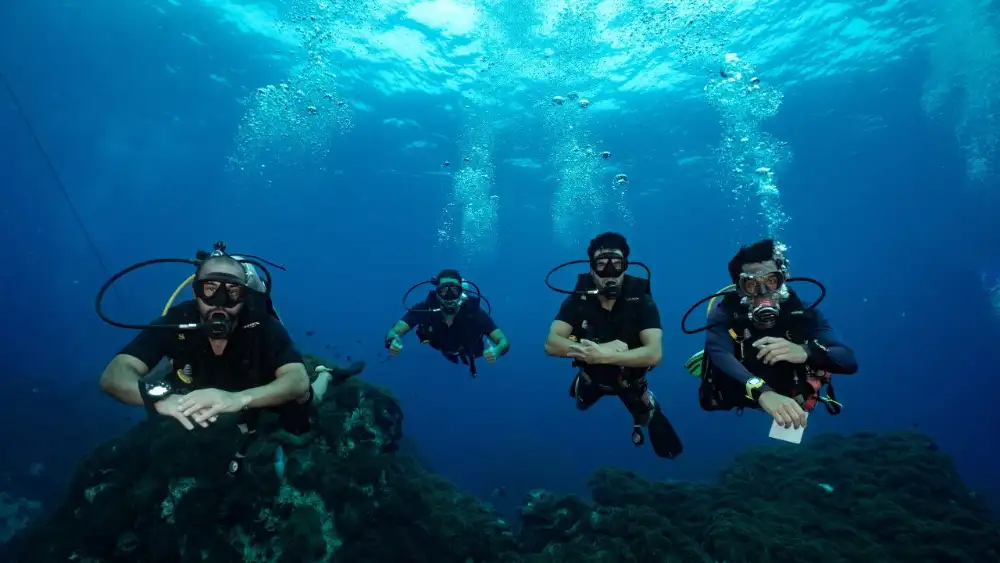
One of the strongest reasons why you should become a divemaster is the diverse career paths it opens. This certification serves as a foundation for numerous diving-related professions, each offering unique rewards and growth opportunities.
Progress to instructor level and teach diving courses worldwide. Instructors enjoy higher earning potential, flexible schedules and the satisfaction of introducing others to diving.
Work on dive boats visiting remote locations worldwide. Liveaboard staff experience pristine dive sites while providing guests with unforgettable adventures.
Apply diving skills to coral restoration, marine research and conservation projects. Many divemasters transition into marine biology and environmental protection roles.
Combine diving expertise with photography or videography skills. Underwater media professionals create content for documentaries, tourism and educational purposes.
Experienced divemasters often advance to management positions, overseeing operations, staff training and business development in dive centres worldwide.
Specialise in deep, cave or wreck diving requiring advanced training and equipment. Technical divemasters work on specialised projects and expeditions.
When considering why you should become a divemaster, location matters significantly. Koh Tao offers unique advantages that make it an ideal training destination for aspiring diving professionals.
Tip. Koh Tao training advantages:
- Diverse marine life: encounter whale sharks, turtles, rays and tropical reef species during training.
- Varied dive sites: train at sites ranging from shallow reefs to advanced deep dives and swim-throughs.
- Professional community: learn from experienced instructors and connect with diving professionals worldwide.
- Affordable living: a low cost of living allows you to focus on training without financial stress.
- Year-round diving: consistent conditions enable uninterrupted training progression.
- Multiple agencies: choose from PADI, SSI or RAID certification paths based on your preferences.
Divemaster training in Koh Tao emphasises practical skills essential for professional diving success. Understanding these competencies illustrates why you should become a divemaster and how this certification prepares you for real-world challenges.
Note. Investment considerations: while divemaster training requires significant time and financial investment, the returns extend far beyond monetary compensation. Consider the lifestyle benefits, personal growth and long-term career opportunities when evaluating the total value of this certification. Many divemasters report that the experience fundamentally changes their perspective on life and work.
Ready to discover why you should become a divemaster? La Bombona Diving’s Divemaster course (40,000 ฿, two months) combines intensive skill development with real-world experience alongside our instructors, small groups and plenty of ocean diving — preparing you for a career in the global diving industry.
Deciding why you should become a divemaster ultimately depends on your personal goals, lifestyle preferences and career aspirations. This certification suits individuals who:
Tip. Before you commit, consider these factors when deciding if divemaster training aligns with your goals:
- Physical fitness: ensure you can meet the demanding physical requirements.
- Financial planning: budget for training costs, living expenses and equipment investment.
- Time commitment: intensive programmes require full-time dedication for several months.
- Career goals: consider how divemaster certification fits your long-term professional plans.
- Lifestyle changes: understand the realities of working in the diving industry.
Understanding why you should become a divemaster extends beyond immediate benefits to long-term life impact. Many certified divemasters report that this decision fundamentally changed their relationship with the ocean, their career satisfaction and their global perspective.
The skills developed during divemaster training — leadership, problem-solving, communication and crisis management — prove valuable in many career contexts beyond diving. Many former divemasters apply these abilities in business, education, emergency services and other professional fields.
Additionally, the international diving community provides lifelong networking opportunities, friendships and professional connections that extend far beyond your initial training period. These relationships often lead to unexpected opportunities and career developments years after certification. For women considering this path, specialised guidance and support is available throughout the training process.
The question of why you should become a divemaster has many answers, but they all point to one fundamental truth: this certification transforms lives. Whether you seek adventure, career change, personal growth or the opportunity to protect our oceans, divemaster training provides the foundation for achieving these goals.
The investment in time, money and effort pays dividends throughout your life, opening doors to experiences and opportunities that would otherwise remain closed. From guiding divers through coral gardens to contributing to marine research, divemasters play vital roles in ocean exploration and conservation.
Most importantly, becoming a divemaster connects you with a global community of ocean enthusiasts committed to sharing the underwater world’s beauty while protecting it for future generations. This sense of purpose and belonging makes the challenges of training worthwhile and creates lasting fulfilment in your professional and personal life.
If you’re considering this path, remember that every expert divemaster started exactly where you are now — with curiosity, passion and the willingness to take the next step into an extraordinary underwater career. Understanding Koh Tao’s incredible marine biodiversity will enhance your appreciation for what you’ll be protecting and sharing as a professional divemaster.
Becoming a divemaster transforms diving from a hobby into a lifestyle and career opportunity. You'll develop expert-level skills, gain leadership abilities and access global job opportunities while contributing to marine conservation. The certification also provides deep personal satisfaction through sharing your passion with others and making meaningful impacts on ocean preservation.
While not always required, Nitrox certification is highly recommended before divemaster training. It demonstrates commitment to safety and professionalism while enabling longer, safer dives during your training. Most dive operations prefer or require Nitrox-certified staff, making it essential for career advancement in the diving industry.
Divemaster earnings vary by location and experience. Entry-level positions typically pay 25,000–40,000 ฿ monthly in Thailand, while experienced divemasters in premium locations can earn 50,000+ ฿ monthly. Liveaboard positions often include all expenses paid, effectively increasing your earning power. Career progression to instructor level significantly increases earning potential.
Yes, divemaster certification is recognised globally, opening employment opportunities worldwide. Popular destinations include tropical islands, temperate coastlines and specialised diving locations. However, work visa requirements vary by country, so research immigration policies for your target destinations. The diving industry offers excellent networking opportunities for international job placement.
All three agencies offer recognised divemaster certifications with similar core requirements. PADI has the largest global presence, SSI emphasises digital learning and flexibility, while RAID focuses on modern training methods and risk management. Choose based on your preferred learning style and the dive centre's expertise rather than agency differences, as all are internationally respected.
Intensive divemaster programmes typically take 60 days of full-time training. This includes theoretical study, practical skill development and real-world experience with student divers. Part-time programmes can extend over several months, while some dive centres offer accelerated courses for experienced divers. The key is ensuring adequate time for skill mastery and confidence building.
More in Features
 Features
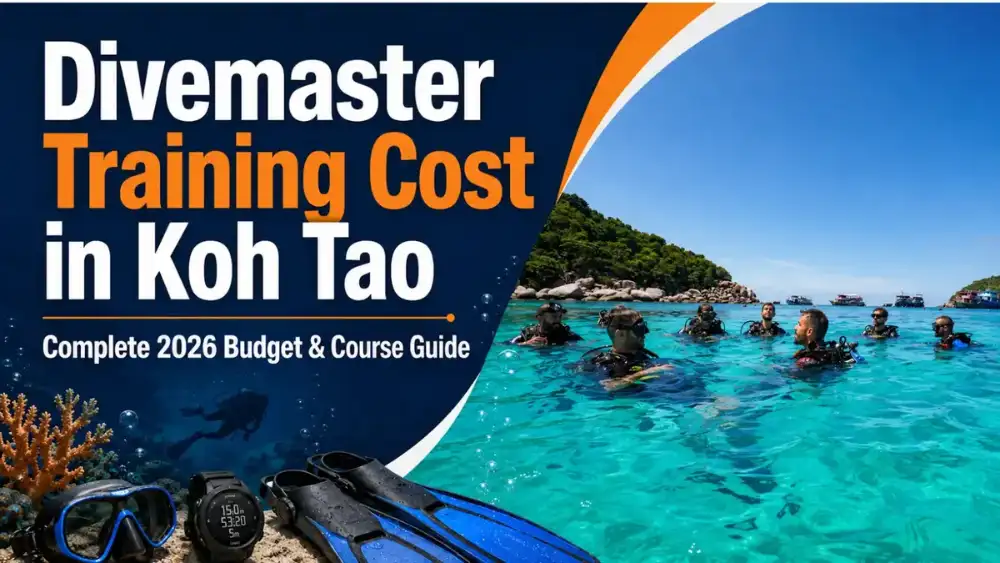
Course fees, accommodation, food, gear, visas and insurance: a realistic line-by-line budget for two months of Divemaster training in Koh Tao, plus what a good course fee should include.
 Features
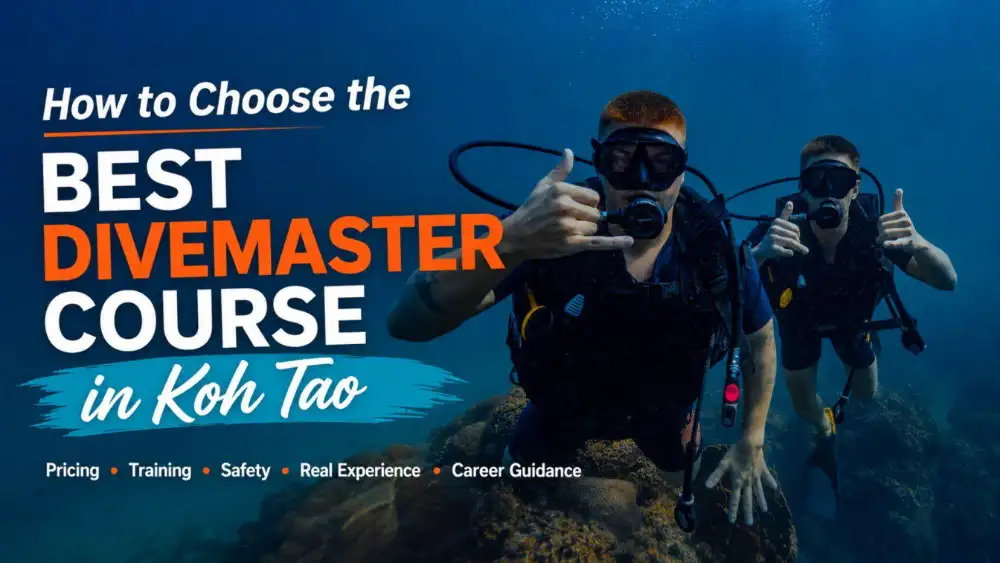
Fifteen practical checks — inclusions, hidden costs, course length, PADI vs SSI vs RAID pathways, mentorship and career support — to compare Divemaster courses in Koh Tao before you pay a deposit.
 Features
What fair instructor pay looks like on Koh Tao — La Bombona Diving's per-course rates, the benefits beyond base pay, the rising cost of living and the career paths that make diving a sustainable profession.
Message us on WhatsApp — courses, fun dives and honest advice about Koh Tao.
Chat on WhatsApp