How adding marine biology to your divemaster training in Koh Tao turns you into a better guide and a conservation advocate — species identification, behaviour observation, citizen science and career paths.
7 April 2025 · updated 17 March 2026 · by Bryan Roseman
Key takeaways
- Learn to identify 50+ marine species and understand their ecological roles
- Contribute to conservation research through citizen science data collection
- Develop skills for careers in marine conservation and scientific diving
- Lead educational dives that inspire environmental awareness
- Master sustainable diving practices that protect marine ecosystems
Marine biology for divers represents the perfect fusion of adventure and science in Koh Tao’s underwater paradise. Rather than simply learning dive leadership skills, this enhanced divemaster training incorporates comprehensive marine science education that transforms you into both a skilled professional and an ocean conservation advocate.
This guide explores how marine biology for divers enhances traditional divemaster certification, what you’ll discover about Koh Tao’s marine ecosystems, and how this specialised knowledge can launch your career in marine conservation or scientific diving.
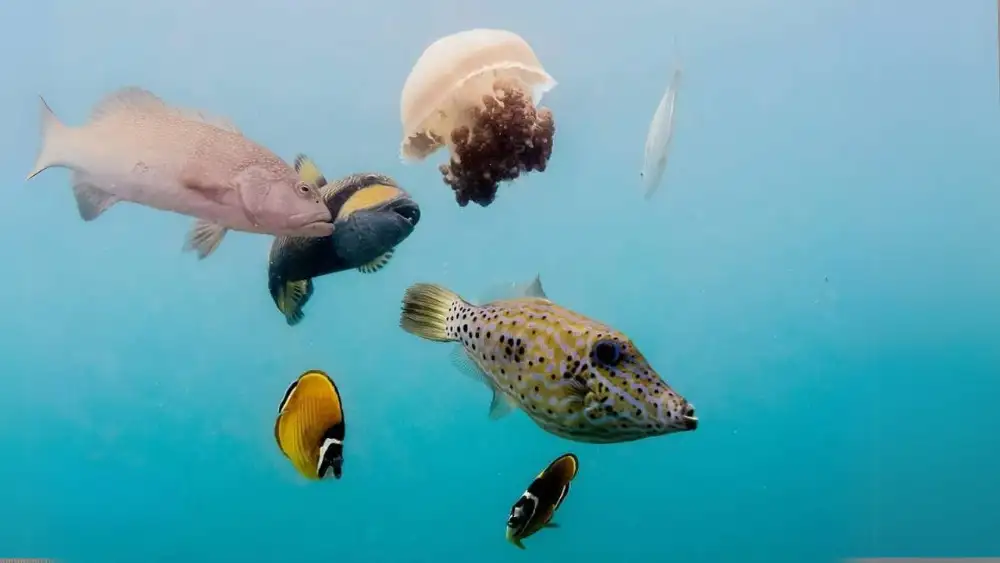
Marine biology for divers goes beyond basic fish identification – it provides the scientific framework for understanding complex underwater ecosystems. Koh Tao’s diverse marine environments offer an exceptional classroom where divemasters can study coral reef dynamics, predator–prey relationships and conservation challenges first-hand.
Hard and soft coral communities supporting hundreds of fish species, invertebrates and other marine life in complex symbiotic relationships.
Underwater mountain formations creating diverse microhabitats and serving as cleaning stations for larger marine species.
Pelagic environments where divers encounter schooling fish, rays and occasional whale shark sightings.
Seemingly barren areas that host specialised species like garden eels, flatfish and various invertebrates.
Effective marine biology for divers training encompasses multiple scientific disciplines that enhance your understanding of underwater environments. This knowledge transforms routine dives into educational experiences for guests while contributing to conservation efforts.
Mastering species identification forms the foundation of marine biology for divers education. In Koh Tao’s waters, you’ll learn to recognise and understand the ecological roles of diverse marine inhabitants:
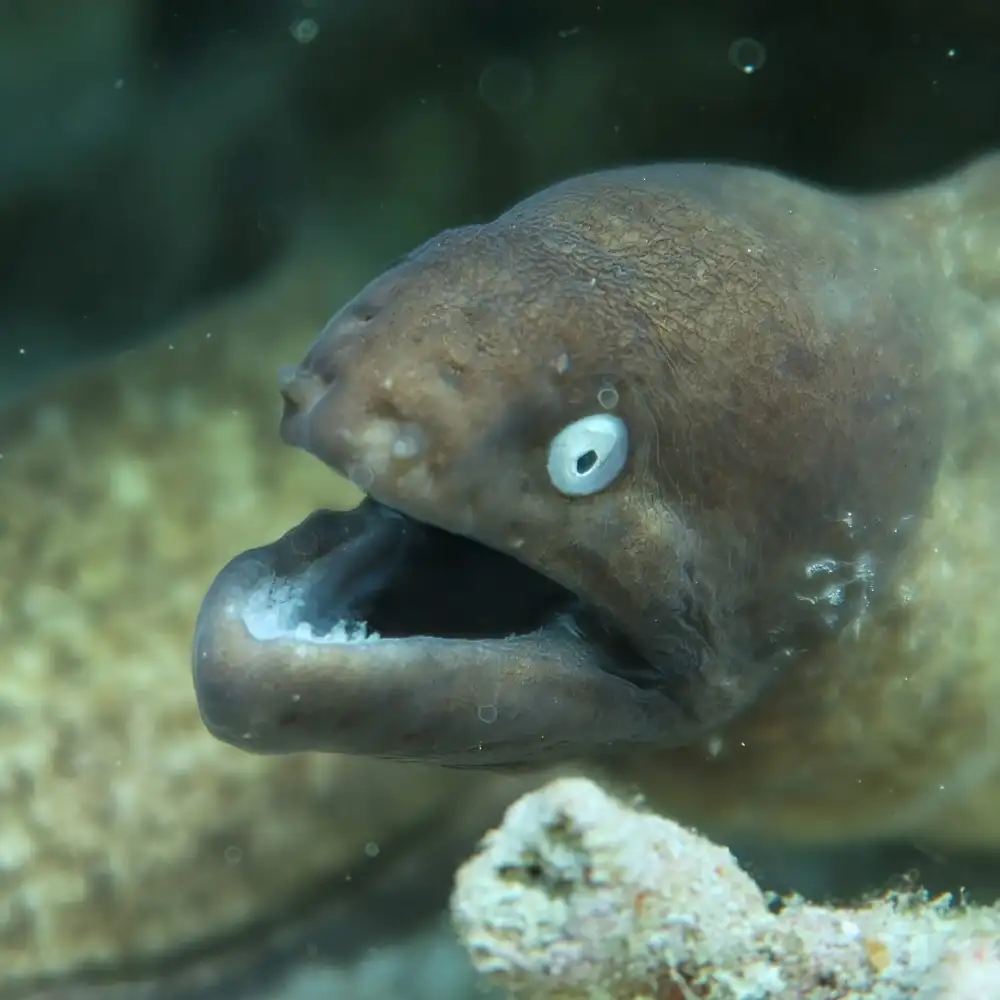
Advanced marine biology for divers training teaches you to observe and interpret animal behaviours beyond basic identification. Understanding feeding patterns, territorial displays, mating rituals and stress responses helps you guide divers responsibly while gathering valuable scientific data for conservation research.
Tip. Behavioural indicators. Learn to recognise the signs of healthy versus stressed marine life. Bright colours, active feeding and normal swimming patterns indicate healthy animals, while pale coloration, lethargy or unusual positioning may signal environmental stress or disease.
| Metric | Figure |
|---|---|
| Active conservation projects | 15+ |
| Coral fragments planted | 1,000+ |
| Species monitored | 50+ |
| Days of data collection | 365 |
Marine biology for divers training includes comprehensive participation in ongoing research projects. These citizen science initiatives allow certified divemasters to contribute meaningful data while enhancing their scientific knowledge:
Note. Data collection standards. Scientific data collection requires precision and consistency when applying marine biology for divers principles. Proper training teaches standardised protocols for recording observations, ensuring your contributions meet research standards and provide valuable information for ongoing conservation efforts in Koh Tao’s marine environments.
Professional divemasters trained in marine biology for divers use specialised equipment to enhance their observation capabilities and contribute effectively to research efforts:
Combining divemaster certification with marine biology for divers expertise opens diverse career opportunities in conservation, research and environmental education:
Your marine biology for divers certification provides a strong foundation for advanced education in marine sciences. Many professionals pursue specialised degrees, marine resource management programmes or advanced certifications in underwater research techniques, building on the practical diving experience gained during optimal diving conditions in Koh Tao.
Marine biology for divers knowledge fundamentally transforms how you approach dive leadership and environmental stewardship. Understanding ecosystem fragility through scientific training helps you implement and teach sustainable practices that protect the environments you explore:
Ready to turn your diving passion into scientific expertise? La Bombona Diving’s Divemaster course integrates marine biology for divers education with professional dive leadership training: 2 months of intensive training with unlimited ocean diving, hands-on species identification and ecosystem education, participation in active conservation projects and career guidance, for 40,000 ฿.
Koh Tao's rich biodiversity, clear waters and extensive coral reef systems create an ideal natural laboratory for marine biology studies. The island hosts over 250 coral species and countless fish species within easily accessible dive sites, providing unmatched learning opportunities for divers and marine scientists. The island's commitment to marine conservation also supports ongoing research and education programmes. For those planning to visit, understanding transportation options helps ensure you arrive ready for your marine biology education.
Divers minimise their environmental impact through perfect buoyancy control to avoid reef contact, awareness of their equipment to prevent damage, never touching or feeding marine life, and participating in conservation activities like clean-up dives. Marine biology training teaches specific techniques for responsible wildlife observation and interaction.
Marine biology for divers training develops enhanced species identification abilities, an understanding of marine ecosystem dynamics, skills in underwater data collection for citizen science projects, knowledge for leading conservation-focused dive groups, and insight into the environmental issues affecting marine life together with practical conservation solutions.
Yes. Specialised marine biology for divers courses include underwater naturalist programmes, coral identification workshops, fish ecology courses, marine conservation techniques and scientific diving certifications. These complement divemaster training with focused marine biology education tailored specifically for diving professionals.
Divemasters can engage in coral reef monitoring and restoration, marine species population surveys, water quality assessments, beach and underwater clean-up operations, citizen science data collection and educational outreach programmes promoting marine conservation awareness.
Absolutely. Marine biology for divers certification provides an excellent foundation for careers in marine research, conservation education, environmental consulting, marine park management and scientific diving. Many professionals use this practical experience as a stepping stone to advanced marine biology degrees and research positions in academic or conservation organisations.
More in Features
 Features
Course fees, accommodation, food, gear, visas and insurance: a realistic line-by-line budget for two months of Divemaster training in Koh Tao, plus what a good course fee should include.
 Features
Fifteen practical checks — inclusions, hidden costs, course length, PADI vs SSI vs RAID pathways, mentorship and career support — to compare Divemaster courses in Koh Tao before you pay a deposit.
 Features
What fair instructor pay looks like on Koh Tao — La Bombona Diving's per-course rates, the benefits beyond base pay, the rising cost of living and the career paths that make diving a sustainable profession.
Message us on WhatsApp — courses, fun dives and honest advice about Koh Tao.
Chat on WhatsApp