Hostels, long-term rentals or resorts? Where to live during your 60-day Divemaster course in Koh Tao — costs, the best areas, the facilities that matter and how to book smart.
30 March 2025 · updated 17 March 2026 · by Bryan Roseman
In short. Living arrangements during Divemaster training in Koh Tao range from 300 ฿/night hostel dorms to 40,000 ฿/month luxury villas. Most trainees choose long-term rentals costing 8,000–20,000 ฿ a month, offering the perfect balance of comfort, community and convenience near dive schools. Your choice significantly impacts both your training experience and your budget.
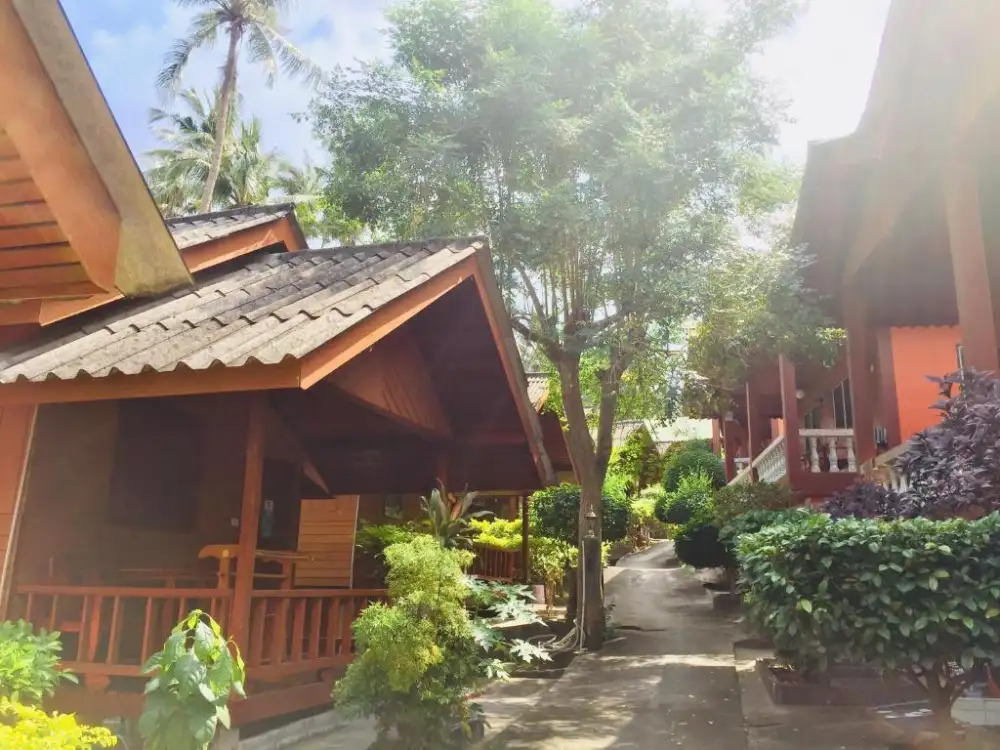
Selecting the right living arrangements during Divemaster training in Koh Tao is crucial for your success and overall experience. Your living situation affects everything from your study environment and social connections to your daily commute and monthly budget. With training lasting 60 days, finding the perfect balance between comfort, cost and community becomes essential for this life-changing journey toward becoming a professional divemaster.
This guide covers every living arrangement option available to Divemaster trainees, from budget-friendly hostels to luxury resorts, helping you make an informed decision that supports your professional development goals.
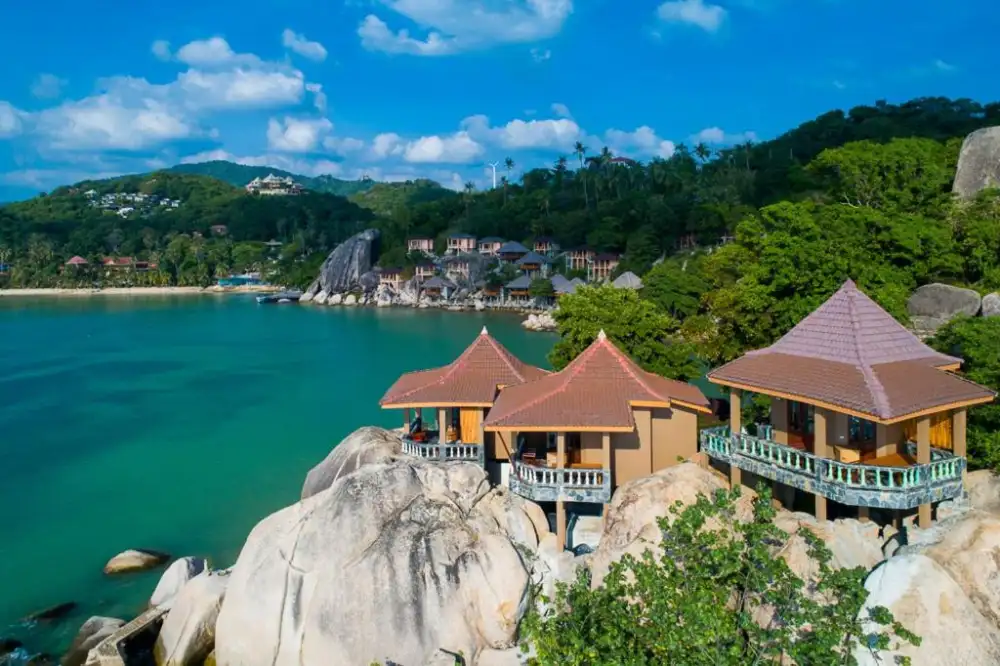
300–800 ฿ per night
Best for: budget-conscious trainees who enjoy socialising
Monthly cost: 9,000–24,000 ฿
8,000–20,000 ฿ per month
Best for: trainees wanting privacy and stability
Most popular choice among serious trainees.
20,000+ ฿ per month
Best for: trainees who want luxury during training
Training feels like a vacation.
Add up these four lines to estimate your monthly expenses for Divemaster training in Koh Tao:
The total is your monthly living cost for the 60-day Divemaster programme.
Budget tip. Most trainees find the best value in long-term rentals with shared kitchen facilities.
Proximity to your dive school significantly impacts your daily routine and training effectiveness. Koh Tao’s main areas offer different advantages for Divemaster trainees:
When evaluating living arrangement options, prioritise facilities that support your intensive training schedule:
| Facility | Importance | Why it matters | Alternative solutions |
|---|---|---|---|
| Reliable Wi-Fi | Essential | Online theory study, research, communication | Internet cafés, dive school Wi-Fi |
| Gear drying area | Very important | Daily equipment maintenance and hygiene | Balcony, bathroom, outdoor space |
| Quiet study space | Very important | Theory preparation and exam studying | Library, dive school study areas |
| Kitchen access | Important | Budget management, healthy eating | Local restaurants, meal plans |
| Air conditioning | Important | Quality sleep after physical training | Fan cooling, natural ventilation |
| Secure storage | Important | Valuable equipment and documents | Lockers, safe at the dive school |
Book 2–4 weeks in advance during peak season (March–September). For low-season training, 1–2 weeks’ notice is usually sufficient. Early booking secures better options and rates.
For 60-day Divemaster programmes, negotiate monthly rates rather than daily. Many properties offer 10–20% discounts for commitments of 2+ months, significantly reducing your total costs.
Many dive schools have partnerships with local accommodation offering student discounts. Ask your chosen school about preferred lodging options before booking independently.
Always inspect the room, test the Wi-Fi speed, check the hot water and verify all promised amenities before signing contracts. Take photos of existing damage to avoid deposit disputes.
Read rental agreements carefully. Note deposit requirements (typically one month’s rent), utility arrangements (10 ฿/unit electricity, 200 ฿/unit water) and cancellation policies.
Choose living arrangements that make it easy to meet other trainees and dive professionals. The connections you make often lead to future job opportunities and lifelong friendships.
Warning: hidden costs to watch for. Budget for additional expenses beyond advertised rates: utility bills (electricity can be high with A/C use), cleaning fees, motorbike rental for commuting and potential early departure penalties. Always clarify what’s included in quoted prices to avoid surprises.
Living arrangement costs and availability fluctuate significantly with Koh Tao’s seasonal patterns:
Many trainees find shoulder season offers the best combination of reasonable prices, good weather and enough living arrangement options for the 60-day Divemaster programme.
Ready to begin your professional diving career in Koh Tao? La Bombona Diving offers a comprehensive 60-day Divemaster course (40,000 ฿) with unlimited ocean diving throughout training, small groups, experienced multilingual instructors, flexible start dates year-round and job placement assistance after certification. Our team also helps trainees find suitable living arrangements and shares insider knowledge about the best areas for Divemaster students, because we know your living situation directly affects how well your training goes.
Contact your dive school first for accommodation partnerships and recommendations. Join Koh Tao Facebook groups and online forums for current deals from fellow divers. Consider arriving a few days early to explore options in person, as the best deals often aren't advertised online. Negotiate long-term rates for your 60-day training period.
Living with other trainees offers significant benefits, including study groups, shared resources, networking opportunities and emotional support during challenging training phases. However, if you need absolute quiet for studying or value privacy highly, solo accommodation might suit you better. Many successful divemasters credit their housemates with enhancing their training experience.
Essential facilities include reliable Wi-Fi for online study, space for gear drying and storage, quiet areas for study and rest, and proximity to your dive school. Kitchen access helps manage food costs during the 60-day programme. Air conditioning is important for quality sleep after intensive training days.
Yes, and it's recommended, especially during peak season. Many places offer online booking, and securing your spot removes arrival stress. However, check cancellation policies in case plans change. Some trainees book the first week online and then explore local options after arrival.
Common additional costs include utility bills (electricity around 10 ฿/unit, water around 200 ฿/unit), security deposits (typically one month's rent), cleaning fees and motorbike rental for commuting. Always request a complete breakdown of all costs before signing rental agreements to avoid surprises during your training.
Many dive schools have partnerships with local accommodation offering student discounts or package deals. Some schools provide on-site accommodation or dormitory-style lodging specifically for trainees. These packages often provide better value and convenience, making them worth considering for your 60-day programme.
More in Features
 Features
Course fees, accommodation, food, gear, visas and insurance: a realistic line-by-line budget for two months of Divemaster training in Koh Tao, plus what a good course fee should include.
 Features
Fifteen practical checks — inclusions, hidden costs, course length, PADI vs SSI vs RAID pathways, mentorship and career support — to compare Divemaster courses in Koh Tao before you pay a deposit.
 Features
What fair instructor pay looks like on Koh Tao — La Bombona Diving's per-course rates, the benefits beyond base pay, the rising cost of living and the career paths that make diving a sustainable profession.
Message us on WhatsApp — courses, fun dives and honest advice about Koh Tao.
Chat on WhatsApp