Experience, safety standards, instructor qualifications, equipment, course range, pricing and service — the factors that separate a great Koh Tao dive provider from an average one, with a checklist to use before you book.
26 February 2026 · updated 27 February 2026 · by Bryan Roseman
Key takeaways
- Choosing the right dive provider directly impacts your safety, comfort and overall dive experience.
- Reputable dive centres stand out through proven experience, strong reviews and international certifications.
- Qualified, certified instructors and well-maintained equipment are non-negotiable for safe diving.
- A wide range of courses and access to diverse dive sites allow you to grow confidently as a diver.
- Transparent pricing and responsive customer support reflect a provider’s professionalism and reliability.
Selecting the right dive provider in Koh Tao, Thailand, is more than a simple booking choice; it significantly influences your safety, skill development and overall diving experience. With so many dive schools claiming to be the best dive providers, taking the time to research before you choose a dive provider becomes essential, as it can mean the difference between an unforgettable adventure and a stressful one.
A well-researched decision ensures proper dive safety, access to globally recognised dive courses, and guidance from professionals who genuinely care about your underwater journey. Whether you’re taking your first breath underwater or upgrading your certification, the right provider enhances every moment you spend below the surface.
This guide highlights the key factors to consider, helping you choose the right dive provider with confidence.
Not all dive centres are created equal. The best dive providers in Koh Tao stand out by combining experience, strong safety standards, qualified instructors, high-quality gear and excellent customer service.
When these factors work together, they create a smooth, enjoyable and safe diving experience, especially in popular destinations like Koh Tao.
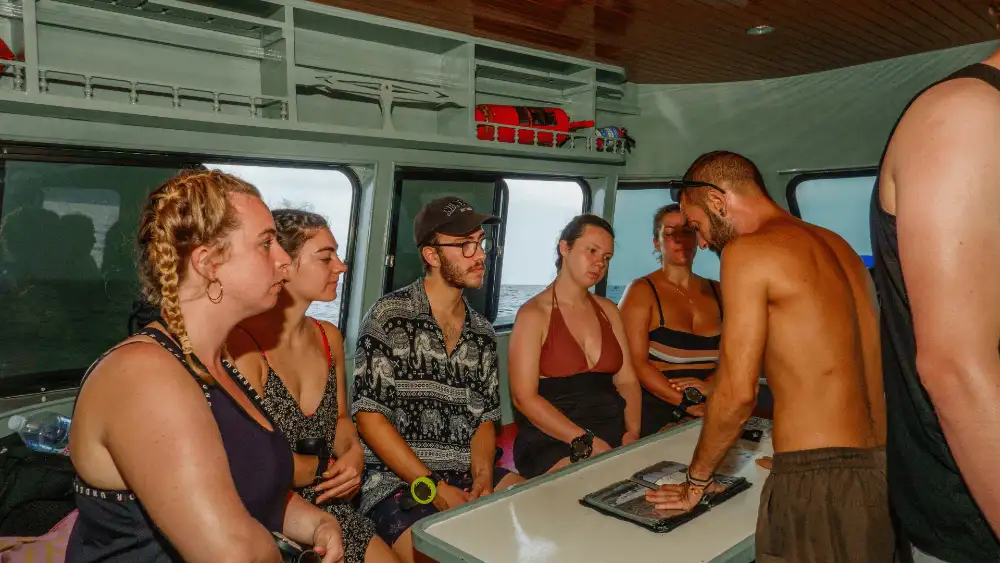
The experience of a dive provider reflects years of handling real underwater conditions, meeting diverse student needs and managing unexpected situations. This long-term experience enables a reliable dive school to implement well-tested systems that prioritise diver safety.
A provider’s reputation grows from genuine feedback and consistently signals strong safety standards, ethical teaching and memorable diving experiences.
When choosing a dive provider, evaluating their reputation is essential for safety and quality. A reliable dive school with a strong track record and positive feedback reflects the experience of the dive provider and ensures a trustworthy, reputable diving school.
Before booking, verify these essential indicators of reputable diving schools:
| What to check | Why it matters |
|---|---|
| Google & TripAdvisor reviews | Reflects real customer experiences |
| Years in operation | Indicates operational stability |
| Industry affiliations | Shows professional credibility |
| Instructor turnover rate | Consistency improves safety |
| Online transparency | Trustworthy providers share clear information |
A reputable provider not only follows international safety protocols but also maintains thorough emergency action plans and operates under globally recognised dive certifications.
Organisations such as PADI and SSI adhere to ISO dive training standards, including ISO 24801-2 and ISO 24802, which provide consistent safety and training benchmarks for recreational divers and instructors.
In fact, according to the National Oceanic and Atmospheric Administration (NOAA), following proper training procedures and conducting regular equipment checks has been shown to significantly reduce diving-related incidents.
| Certification agency | Global recognition | Safety standards | Best for |
|---|---|---|---|
| PADI | Worldwide | Very high | Beginners to pros |
| SSI | Worldwide | Very high | Flexible learning |
| CMAS | International | High | Club-based divers |
International certifications matter most when combined with regular equipment servicing, emergency drills and low student-to-instructor ratios.
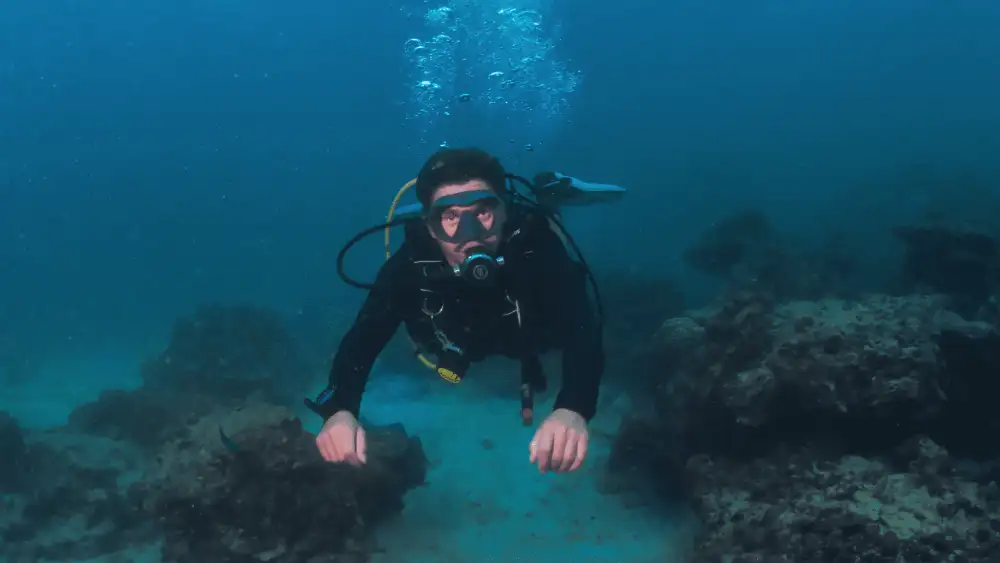
A certified dive instructor is at the heart of every great diving experience. Properly trained instructors do more than teach skills; they guide you with confidence, manage risks effectively and ensure every dive is enjoyable.
Those certified through recognised Instructor Development Programs (IDP) undergo rigorous training in teaching, rescue techniques and performance evaluation, providing the highest standard of instruction.
You can learn more about professional instructor pathways here: Teach others your passion with our Instructor Development Program (IDP).
The best dive instructors in Koh Tao, Thailand, combine thousands of logged dives with strong communication skills, ensuring safe learning and unforgettable underwater moments.
High-quality, well-maintained diving gear is essential for both comfort and safety, as poorly serviced or faulty equipment is a leading cause of dive discomfort and accidents worldwide. Top dive providers understand this, which is why they invest in premium gear and follow strict maintenance schedules to ensure every piece functions reliably.
For a complete guide on essential scuba gear, visit: Essential Scuba Diving Gear.
When evaluating a dive provider, make sure to check the following key equipment:
A quality dive provider offers structured learning paths for every level, ensuring that both first-time divers and experienced professionals can find a course that suits their goals. The variety of scuba diving programs reflects the provider’s instructional expertise and commitment to safety and skill development.
You can explore all available certifications here: Explore our Koh Tao diving courses.
Available course types:
1. Beginner dive courses
2. Advanced dive certifications
While the cost of a dive course matters, true value comes from quality instruction, well-maintained equipment, insurance and strict safety standards. Prices vary based on instructor ratios, equipment, certifications and included dives.
Comparing different dive providers helps you choose the package that offers the best combination of safety, quality and experience.
Explore options here: see our courses and dive packages.
| Dive provider | Package type | Inclusions | Price (USD) | Value indicator |
|---|---|---|---|---|
| Example provider A | Standard package | Full gear + guided dives | $350 | Balanced value |
| Example provider B | Premium experience | Small groups + extra services | $500 | Best overall |
| Example provider C | Budget course | Basic training only | $250 | Limited support |
A dive provider’s location plays a crucial role in shaping your underwater experience, as proximity to diverse reefs allows instructors to tailor dives to different skill levels, conditions and marine life encounters.
Koh Tao, for example, offers over 25 unique dive sites, ranging from calm shallow coral gardens perfect for beginners to advanced pinnacles that challenge experienced divers. Choosing a provider with access to a variety of dive sites ensures you can explore the best of Koh Tao diving while enjoying safe and memorable dives.
Discover the top sites here: Top Dive Sites Koh Tao.
Excellent customer service is key to a smooth, enjoyable diving experience, reducing stress before and after your dives. From pre-dive guidance and booking assistance to on-site support and post-dive care, a supportive dive team ensures every step of your journey is seamless.
Top-rated customer service makes your dive hassle-free — from check-in to post-dive care.
Learn more and access FAQs here: let us solve your doubts.
Before booking a scuba dive in Koh Tao, make sure every aspect of your experience is carefully evaluated. From the provider’s experience to equipment quality, each factor impacts your safety, enjoyment and growth as a diver.
Use the checklist below to confirm your dive provider meets all essential standards for a safe and memorable adventure:
| Consideration | Why it’s important |
|---|---|
| Experience & reputation | Providers with proven experience and a strong reputation ensure trust, reliability and consistent safety practices. |
| Certifications | Internationally recognised certifications guarantee that courses meet global safety and training standards. |
| Instructor qualifications | Highly qualified instructors improve learning outcomes, manage risks effectively and enhance your overall dive experience. |
| Equipment quality | Well-maintained, high-quality equipment ensures comfort, reliability and safety throughout your dives. |
| Course variety | A wide range of courses allows you to progress and choose programs that match your skill level and goals. |
| Pricing transparency | Clear and fair pricing ensures you get true value for money without hidden costs or compromises on quality. |
| Location & dive sites | Convenient locations with diverse dive sites provide flexibility and the opportunity to explore different underwater environments. |
| Customer support | Supportive staff before, during and after dives make the experience smooth, stress-free and enjoyable. |
Choosing the right dive provider in Koh Tao means considering experience, certifications, instructor expertise, equipment quality, courses and service. Careful research and comparison ensure safety, skill development and a rewarding diving experience.
Explore your options thoughtfully to make an informed choice and enjoy an unforgettable underwater adventure.
The 120 rule helps divers stay within no-decompression limits by keeping depth (in feet) plus bottom time (in minutes) within safe ranges. It also highlights the need to wait 12–24 hours after diving before flying to reduce the risk of decompression sickness.
Reputable dive providers follow regular servicing, inspection schedules and manufacturer guidelines. Professional Koh Tao dive centres maintain equipment to international safety standards for reliability and comfort.
Diving course prices in Koh Tao range from mid-range to premium, depending on course type and inclusions. Smaller groups, experienced instructors and quality equipment often provide better overall value.
Bring swimwear, sunscreen, reef-safe toiletries and any personal dive gear you prefer. For a complete overview, use this guide: What to Pack for Your Koh Tao Trip: Complete Travel Checklist, ensuring you're prepared both on and off the boat.
Check for international certifications, emergency action plans and low instructor-to-student ratios. Quality dive centres prioritise thorough briefings, safety checks and attentive supervision.
Well-established Koh Tao dive providers typically access 20+ dive sites around the island. This allows flexibility to choose the best locations based on conditions and diver experience.
More in Diving Tips
 Diving Tips
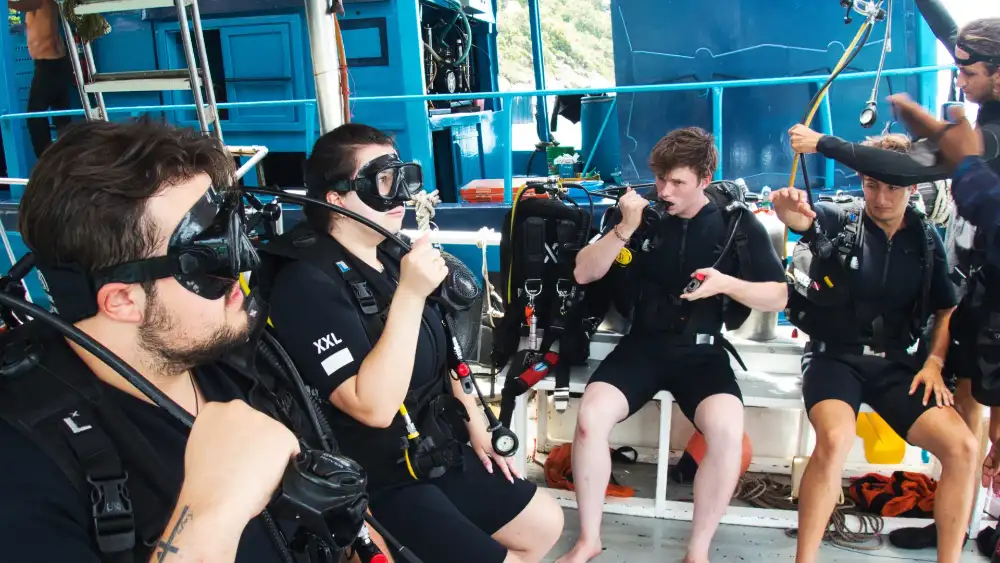
Depth, breathing, training, safety, equipment and cost compared side by side, so you can decide whether a snorkel afternoon, a Try Dive or a full Open Water course is the right fit for your Koh Tao trip.
 Diving Tips
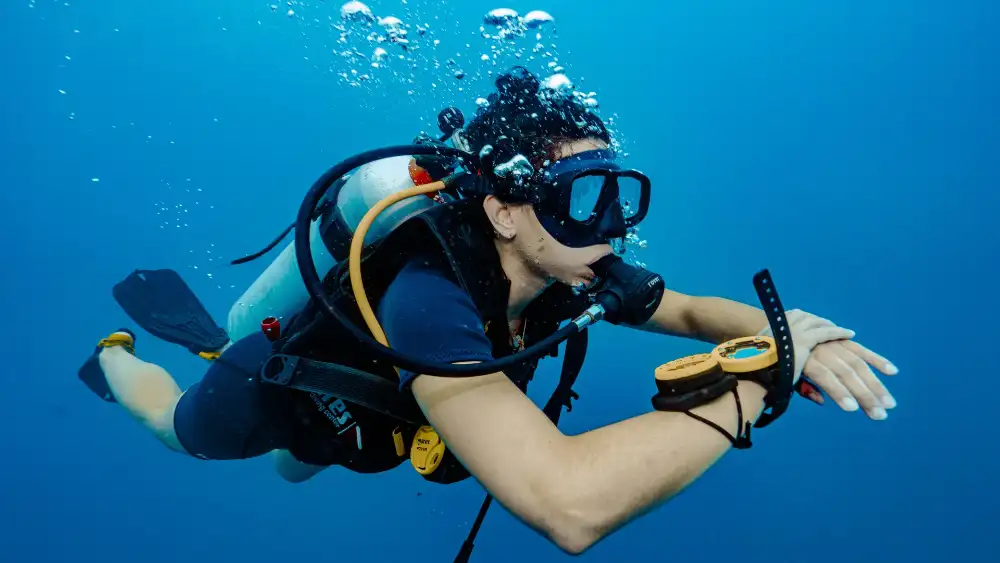
An Open Water course in Koh Tao usually takes three to four days — but the advertised number of days tells only part of the story. Here is what actually fills those days, why schedules differ between dive schools, and how to plan your stay around the course.
 Diving Tips
PADI, RAID and SSI compared across the whole training pathway — Open Water, advanced, rescue, specialities, Divemaster, instructor and technical — plus what actually decides the quality of your course in Koh Tao.
Message us on WhatsApp — courses, fun dives and honest advice about Koh Tao.
Chat on WhatsApp