How scuba certification levels are structured, from Open Water to instructor, what each one lets you do, and how to pick the right course for your goals.
26 February 2026 · updated 25 June 2026 · by Bryan Roseman
Key takeaways
- Understand how scuba certification levels are structured, from beginner courses to advanced, rescue and professional pathways.
- Learn how different certification systems differ in depth, requirements and training styles.
- Discover the key factors that affect certification eligibility, including age, fitness, experience level and diving goals.
- Explore the benefits of higher certifications, such as improved safety skills, access to deeper dive sites and career opportunities.
- Get practical guidance on choosing the right diving certification based on your experience, interests, time availability and long-term underwater ambitions.
Scuba diving in Koh Tao opens the door to a world unlike any other, from vibrant coral gardens and marine life to the peaceful silence beneath the surface. Before taking that first plunge, obtaining a diving certification is essential, as it provides the foundation for safety, confidence and proper technique. Certification is more than a formality: it prepares divers for a wide range of underwater experiences.
Whether you are planning your first reef dive or aiming to explore deep wrecks, understanding the importance of certification ensures you are fully prepared. Proper training equips you with the knowledge, practical skills and safety awareness needed to dive with confidence. By progressing through structured scuba certification levels, divers gradually build competence, expand depth limits and unlock safer, more rewarding underwater adventures.
This emphasis on certification is supported by real safety insights. According to the Divers Alert Network (DAN), many recreational diving incidents involve inexperienced or inadequately trained divers, highlighting the critical role of structured education in maintaining diver safety.
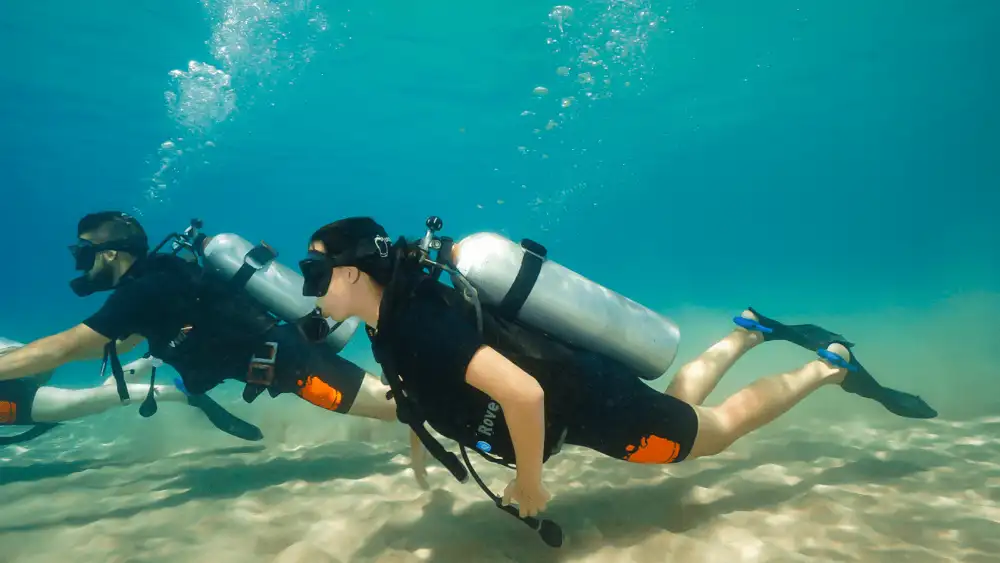
Before choosing a scuba course, it’s important to understand the major diving certification agencies recognised worldwide. While each agency follows its own training structure, all adhere to international safety standards and offer globally accepted qualifications. The main differences usually lie in learning style, course flexibility and depth limits.
| Agency | Entry course | Minimum age | Max depth | Course duration | Recognition |
|---|---|---|---|---|---|
| PADI | Open Water Diver | 10 yrs | 18 m | 3–4 days | Worldwide |
| SSI | Open Water Diver | 10 yrs | 18 m | 3–4 days | Worldwide |
| RAID | Open Water | 10 yrs | 18 m | 3–4 days | Worldwide |
| NAUI | Scuba Diver | 10 yrs | 18 m | 4–5 days | Worldwide |
| SDI | Open Water Diver | 10 yrs | 18 m | 3–4 days | Worldwide |
| CMAS | One Star Diver | 14 yrs | 20 m | 4–5 days | Global |
| BSAC | Ocean Diver | 12 yrs | 20 m | Flexible | UK + international |
With globally recognised agencies like PADI, scuba certifications are trusted worldwide. In fact, PADI alone certifies over 1 million divers every year, highlighting how widely accepted structured dive training has become. Each certification comes with its own prerequisites, depth limits and training style, so choosing the right one ultimately depends on your diving goals, learning preferences and experience level.
Note. Curious about which certification suits you best? Dive deeper into the differences here: PADI or RAID?
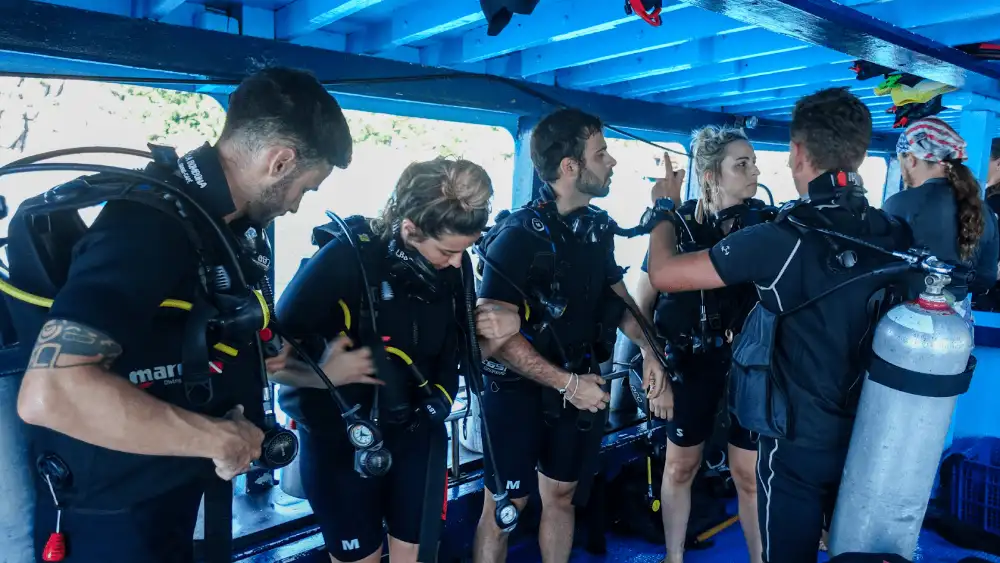
Scuba diving levels follow a progressive path, starting with beginner certifications and advancing to professional and instructor qualifications. As divers gain experience, they unlock deeper dive limits, stronger safety skills and leadership opportunities.
Below is a breakdown of the most common diving qualifications based on course level.
These beginner courses introduce foundational dive skills and safety practices.
Advanced scuba diving levels expand depth limits and introduce specialty experiences.
These certifications develop problem-solving skills and emergency readiness underwater.
Professional diving qualifications open doors to leadership and career pathways.
Note. Looking to turn your passion into a profession? Discover training options here: Explore our Koh Tao diving courses
Instructor certifications allow divers to teach and certify new students.
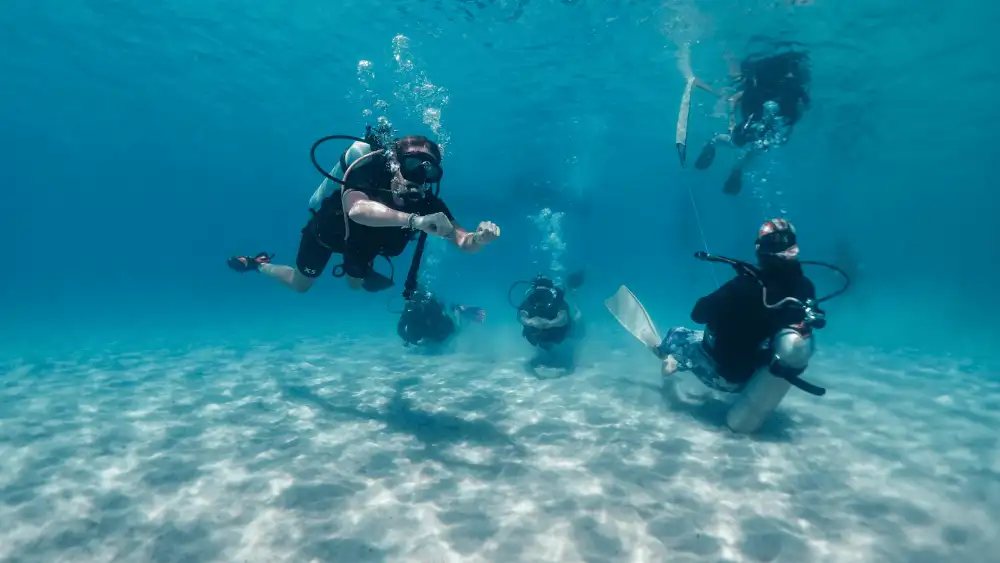
Not every diver progresses at the same pace. Several factors affecting diving certification determine which courses you can take and how quickly you advance. Understanding these requirements helps you choose the right training path based on your personal readiness and diving goals.
Tip. Choosing the right course should always align with your experience, comfort level and long-term diving goals. For detailed safety insights, read this guide: Essential Dive Safety Protocols & Course Tips
Advancing beyond beginner levels unlocks more than just deeper dives. Higher certifications build confidence, sharpen essential skills and open the door to new underwater experiences. Whether you dive for adventure or career growth, progressing through advanced scuba courses adds long-term value to your journey.
Note. Higher-level certifications do not just expand your depth limits; they elevate your confidence, sharpen your skills and give you the freedom to explore the underwater world with greater control and purpose.
With several scuba diving levels available, choosing a diving certification can feel overwhelming at first. The right course depends on your current experience, the type of diving you want to explore and how much time you can commit. Taking these factors into account helps you select the best scuba courses for your personal goals.
Current skill level
Desired type of diving experience
Budget and time availability
Choosing a diving certification should always align with your comfort level, schedule and long-term diving ambitions.
Your scuba journey in Koh Tao begins with choosing the right certification level. Whether you are dreaming of your first reef dive or working toward becoming a professional dive leader, selecting the appropriate course builds the foundation for safety, confidence and unforgettable underwater experiences.
At La Bombona Diving Koh Tao, experienced instructors guide divers through every stage, from beginner certifications to professional-level training. With structured scuba diving levels and supportive instruction, you can progress at a pace that matches your goals.
Note. Start scuba diving, earn your certification and explore some of the best dive sites in Thailand with one of the leading diving schools in Koh Tao. Ready to take the plunge? Contact our team and start your diving journey today.
Most scuba certification programmes allow children to start training from 10 years old, depending on the agency and course type.
| Certification level | Minimum age | Notes |
|---|---|---|
| Junior Open Water | 10 years | Depth limits apply for younger divers |
| Standard Open Water | 15 years | Full certification without junior restrictions |
| Advanced certifications | 12–15 years | Varies by agency and prerequisites |
| Professional levels | 18 years | Required for Divemaster and Instructor programmes |
Yes, but only under controlled conditions such as try dive experiences conducted by certified instructors. These introductory dives allow beginners to try scuba without full certification but come with strict supervision and depth limits.
For independent diving, international safety standards require a valid certification card to ensure you understand dive planning, equipment use and underwater safety protocols.
Both PADI and RAID are globally recognised diving certification agencies, but they differ slightly in their structures and learning approaches.
If you want a deeper comparison of training style, recognition and benefits, read here: PADI or RAID?
No prior diving experience is required, but basic swimming ability is recommended.
| Requirement | Details |
|---|---|
| Swimming skills | Ability to swim 200 metres and float for 10 minutes (varies slightly by agency) |
| Water comfort | Confidence in open water is helpful but not mandatory |
| Previous water sports | Not required for beginner certifications |
The number of training hours depends on the certification level and learning format.
Modern courses often include online theory modules, allowing flexible self-paced learning before practical sessions begin.
The timeline varies based on the course level and your availability.
Some divers complete multiple certifications during extended dive trips, especially in destinations known for intensive training programmes.
Becoming a professional diver requires progressing through multiple certification stages and gaining real dive experience. Typical path:
Many divers begin their professional journey through structured training programmes at destinations like La Bombona Diving Koh Tao. Learn more about the professional path here: Become a pro diver.
Costs vary depending on the certification level, destination and included training materials.
| Certification type | Estimated cost range | Notes |
|---|---|---|
| Beginner certifications | $300–$500 | Includes theory, equipment and dives |
| Advanced courses | $250–$400 | Often bundled with specialities |
| Rescue Diver | $350–$600 | Includes first aid training |
| Professional programmes | $1,000+ | Depends on duration and internship-style training |
Many dive schools offer package deals that combine accommodation, equipment rental and multiple certifications.
Yes, divers must complete a medical questionnaire before starting training. Most healthy individuals can dive safely, but certain conditions may require a doctor's approval. Common considerations include:
If unsure, a quick medical check ensures you can safely enjoy diving without unnecessary risks.
Scuba diving offers a wide variety of activities beyond standard recreational dives. Popular diving experiences include:
You can explore different underwater adventures here: Experience the best of Koh Tao with our dive activities.
More in Diving Tips
 Diving Tips
Depth, breathing, training, safety, equipment and cost compared side by side, so you can decide whether a snorkel afternoon, a Try Dive or a full Open Water course is the right fit for your Koh Tao trip.
 Diving Tips
An Open Water course in Koh Tao usually takes three to four days — but the advertised number of days tells only part of the story. Here is what actually fills those days, why schedules differ between dive schools, and how to plan your stay around the course.
 Diving Tips
PADI, RAID and SSI compared across the whole training pathway — Open Water, advanced, rescue, specialities, Divemaster, instructor and technical — plus what actually decides the quality of your course in Koh Tao.
Message us on WhatsApp — courses, fun dives and honest advice about Koh Tao.
Chat on WhatsApp