Everything a first-time visitor needs to plan a dive trip to Turtle Island — how to get here, how to pick a dive school, the seasons, the must-dive sites, safety and conservation, and what to do on land afterwards.
24 June 2024 · updated 14 January 2025 · by Bryan Roseman
Imagine diving into the clear waters of Koh Tao, where the colourful coral reefs amaze you and the fish move in perfect sync. This island is more than just a speck on the globe; it’s a paradise for scuba divers, providing an underwater escapade that enthrals novices and experienced divers alike. With its warm waters and a variety of ecosystems, Koh Tao offers an underwater wonderland that guarantees an exciting dive every time.
Key takeaways
- With over 70 dive schools and a variety of dive sites, Koh Tao is a prime scuba diving destination.
- There are many ways to reach Koh Tao from Bangkok and other major Thai cities.
- When selecting a dive school, consider their safety record, the experience of their instructors and the courses they offer.
- Don’t miss the chance to dive at Shark Island, Sail Rock and Chumphon Pinnacle for an unforgettable underwater adventure.
- Always put safety and marine conservation first during your dives to help preserve Koh Tao’s fragile ecosystem.
Located in the Gulf of Thailand, Koh Tao – also known as ‘Turtle Island’ due to its shape – may be small, but it has a big reputation among divers. Thanks to its affordable dive certification courses, friendly local people and relaxed island atmosphere, Koh Tao is the ideal spot to dive in and discover the wonders of the deep sea.
Koh Tao stands out as a diving paradise due to its amazing biodiversity. Its surrounding waters are teeming with a wide variety of marine life, from the smallest nudibranch to the grand whale shark. The coral formations are not just a home, but a lively, living art piece that captivates every diver. Additionally, Koh Tao’s diving spots are known for their ease of access, making it a perfect spot for both day and night dives.
However, what sets Koh Tao apart is not just its underwater beauty. The island’s dedication to conservation and sustainable diving helps to maintain its natural allure for future generations. As a diver, you can participate in this conservation effort, aiding in the protection of marine life while enjoying it fully.
Starting your Koh Tao diving experience is simple. The island is easy to reach from the mainland and other islands, with a variety of transport options to match your needs and budget. Most visitors choose to fly to Koh Samui before taking a fast ferry to Koh Tao, providing a beautiful and exciting beginning to the trip. Alternatively, you can catch a bus or train from Bangkok to Chumphon or Surat Thani before getting a ferry to the island. No matter which path you take, the journey is all part of the fun, paving the way for the amazing experiences that are waiting for you under the sea. You can also find an airport in Chumphon that’s cheaper to fly to than Koh Samui.
After you’ve landed, the next thing on your agenda should be to pick a dive school. With the sheer number of choices available, it’s important to pick one that meets your needs and guarantees a safe, fun experience. Here are some things you should be on the lookout for. Consider schools that emphasise eco-friendly diving and sustainable practices to ensure that your underwater adventures also contribute positively to the marine environment.
While there are many great dive schools on Koh Tao, some stand out for their exceptional service and dedication to providing the best diving experience. Big Blue Diving is known for its comprehensive courses and professional instructors, while La Bombona Diving offers a more intimate setting with smaller group sizes and personalised attention. Another notable option is the New Heaven Dive School, which places a strong emphasis on conservation and eco-friendly diving practices.
Chumphon Pinnacle is a diver’s paradise located in Koh Tao. It’s an underwater mountain that provides an opportunity to swim with the sea’s gentle giants – whale sharks. The site is decorated with stunning anemones and schools of barracuda, creating a captivating spectacle that is ideal for photographers and nature enthusiasts.
The dive sites in Koh Tao are as varied as they are exciting. Each site has its own unique landscape and the marine life that lives there. From shallow coral gardens that are perfect for those new to diving to deep pinnacles and shipwrecks that provide a challenge for the more advanced, there is something for everyone. Knowing what each dive site offers is key to having a satisfying dive.
Scuba diving in Koh Tao is excellent throughout the year, but it’s at its best from March to October when the sea is calm and visibility is at its best. During these months, marine life is at its most abundant, and the likelihood of seeing whale sharks at Chumphon Pinnacle is very high.
On the other hand, if you prefer a less crowded experience, the low season from November to February is perfect. The sea might be a little rougher, and visibility a bit poorer, but the abundance of marine life and the breathtaking dive sites remain unchanged.
Keep in mind, the Gulf of Thailand can undergo monsoon climate, so it’s always a good idea to check the local weather and predictions before scheduling your dives.
Example: a diver’s log from April – “Visibility was incredible at Chumphon Pinnacle today. We spotted a whale shark and a school of chevron barracuda. The water was warm, and the currents were gentle. Perfect dive conditions!”
Currents can be both a blessing and a curse when it comes to diving. They can bring in clear water and a diverse array of marine life, but they can also make a dive more difficult. At sites like Chumphon Pinnacle, it’s typical to experience mild to moderate currents, which can provide an exciting ride for seasoned divers. For the best diving experience, aim to start your dive up-current, allowing you to drift along the site and conserve energy and air.
Scuba diving is an amazing adventure, but it’s not without its dangers. By placing a premium on safety, you can make sure that every dive is a chance for another dive. Following safety guidelines doesn’t just keep you safe, it also helps to protect the underwater world for years to come.
It’s also important to consider conservation. The underwater ecosystem in Koh Tao is fragile and needs our care and protection. As divers, we have the unique opportunity and duty to reduce our impact and help maintain the biodiversity that makes Koh Tao stand out.
Before diving, always conduct a comprehensive check of your gear. Get to know the dive site and its conditions, and never dive beyond your training or comfort level. It’s also essential to dive with a partner and maintain good buoyancy control to avoid damaging the coral or disturbing marine life.
There’s more to responsible diving than just avoiding contact with coral or pursuing fish. It involves being mindful of your surroundings, controlling your buoyancy to prevent unintentional contact, and adhering to the ‘leave no trace’ principle. Additionally, you can get involved in or back local conservation efforts, such as coral reef rebuilding projects or beach clean-up events.
First and foremost, opt for green diving companies that place a high value on sustainability. These companies often support conservation initiatives and promote environmentally friendly habits, like using coral-safe sunscreen and minimising plastic waste.
Scuba diving in Koh Tao is more than just seeing pretty fish; it’s a chance to improve your diving abilities. Whether you’re just starting out or you’ve been diving for years, there’s always something new to learn.
If you’re interested in becoming a more advanced diver, Koh Tao is the ideal location for you. You can upgrade your qualifications from Advanced Open Water to speciality courses such as wreck or night diving. There are many opportunities for you to broaden your skills.
Furthermore, interacting with the local diving community can enhance your experience. Share stories, gain knowledge from other people’s experiences, and you may even discover new diving partners for future adventures.
If you’re itching to go beyond the usual diving sites, advanced certifications are your ticket to new depths. For instance, the Advanced Open Water course lets you dive as deep as 30 metres. There, you’ll encounter new creatures and less crowded diving spots.
Speciality courses such as Enriched Air Nitrox can increase your bottom time, allowing you to spend more time marvelling at the mysteries of the deep. And if you’re attracted to the excitement of exploration, the Wreck Diver speciality reveals a world of submerged treasures waiting to be found.
With more experience and additional certifications, you’ll become a better diver and your understanding and appreciation of the underwater world will grow.
After you’ve dried off and cleaned your equipment, Koh Tao’s appeal doesn’t stop at the water’s edge. The island’s on-land activities are just as enticing as the ones beneath the waves. Whether you want to kick back and relax or go on an adventure, there’s something for everyone on Koh Tao.
There are endless activities to keep you entertained after your dive, from stunning beaches to bustling local markets. Let’s take a closer look at some of the must-see locations on the island that will make your Koh Tao trip unforgettable.
After a full day of diving, there’s no better way to relax than on the soft sands of Sairee Beach. Sairee is the longest beach on the island, offering the perfect mix of peace and entertainment. Take a peaceful walk along the beach, join in a game of beach volleyball, or simply sit back and watch one of the most beautiful sunsets you’ll ever see. The beach also offers a range of dining options, where you can enjoy fresh seafood or taste international cuisine while a gentle sea breeze enhances your meal.
The food scene in Koh Tao is a flavourful blend of different cuisines, with something for every taste. From Thai classics to western favourites, the island’s eateries provide a wonderful dining experience. Be sure to try local dishes like Massaman curry, fresh spring rolls and the ever-favourite mango sticky rice. For a real taste of Thailand, visit the night market stalls dotted along the walking street, where you can try a variety of street food at affordable prices.
Planning a scuba diving trip to Koh Tao probably brings up a lot of questions. To help you prepare for your underwater journey, we’ve answered some of the most frequently asked questions.
Indeed, a certification is required if you wish to dive independently. However, Koh Tao is a great place to obtain your certification, with numerous dive schools offering courses for all levels, from beginners to professionals. If you’re not quite ready to commit to a full course, the Discover Scuba Diving experience is a great way to try diving under the guidance of a certified instructor, without the need to get certified.
Example: “I was hesitant about getting certified, but the Discover Scuba Diving experience in Koh Tao was so amazing, I registered for the Open Water course the next day!”
Becoming certified in Koh Tao is not just easy, but it’s also affordable. You can anticipate paying between $300 and $400 for an Open Water Diver certification, which is much cheaper than in many other places in the world.
The sea around Koh Tao is bursting with a diverse array of sea creatures. Depending on where and when you dive, you might see a wide variety of marine life:
Every dive site around Koh Tao has a unique ecosystem, so each dive is a new chance to see the wonders of the underwater world.
Yes, it is! Koh Tao is renowned as one of the top global destinations for beginner divers. Its tranquil waters, shallow dive sites and outstanding visibility make it an ideal place for diving novices. Numerous diving schools provide beginner courses, and the island’s diving community is extremely friendly to beginners.
If you’re a novice, you’ll be in good hands with seasoned trainers who will guarantee your safety and ease throughout your diving adventure.
When you compare Koh Tao to other popular diving spots, it’s actually quite a bargain. The courses are priced competitively, and recreational dives are reasonably priced. Here’s a rough idea of what you might pay:
Remember, prices can fluctuate depending on the dive school and the season, so it’s always best to check the latest prices and any available bundles or discounts.
Here are some must-haves you should consider when packing for your diving adventure in Koh Tao:
You can bring your own scuba gear if you want, but there’s plenty of equipment available for rent on Koh Tao.
More in Diving Tips
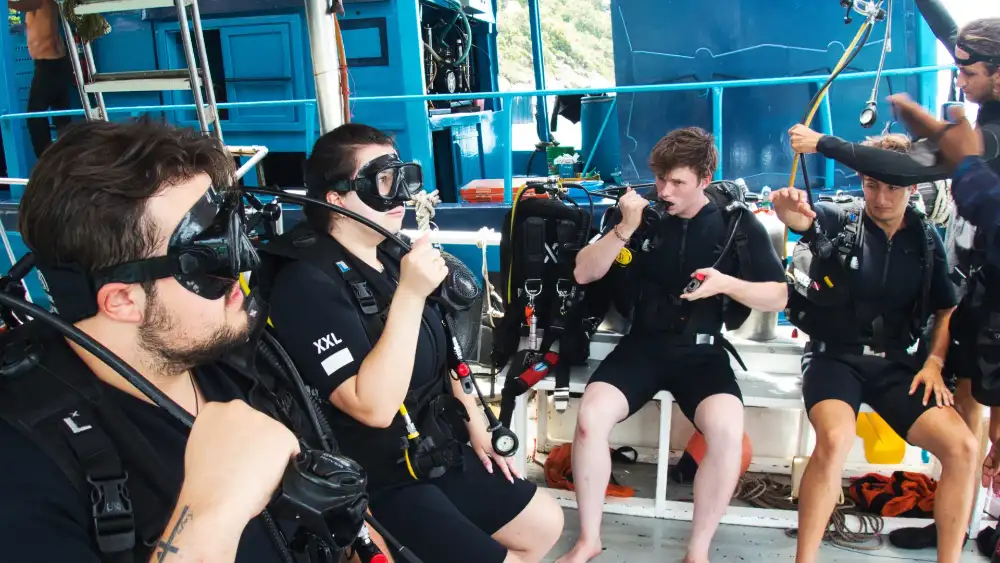 Diving Tips
Depth, breathing, training, safety, equipment and cost compared side by side, so you can decide whether a snorkel afternoon, a Try Dive or a full Open Water course is the right fit for your Koh Tao trip.
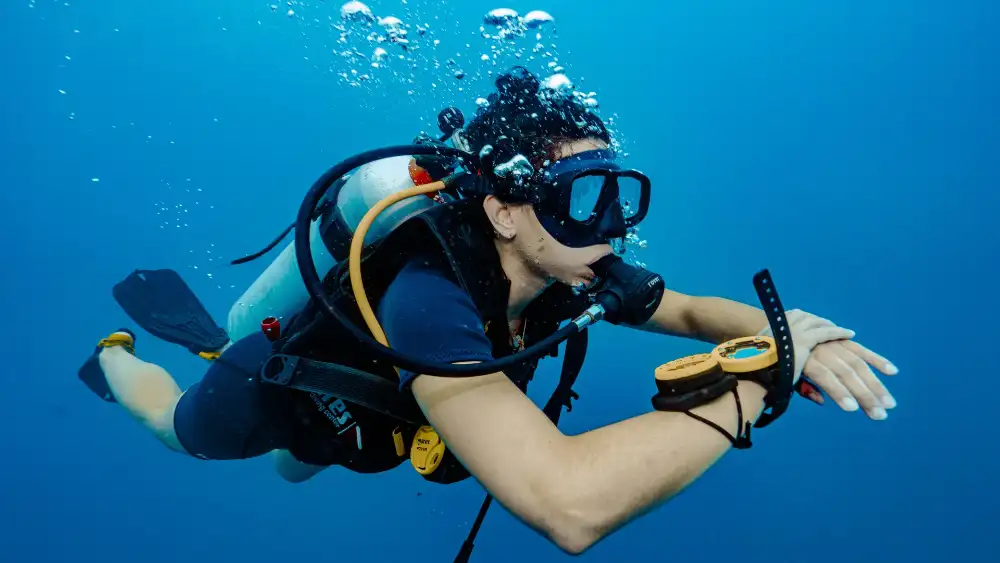 Diving Tips
An Open Water course in Koh Tao usually takes three to four days — but the advertised number of days tells only part of the story. Here is what actually fills those days, why schedules differ between dive schools, and how to plan your stay around the course.
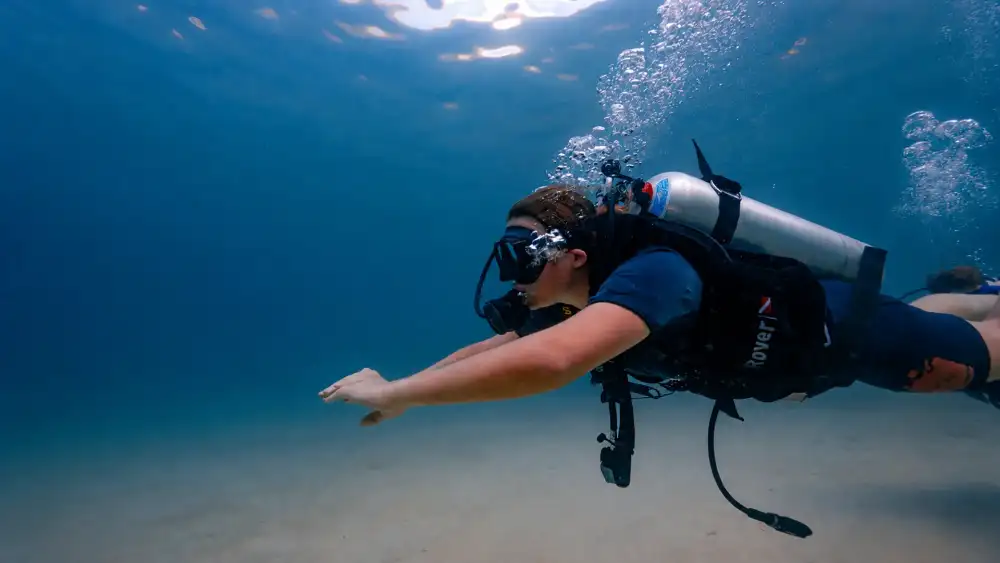 Diving Tips
PADI, RAID and SSI compared across the whole training pathway — Open Water, advanced, rescue, specialities, Divemaster, instructor and technical — plus what actually decides the quality of your course in Koh Tao.
Message us on WhatsApp — courses, fun dives and honest advice about Koh Tao.
Chat on WhatsApp