Seasonal conditions, the top dive sites by level, whale shark windows, how to choose a dive school, what the RAID Open Water course involves and the safety habits every new diver needs.
5 March 2025 · updated 25 June 2026 · by Bryan Roseman
Key takeaways
- Koh Tao issues more scuba certifications every year than almost anywhere else in the world, second only to Cairns, Australia.
- This guide covers everything you need to plan a trip in 2026: seasonal conditions with visibility and temperature data, the top dive sites by experience level, when and where to see whale sharks, how to choose the right dive school, what the RAID Open Water course actually involves, and the safety principles every new diver should know before entering the water.
The best open water diving in Koh Tao starts with understanding how this small island became one of the world’s most reliable training and dive destinations. Whether you are planning your first certification or building on existing experience, Koh Tao offers a rare balance of calm conditions, consistent visibility, and a high concentration of professional dive schools.
Its evolution from a quiet island into Thailand’s diving hub explains why it continues to attract divers at every level. With accessible sites, structured training pathways, and diverse marine life, Koh Tao is not just easy to dive; it is designed for progression, making every dive part of a well-supported journey.
Understanding Koh Tao’s evolution helps explain why it consistently ranks among the world’s top diving destinations.
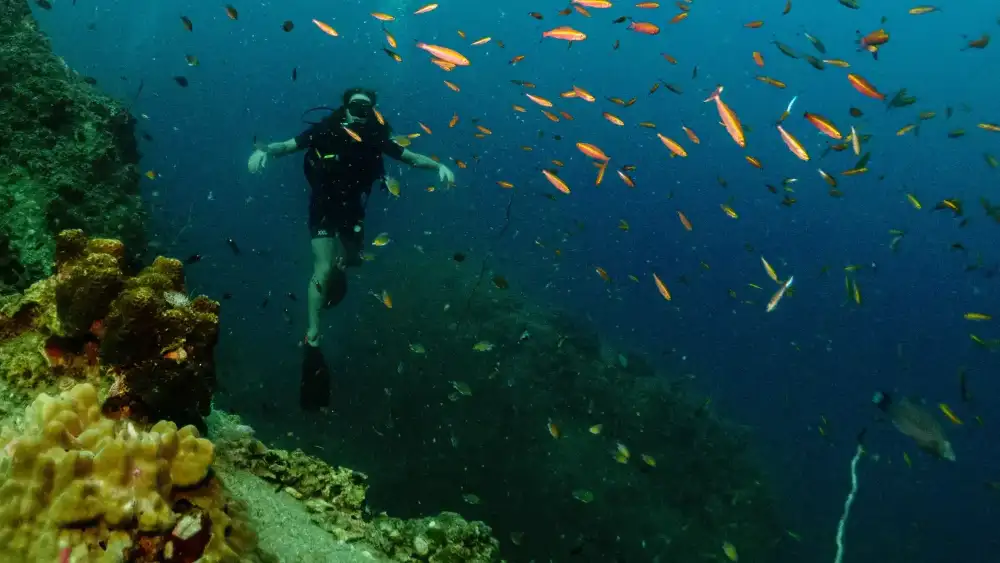
Koh Tao sits within the Chumphon Archipelago on the western edge of the Gulf of Thailand. Despite covering just 21 square kilometres, the island punches well above its weight as a diving destination for reasons that go beyond the scenery:
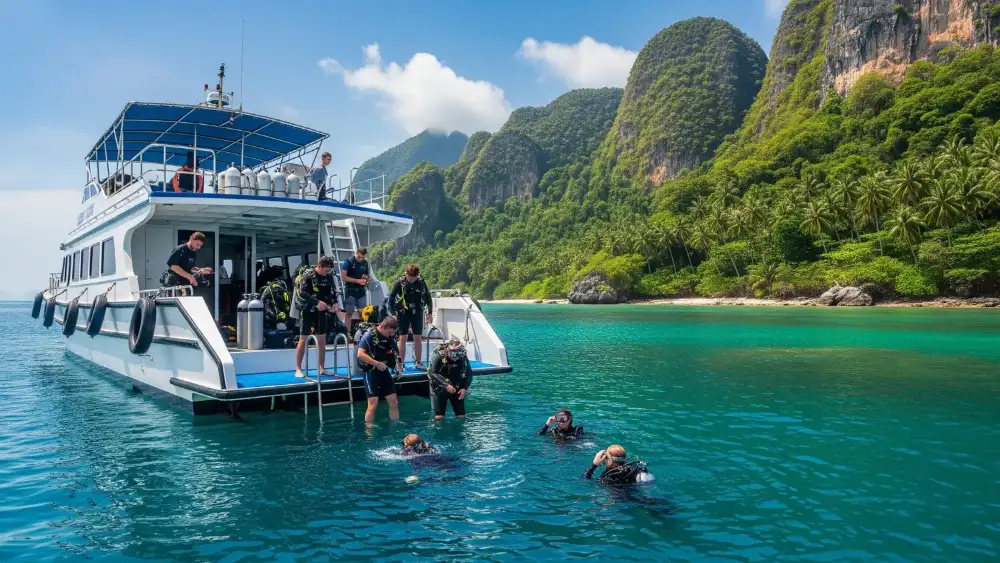
Understanding the seasons before you book is one of the most practical things you can do. The island is influenced by two monsoon cycles, and each shapes the diving experience in different ways.
| Season | Months | Visibility | Water temp | Conditions | Best for |
|---|---|---|---|---|---|
| Peak dry season | March to May | 20 to 30 metres | 29 to 30°C | Calm and flat | Whale sharks, beginners, photography |
| South west wind | June to September | 15 to 25 metres | 28 to 29°C | Choppier west coast; east coast calm | Advanced sites, east coast diving |
| Best visibility | September to October | 25 to 40 metres | 28 to 29°C | Settling and calm | Photography, fun dives, quieter island |
| North east monsoon | November to January | 10 to 20 metres | 26 to 28°C | Variable, occasionally rough | Budget travel, flexible schedules |
| Post monsoon | February | 20 to 30 metres | 27 to 28°C | Increasingly settled | Relaxed diving, photography |
| Dive site | Depth | Level | Marine life highlights |
|---|---|---|---|
| Japanese Gardens | 6 to 15 metres | Beginner | Eagle rays, sea turtles, and coral diversity |
| Mango Bay | 2 to 15 metres | Beginner | Sandy slopes, coral gardens, ideal for first dives |
| Twins | 6 to 18 metres | Beginner to intermediate | Blue spotted stingrays, clownfish, and excellent night diving |
| White Rock | 8 to 22 metres | Intermediate | Pinnacles, coral overhangs, and diverse reef fish |
| Green Rock | 10 to 25 metres | Intermediate | Swim-throughs, boulders, and strong fish life |
| Chumphon Pinnacle | 14 to 40 metres | Advanced | Barracuda schools, trevally, and occasional whale sharks |
| Sail Rock | 5 to 40 metres | Intermediate to advanced | Vertical chimney, dense marine life, prime whale shark territory |
| HTMS Sattakut | 20 to 30 metres | Advanced | Deliberately sunk naval wreck, colonised by marine life |
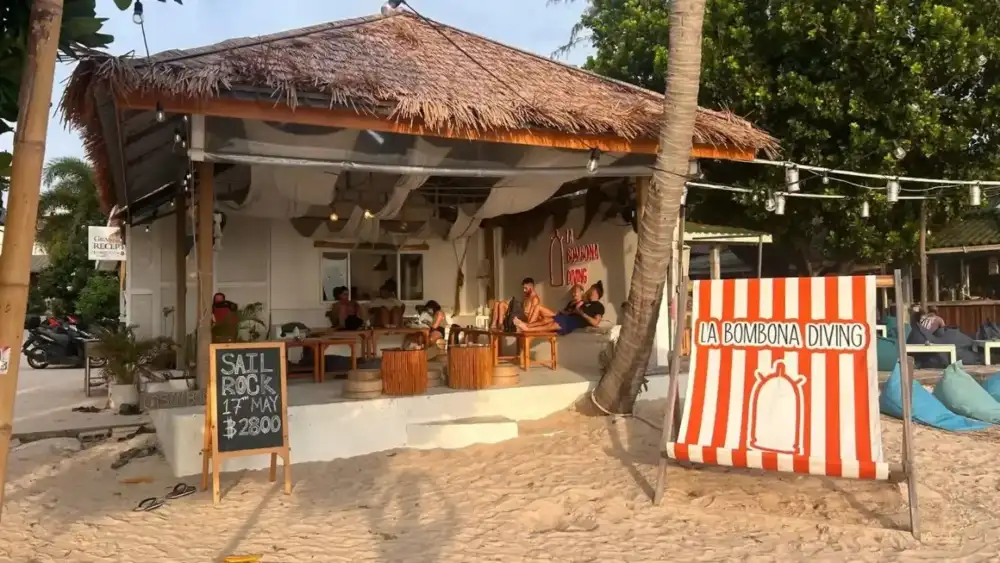
With over 50 dive schools operating on an island you can cross in under an hour, the choice can feel overwhelming. The honest truth is that the quality of your Open Water experience depends far less on which certification agency you choose and far more on the school you walk through the door of on day one.
These are the criteria that actually matter:
Expert tip. The Reef-World Foundation’s 2025 Impact Report confirmed that dive operators following the Green Fins code of conduct reduced environmental threats by 26%. When shortlisting dive schools on Koh Tao, asking whether they follow Green Fins standards is a quick and reliable indicator of how seriously they take both safety and conservation.
The schools worth considering are those willing to answer all of the above questions directly, without deflecting to price or promotional claims.
The RAID Open Water certification is a modern, skills-focused qualification that prepares divers to explore dive sites to 18 metres independently worldwide. Unlike older certification models that prioritise getting students through quickly, RAID places deliberate emphasis on buoyancy, situational awareness, and environmental understanding from the very first session.
The course runs across approximately three and a half days:
| Day | Time | What happens |
|---|---|---|
| Day 1 | From 16:00 | Meet your instructor and fellow students, complete paperwork, introduction to the RAID online theory system, and the fundamentals of dive equipment |
| Day 2 | From 08:00 | Classroom academics covering dive physics, equipment operation, and safety principles, followed by a full pool session practising mask clearing, buoyancy control, and emergency procedures |
| Day 3 | From 08:00 | First two open water dives at genuine reef sites, applying pool skills in a real environment, with instructor feedback after each dive |
| Day 4 | From 07:00 | Final two deeper open water dives, completing all required skills, finishing around 11:00 as a certified diver |
The depth advantage is practical rather than simply a number. Much of the genuinely interesting reef topography on Koh Tao sits between 12 and 18 metres, and being certified to that depth means you reach it on the very first fun dive after your course rather than working towards it later.
Diving safely is not complicated, but it does require consistent habits built from the very first session. These are the principles that matter most for new divers heading into Koh Tao’s water:
Safety insight. The Divers Alert Network advises drinking at least 500 ml of water before your first dive, as dehydration increases the risk of decompression sickness.
The habits formed during an Open Water course tend to persist throughout a diver’s career. Instructors who emphasise these principles from day one, rather than rushing through them to reach the fun part, produce safer and more capable divers in the long run.
Ready to begin your underwater adventure at Thailand’s premier diving destination? La Bombona Diving offers expert instruction, small class sizes, modern and well-maintained equipment, multilingual instructors and marine conservation education as part of every course. Open Water certification: 11,000 ฿ — 4 ocean dives over 4 days · all equipment included · worldwide certification recognised.
Yes, no prior experience is needed to begin an Open Water course or Try Dive on Koh Tao. Training starts in shallow, calm water under direct instructor supervision before progressing to reef dives.
Open Water courses on Koh Tao are among the most competitively priced in the world. Costs vary by school, but most include all equipment, certification fees, and open-water dives in the course price.
Koh Tao is genuinely one of the best places to overcome ocean anxiety. Warm, clear, shallow water and small instructor groups mean nervous beginners build confidence quickly, often surprising themselves within the first session.
During peak season from March to May, booking at least one week ahead is advisable, particularly for small group schools. Outside peak months, a few days' notice is usually sufficient for most courses.
Whale shark sightings at Sail Rock are never guaranteed on any single dive. March to May offers the highest probability, but even during peak season, encounters depend on water conditions and the sharks themselves.
More in Diving Tips
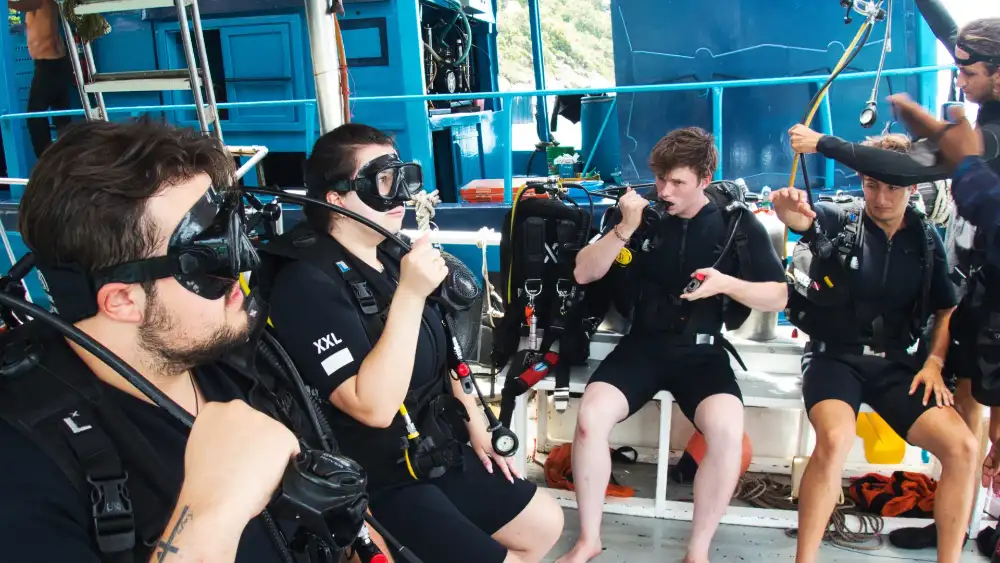 Diving Tips
Depth, breathing, training, safety, equipment and cost compared side by side, so you can decide whether a snorkel afternoon, a Try Dive or a full Open Water course is the right fit for your Koh Tao trip.
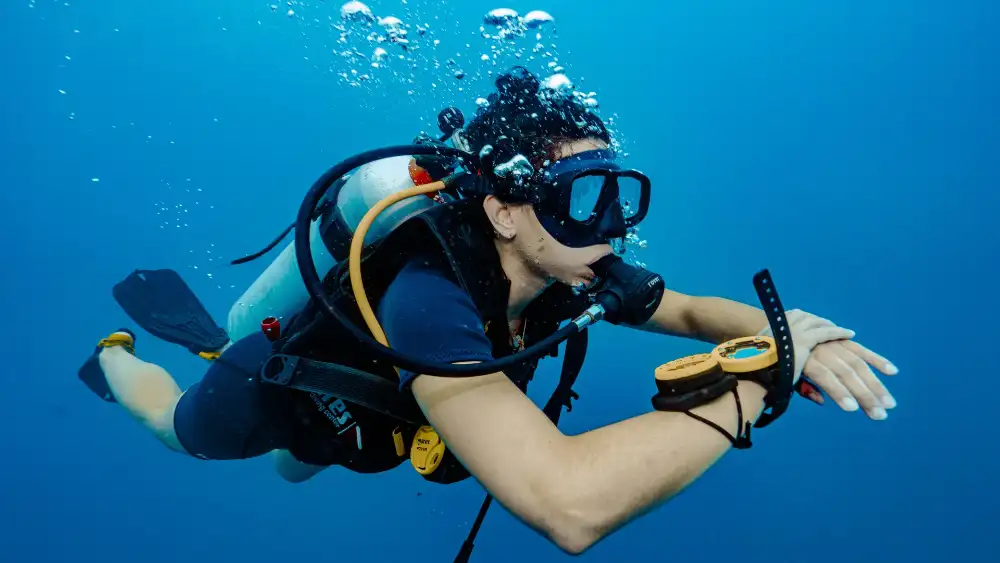 Diving Tips
An Open Water course in Koh Tao usually takes three to four days — but the advertised number of days tells only part of the story. Here is what actually fills those days, why schedules differ between dive schools, and how to plan your stay around the course.
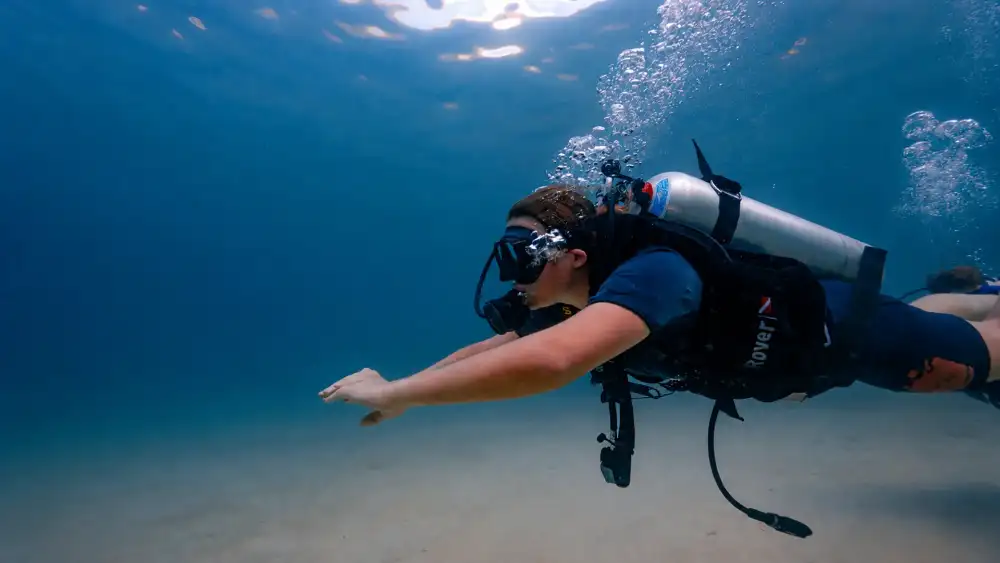 Diving Tips
PADI, RAID and SSI compared across the whole training pathway — Open Water, advanced, rescue, specialities, Divemaster, instructor and technical — plus what actually decides the quality of your course in Koh Tao.
Message us on WhatsApp — courses, fun dives and honest advice about Koh Tao.
Chat on WhatsApp