High season, green season and everything in between — visibility, sea conditions, marine life and prices for every month of the year in Koh Lipe.
20 August 2026 · updated 7 September 2026 · by La Bombona Diving Koh Lipe
Key takeaway. The best time to dive in Koh Lipe is during the dry high season from November to April. The seas are calm, visibility ranges from 20 to 30 metres, and water temperatures sit between 27 and 30°C.
The best time to plan your scuba diving trip to Koh Lipe depends on whether you want calm, clear-water dives or unique marine life encounters.
Many travellers plan their first dive, book flights, and accommodation based on convenience or price without realising that diving conditions change throughout the year.
After spending 20,000 to 35,000 THB on a trip, they discover that the underwater visibility isn’t what they expected, the sea is rougher than anticipated, or they missed the marine life they were hoping to see.
That’s why choosing the right time can make a huge difference to your overall Koh Lipe diving experience. This guide walks you through what to expect throughout the year and helps you choose the best time to dive in Koh Lipe.
From November to April, Koh Lipe enjoys warm, sunny weather and relatively calm seas, making it the most popular diving season.
Calmer seas mean smoother boat rides. They also reduce the chance of dive trips being cancelled because of rough weather.
Water temperatures usually stay between 27°C and 30°C. Most divers remain comfortable wearing only a thin wetsuit or rash guard.
High season offers the best underwater visibility in Koh Lipe, ranging from 20 to 30 metres. The clear water makes it easier to spot marine life, navigate dive sites such as Stonehenge, 8 Mile Rock and Jabang, and appreciate the vibrant coral reefs at Jabang, Koh Yang and Stonehenge.
The excellent visibility also creates ideal conditions for night diving, allowing your torchlight to illuminate marine life more effectively. For underwater photographers, the clear water provides the perfect opportunity to capture wide-angle reef landscapes and large schools of fish with greater clarity.
High season is a great time to explore Koh Lipe’s underwater world. Depending on the dive site, you may spot green and hawksbill sea turtles, reef sharks, moray eels, blue-spotted stingrays, schools of barracuda, snapper, colourful fusiliers, and tiny nudibranchs.
High season is the busiest time to visit Koh Lipe, so you can expect lively beaches, popular restaurants, and busier dive boats. To avoid overcrowding underwater, we schedule trips to different dive sites and at different times, allowing divers to enjoy a more relaxed experience.
If you’re travelling during Christmas or New Year, book accommodation two to three months in advance. Popular beachfront hotels often sell out first, and last-minute prices can increase significantly.
High season is the best choice if you are visiting Koh Lipe for the first time, want calm seas and comfortable diving conditions, prefer the best underwater visibility, are learning to scuba dive or taking a certification course, enjoy underwater photography, or want the most reliable diving conditions.
During this period, Koh Lipe experiences warm, humid weather with more frequent tropical rainfall as the southwest monsoon arrives. Sea conditions become less predictable than during the dry season, with stronger winds and occasional rougher waves that can affect visibility and dive schedules.
Visibility during the green season is generally 10 to 20 metres. It depends on recent rainfall, wind, and sea conditions. It may not be as clear as the high season, but many dive sites offer enjoyable diving, especially on calmer days.
The green season still offers plenty of opportunities to see Koh Lipe’s vibrant marine life: sea turtles, moray eels, blue-spotted stingrays, schools of reef fish, colourful nudibranchs, and healthy coral reefs.
This season offers a quieter and more relaxed atmosphere, with fewer tourists visiting Koh Lipe, less crowded dive boats, and peaceful beaches. It makes for a more laid-back diving experience both above and below the water.
Accommodation is much cheaper. Ferry schedules may also be reduced during periods of rough weather, so allow extra flexibility in your itinerary.
The green season is a great choice if you want to avoid peak-season crowds, are travelling on a tighter budget, prefer a quieter island atmosphere, have flexible travel dates, don’t mind occasional rain or changes to dive schedules, or have already experienced Koh Lipe during the high season and want a different perspective.
| Month | Avg. air temp | Rainfall | Diving conditions | Visibility | Rating |
|---|---|---|---|---|---|
| January | 28°C | 127 mm | Calm seas, sunny weather, excellent diving conditions | 20–30 m | Excellent |
| February | 29°C | 119 mm | Warm water, minimal rainfall, calm seas | 20–30 m | Excellent |
| March | 29°C | 241 mm | Excellent visibility with abundant marine life | 20–30 m | Excellent |
| April | 29°C | 429 mm | Warm water with occasional showers; diving remains very good | 18–25 m | Excellent |
| May | 28°C | 650 mm | Beginning of the rainy season with more variable conditions | 15–25 m | Good |
| June | 28°C | 554 mm | Mixed weather, occasional storms and choppier seas | 10–20 m | Fair |
| July | 27°C | 592 mm | Frequent rain with variable underwater visibility | 10–20 m | Fair |
| August | 28°C | 632 mm | Wet season continues; daily weather determines whether trips operate | 10–20 m | Fair |
| September | 27°C | 861 mm | Peak rainy season with rougher seas and reduced visibility | 5–15 m | Least ideal |
| October | 27°C | 874 mm | Wettest month; diving is possible, but weather can be unpredictable | 5–15 m | Least ideal |
| November | 28°C | 546 mm | Rainfall eases, and sea conditions gradually improve | 15–25 m | Good |
| December | 28°C | 239 mm | Dry season returns with calm seas and excellent visibility | 20–30 m | Excellent |
There is no single best month to dive in Koh Lipe. The best time depends on what you want from your trip. If you are looking for calm seas and excellent underwater visibility, visit between November and April. If you want fewer crowds and lower prices, the green season can still offer great diving on many days. Choose the season that matches your priorities to get the most out of your diving trip.
Ready to explore Koh Lipe’s underwater world? Book a Try Dive, join a Fun Dive or see our dive courses.
February, March, and April, when visibility is between 20 and 30 metres. During this time the seas are calm and weather conditions are optimal.
No. November marks the beginning of Koh Lipe’s dry season. Rainfall begins to ease, sea conditions improve, and visibility often reaches 15–25 metres, making it a popular time for divers who want excellent conditions before the peak holiday crowds arrive.
Both February and March are fantastic for scuba diving in Koh Lipe, with warm water around 28–29°C and great visibility. February tends to have drier weather and calmer overall sea conditions, while March brings hotter air temperatures and quieter post-peak crowds on the island. This is particularly helpful for family diving trips.
The worst months for diving in Koh Lipe are July through September, when the southwest monsoon brings peak rainfall, strong winds, and rough seas.
The sea is calmest around Koh Lipe during the dry season from December to February. February offers the calmest, clearest water of the year.
Yes. You can dive in Koh Lipe during the rainy season (May to October), and we run trips whenever conditions allow. However, you might experience trip cancellations when weather and sea conditions are unpredictable.
May, June, and July give you the highest chance of seeing whale sharks in Koh Lipe, because plankton blooms during this season draw these large animals to deep offshore spots.
Between November and April, during the dry high season, when visibility is around 20–30 metres and water temperatures range from 27°C to 30°C.
No. April sits just after the peak, so the island is quieter than December to February while conditions are still excellent.
They are different experiences rather than better or worse. Koh Lipe sits inside a national marine park with healthy reefs and a quieter, smaller-island feel; Koh Tao is larger, busier and well known for affordable training. La Bombona Diving has centres on both islands, so if you can’t decide, ask us and we’ll point you to the one that suits your dates and goals.
Yes. It does rain during parts of the Koh Lipe dive season, as the broader wet “green” season overlaps with the year-round availability of diving.
During the shoulder season (typically May–June and October–November), Koh Lipe features warm water around 28°C, variable visibility of 5–25 metres, and fewer crowds.
More in Diving Tips
 Diving Tips
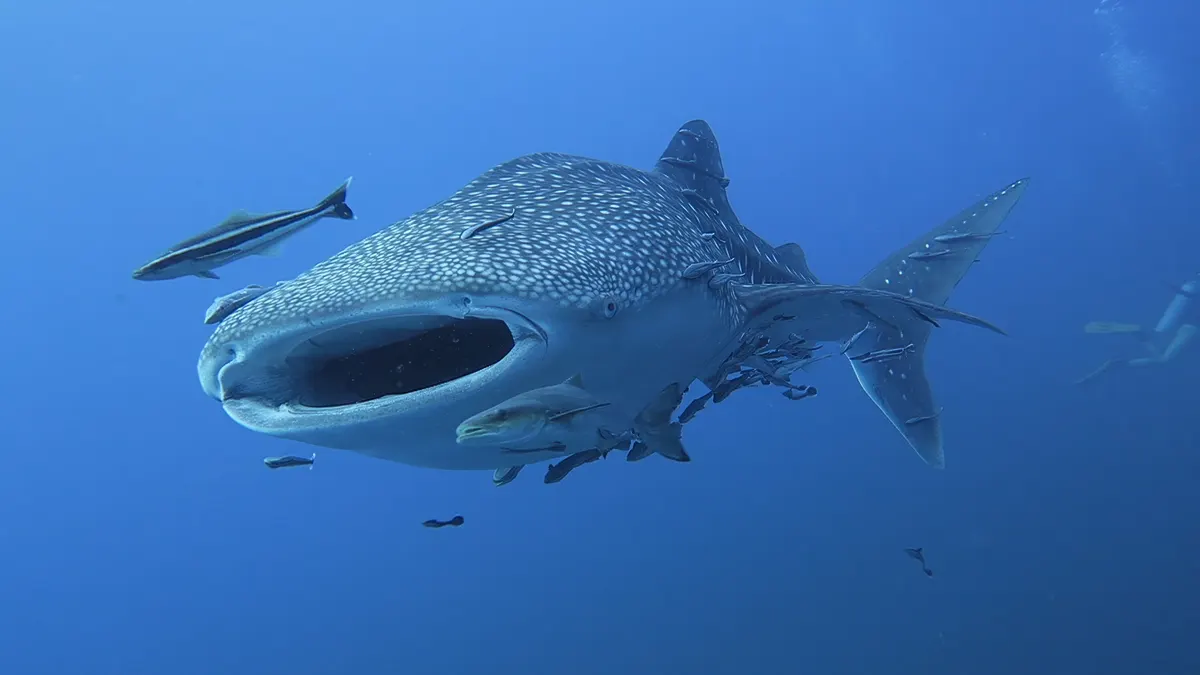
8 Mile Rock, the Yong Hua Wreck, Koh Sarang, Koh Pung, Seven Rocks, Sail Rock and deep Stonehenge — depths, currents, marine life and the best time to dive each one.
 Diving Tips
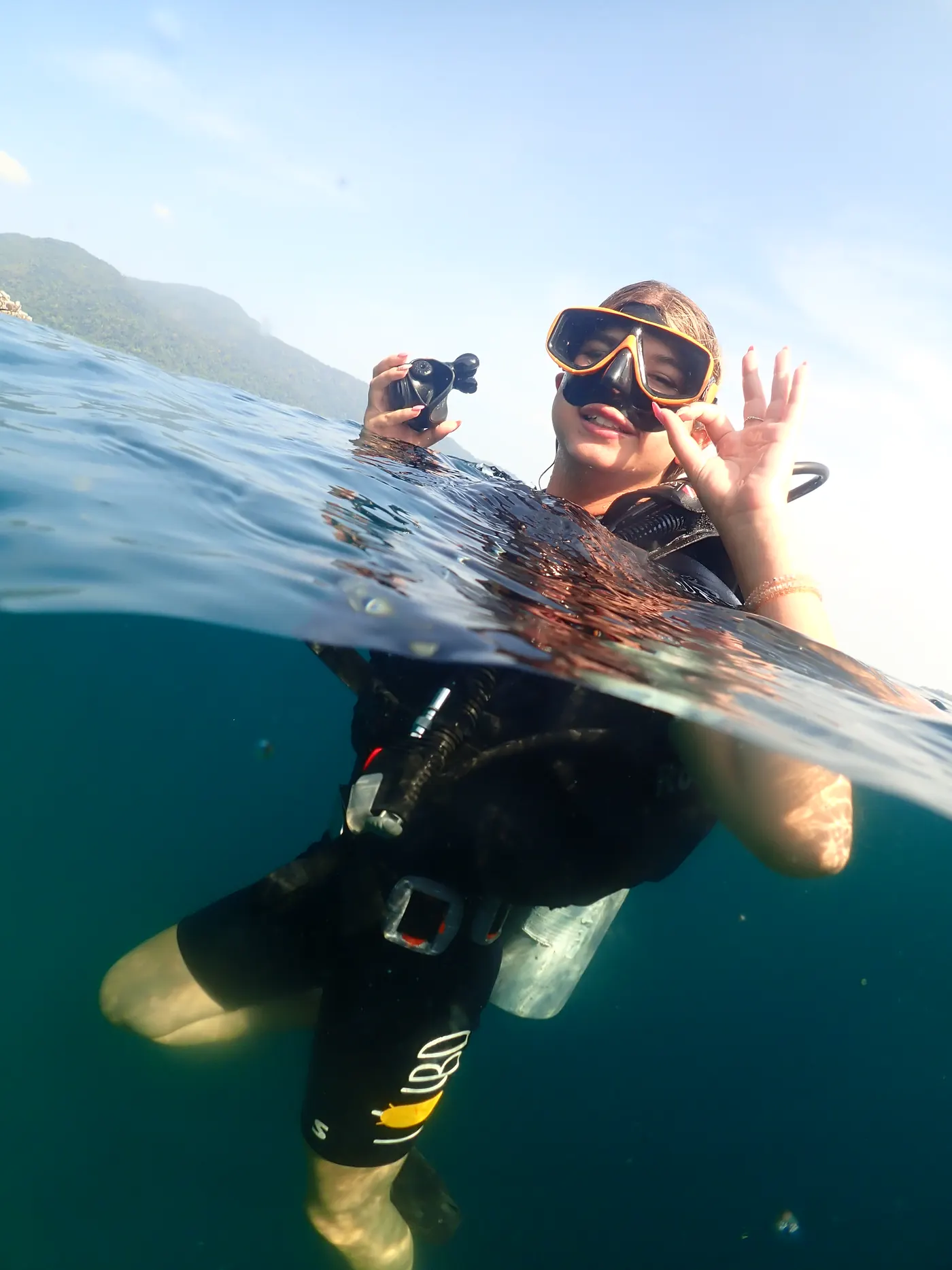
What the Open Water course includes, what it costs, the day-by-day schedule, RAID vs PADI vs SSI, and how to prepare for your certification in Koh Lipe.
 Diving Tips
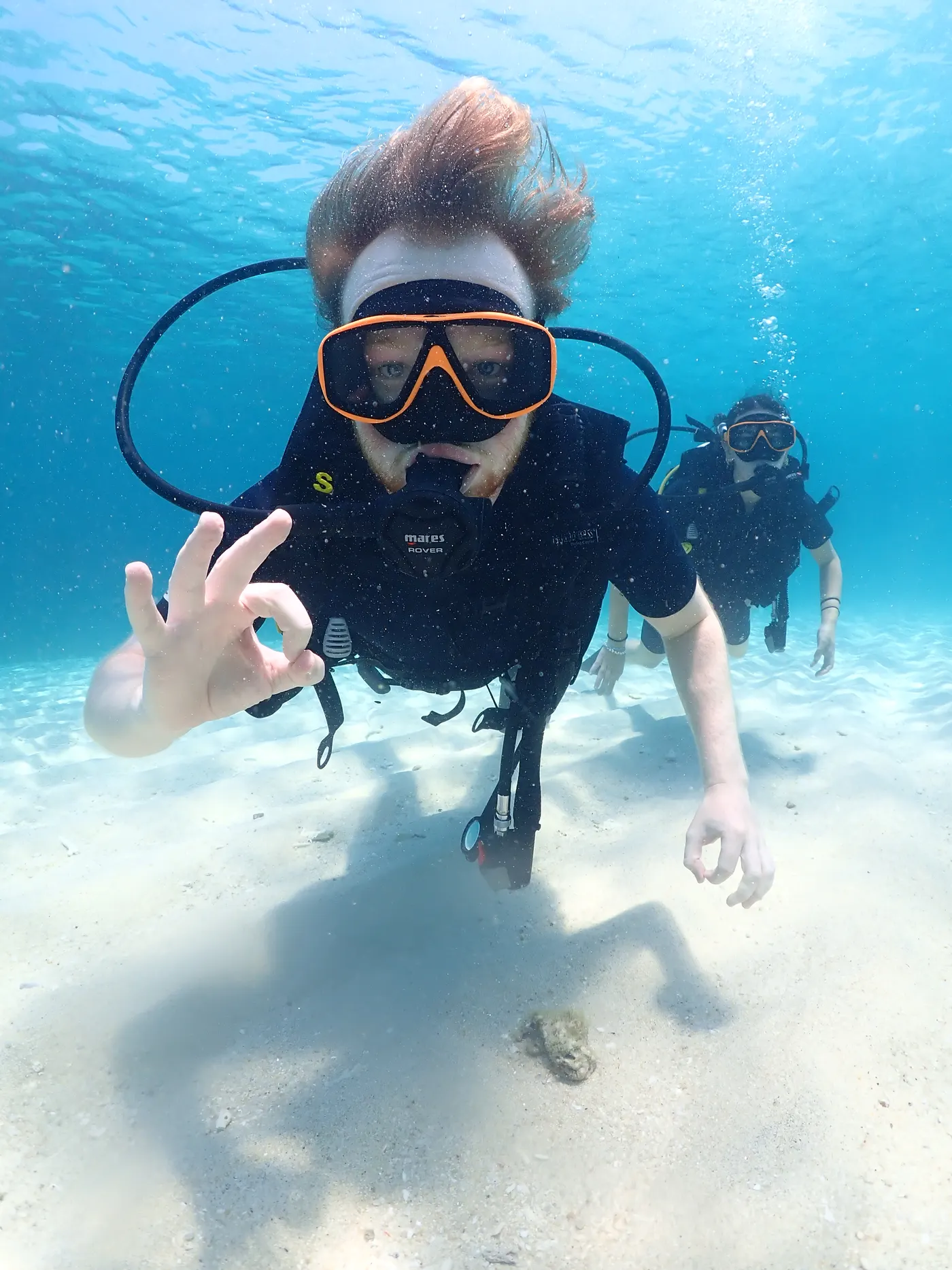
One of the biggest myths in diving, answered honestly — when swimming is required, when it isn't, and how non-swimmers can try diving in Koh Lipe.
Message us on WhatsApp — courses, fun dives and honest advice about Koh Lipe.
Chat on WhatsApp