What the Open Water course includes, what it costs, the day-by-day schedule, RAID vs PADI vs SSI, and how to prepare for your certification in Koh Lipe.
20 August 2026 · updated 7 September 2026 · by La Bombona Diving Koh Lipe
Key takeaways. The Open Water course is the entry-level scuba certification, run through RAID at La Bombona Diving in Koh Lipe, and takes 3 days. No prior diving experience is needed — you just need to swim 200 m (or 300 m with mask, snorkel and fins) and float or tread water for 10 minutes. The course costs 15,000 ฿ and covers equipment, e-learning, theory, 4 ocean dives, lunches and certification; only the Marine Park fee (฿200 per diving day) and mandatory dive insurance (70 ฿) are separate. Depth builds gradually from confined water to 12 m and then 18 m, and your certification is valid to 18 m worldwide. RAID, PADI and SSI are all internationally recognised with comparable core standards — the school and instructor matter more than the logo. Minimum age is 10 (Cadet) with parental consent, and the certification never expires.
An Open Water course is the entry-level scuba diving certification.
It is the qualification that takes you from “never breathed underwater” to a fully certified diver. With this certification, you can dive independently with a buddy, anywhere in the world, at recognised dive centres. At La Bombona Diving, the Open Water course is taught through RAID (Rebreather Association of International Divers), one of the major scuba certification agencies alongside names like PADI and SSI. A RAID certification is recognised worldwide, and its training standards are comparable to other major agencies. What matters most is choosing a dive school with experienced instructors you trust.
If you’re planning to take this course in Koh Lipe, you may have questions about the process, cost, and what to expect. This guide covers the key details you need to know.
This course is designed for complete beginners.
You don’t need any previous scuba diving experience, and you don’t have to be an athlete. If you’re comfortable swimming, can float in the water, and are excited to learn something new, you’re already a good candidate. The course starts with the basics and builds your skills step by step, so you don’t need to know anything about scuba diving in advance.
It suits:
If you’ve ever wondered what it’s like to breathe underwater, this course is where to start.
Koh Lipe is one of the best places in Thailand to learn scuba diving.
Koh Lipe sits within Tarutao National Marine Park. Beginners enjoy calm seas, clear water, and colourful coral reefs. Many training dive sites are only a short boat ride away, so you’ll spend less time travelling and more time in the water. The sheltered conditions make it easier to build confidence and focus on learning your skills instead of dealing with strong currents or poor visibility.
If you’re going to learn scuba diving anywhere, Koh Lipe gives you an excellent place to start.
The course at La Bombona Diving costs 15,000 ฿ and includes everything you need to complete your certification.
The price covers your equipment rental, RAID e-learning materials, instructor training, a confined water session, four ocean dives, certification, Thai lunch on dive days, refreshments on the boat, and a souvenir t-shirt. Two things are paid separately: the Tarutao Marine Park fee of ฿200 per diving day (฿400 across the course), which goes to the national park rather than the dive school, and mandatory dive insurance of 70 ฿. Having a clear breakdown upfront helps you understand exactly what you’re paying for before you start.
For a beginner course, the value comes from the quality of training, instructor attention, and the confidence you gain underwater. A good Open Water course is an investment in a skill you’ll use for a lifetime.
The certification agency matters less than most beginners think.
If you’ve researched beginner scuba certifications, you’ve probably come across PADI first. It’s the world’s largest diving certification agency and says it has certified more than 30 million divers through its global network. That’s why many people automatically search for a “PADI Open Water course” when comparing dive schools.
SSI (Scuba Schools International) is another major certification agency. It’s well known for its MySSI app, which combines online learning, digital certification cards, and dive logging in one place.
One area where RAID stands out is its teaching philosophy.
In many traditional courses, beginners first learn skills like mask removal or regulator recovery while kneeling on the seabed, which provides a stable but static way to practise. RAID takes a different approach. From the beginning of the course, you’ll practise these same skills while hovering mid-water in neutral buoyancy instead of kneeling.
It’s a small difference on paper, but many divers say it makes buoyancy control feel natural much sooner because you’re building the skill you’ll actually use on every real dive, rather than learning it separately afterwards.
This doesn’t mean PADI or SSI ignore buoyancy. Neutral buoyancy is a core skill taught across all major recreational diving agencies. RAID simply introduces and reinforces it from the start.
Yes, all three are internationally recognised.
A certification from RAID, PADI, or SSI allows you to dive with recognised dive centres worldwide. You can also continue your training with a different agency later, as long as you meet the course requirements. Complete RAID Open Water and continue with PADI or SSI, or complete PADI or SSI Open Water and continue with RAID.
Your certification does not expire, although we recommend a Refresh if you haven’t dived for six months or more.
The differences between RAID, PADI, and SSI are smaller than many beginners expect. All three teach core scuba skills, safety procedures, emergency techniques, and the minimum standards required for certification.
The main differences come down to teaching style, learning platforms, and how each agency structures its courses, not the quality of the skills you’ll learn.
For most beginners, the dive school and instructor matter far more than the logo on your certification card. A patient instructor and a small, well-managed group will usually create a better learning experience than a rushed course, regardless of whether it is taught through RAID, PADI, or SSI.
The course runs across 3 days, moving from theory and your first breaths underwater, to four open water dives, and finishing with certification. Here’s how it runs at La Bombona Diving:
By the end of the third day, you’ll have gone from complete beginner to certified diver.
You’ll leave the course with the practical skills needed to dive safely and confidently.
By the end of the course, you’ll be comfortable with the core skills every certified diver needs, including buoyancy control, mask clearing, regulator recovery, controlled ascents and descents, buddy communication, and basic underwater problem-solving.
You’ll practise each skill repeatedly until it feels natural, first in confined water and then during your open water dives. The goal isn’t just to pass the course; it’s to build the confidence to enjoy future dives safely.
These are the same core skills taught across RAID, PADI, and SSI Open Water courses because safe recreational diving follows the same fundamental principles, regardless of the certification agency.
A good Open Water course should include everything you need to learn, practise, and get certified without hidden extras.
At La Bombona Diving, the course includes:
Not included: the Marine Park fee (฿200 per diving day) and mandatory dive insurance (70 ฿). With everything else covered, you can focus on learning to dive instead of worrying about organising the small details.
Not for most people.
It’s a beginner course by design: the theory is straightforward, the skills are introduced step by step, and instructors won’t move you into open water dives until you’re ready. The biggest challenge for many beginners isn’t physical ability; it’s the feeling of breathing underwater for the first time, which is exactly why the confined water session exists. You get time to practise in a controlled environment before heading into the ocean.
You don’t need to be an athlete or have advanced swimming skills. You simply need reasonable comfort in the water, patience, and a willingness to learn.
By the end of the course, most beginners are surprised by how natural scuba diving starts to feel.
A little preparation before your course makes the whole experience smoother.
Before you arrive, make sure you:
You don’t need to train like an athlete before the course, but being comfortable in the water will help you enjoy the experience more. Most beginners spend more time preparing their mindset than their fitness. Arrive curious, relaxed, and ready to learn.
Most beginner diving mistakes are easy to avoid with a little preparation:
The course is designed to help beginners learn safely, but arriving prepared makes the experience much easier. Most problems come from rushing, overthinking, or not communicating with your instructor. Ask questions, take your time, and remember that everyone starts as a beginner.
Certification is just the starting point, not the finish line.
Once you’re certified, you can dive with a buddy anywhere in the world at dive centres that recognise your agency, which is effectively most places for RAID, PADI, and SSI. A lot of divers then move on to the Advanced course to sharpen their skills and explore deeper or more varied dive sites. Others just start booking fun dives and building experience one trip at a time.
The real payoff comes after certification, when diving stops feeling like a course and starts feeling like a habit.
The dive school you choose will have a bigger impact on your experience than the certification logo on your card.
A few things are worth checking, regardless of which certification agency a school uses:
A good dive school focuses on safety, patience, and helping beginners build confidence underwater. The cheapest option isn’t always the best value if it means large groups or rushed training. A supportive instructor who takes time to answer questions makes all the difference. It’s the gap between simply getting certified and actually enjoying diving.
Choose the school where you feel comfortable learning, not just the one with the lowest price.
No. You’ll need to swim 200 metres (any stroke) or 300 metres with a mask, snorkel and fins, plus float or tread water for 10 minutes. If you’re not comfortable in the water yet, build your confidence first or try an introductory dive.
Adults must be 15 or older. Junior divers (12–14) and Cadet divers (10–11) can also join, with parental or guardian consent required for anyone under 18.
You’ll progress from confined water to 12 m on your first ocean dives and 18 m by your final training dive, with certification valid to a maximum depth of 18 m.
No, complete equipment rental is included in the course price.
Marine life sightings vary by dive, season, and site, so nothing can be guaranteed on any specific day. Koh Lipe’s reefs do support a range of marine life, and your instructor can tell you what’s been spotted recently at the sites you’re diving.
Yes. RAID, PADI, and SSI certifications are all internationally recognised.
You can’t wear regular glasses underwater, but prescription dive masks are available for divers who need vision correction. Ask us in advance so we can arrange one for your course.
The final exam is open-book with an 80% passing score. Your instructor will prepare you throughout the course, and if you don’t pass the first time, you can review the material and retake the exam.
All three teach comparable core skills, so focus on the school and instructor rather than the agency name.
Yes, but not immediately. The standard recommendation is to wait at least 18 hours after a single no-decompression dive, and 24 hours after multiple days of diving, before flying or heading to altitude. Always confirm the specific guidance with your instructor before booking flights around your dive schedule.
The best time to dive in Koh Lipe is during the dry high season from November to April. During this season, the seas are calm, the visibility ranges from 20 to 30 metres, and water temperatures lie in the range of 27 to 30°C. See our month-by-month guide.
More in Diving Tips
 Diving Tips
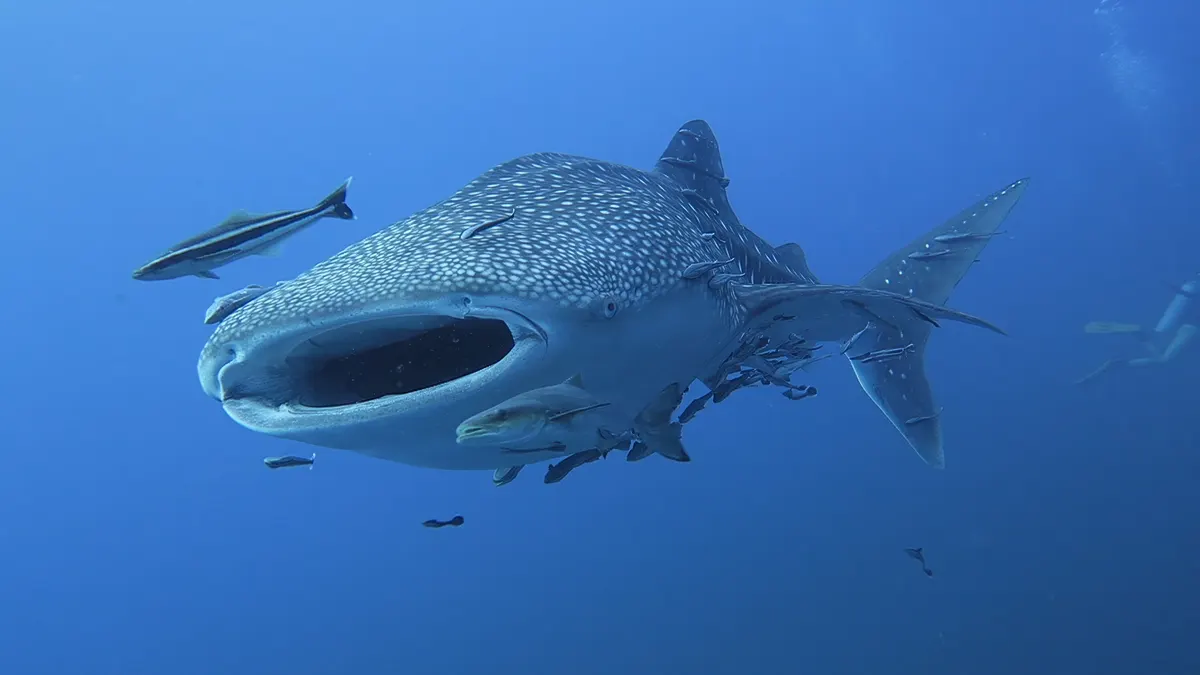
8 Mile Rock, the Yong Hua Wreck, Koh Sarang, Koh Pung, Seven Rocks, Sail Rock and deep Stonehenge — depths, currents, marine life and the best time to dive each one.
 Diving Tips
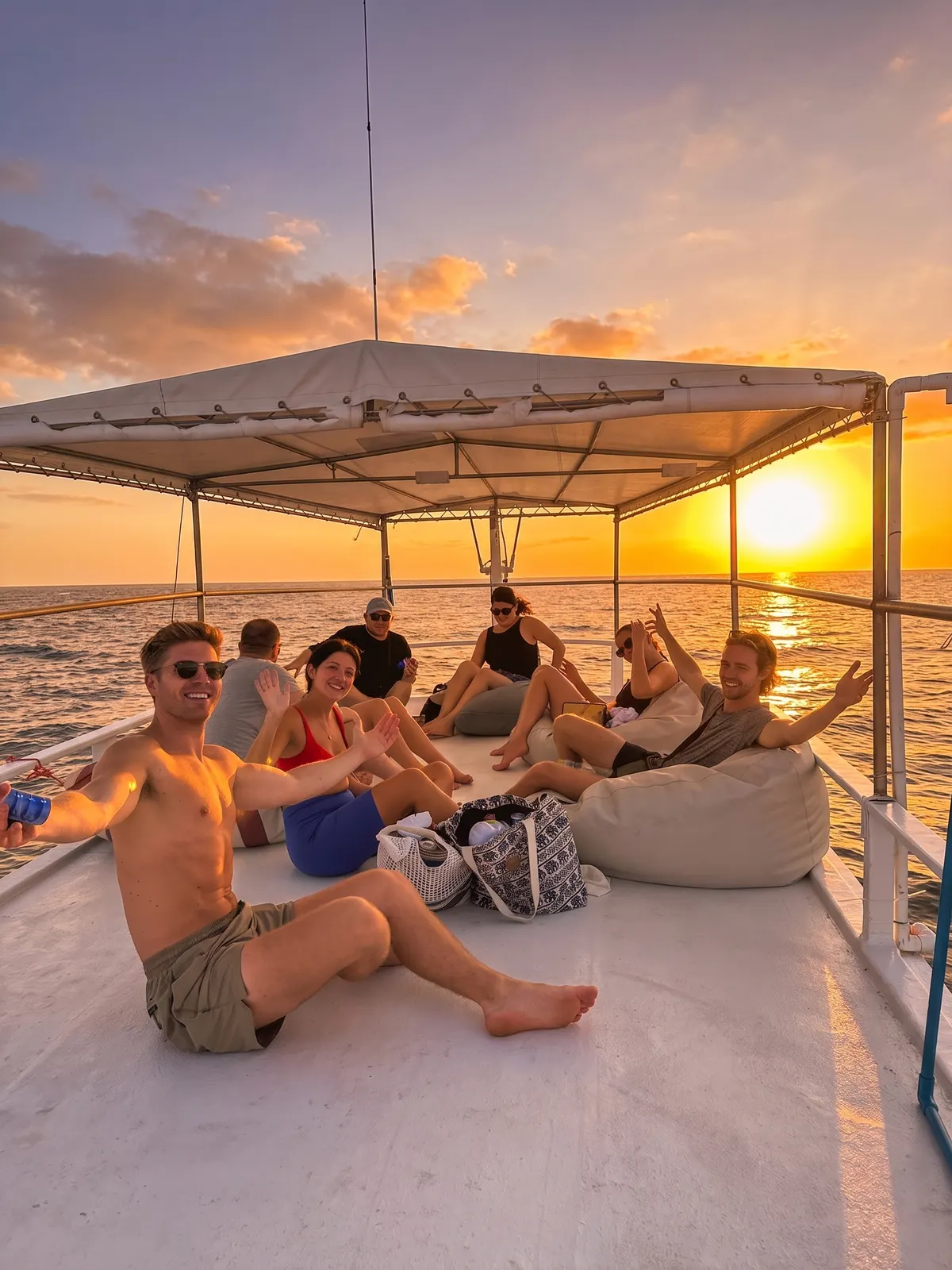
High season, green season and everything in between — visibility, sea conditions, marine life and prices for every month of the year in Koh Lipe.
 Diving Tips
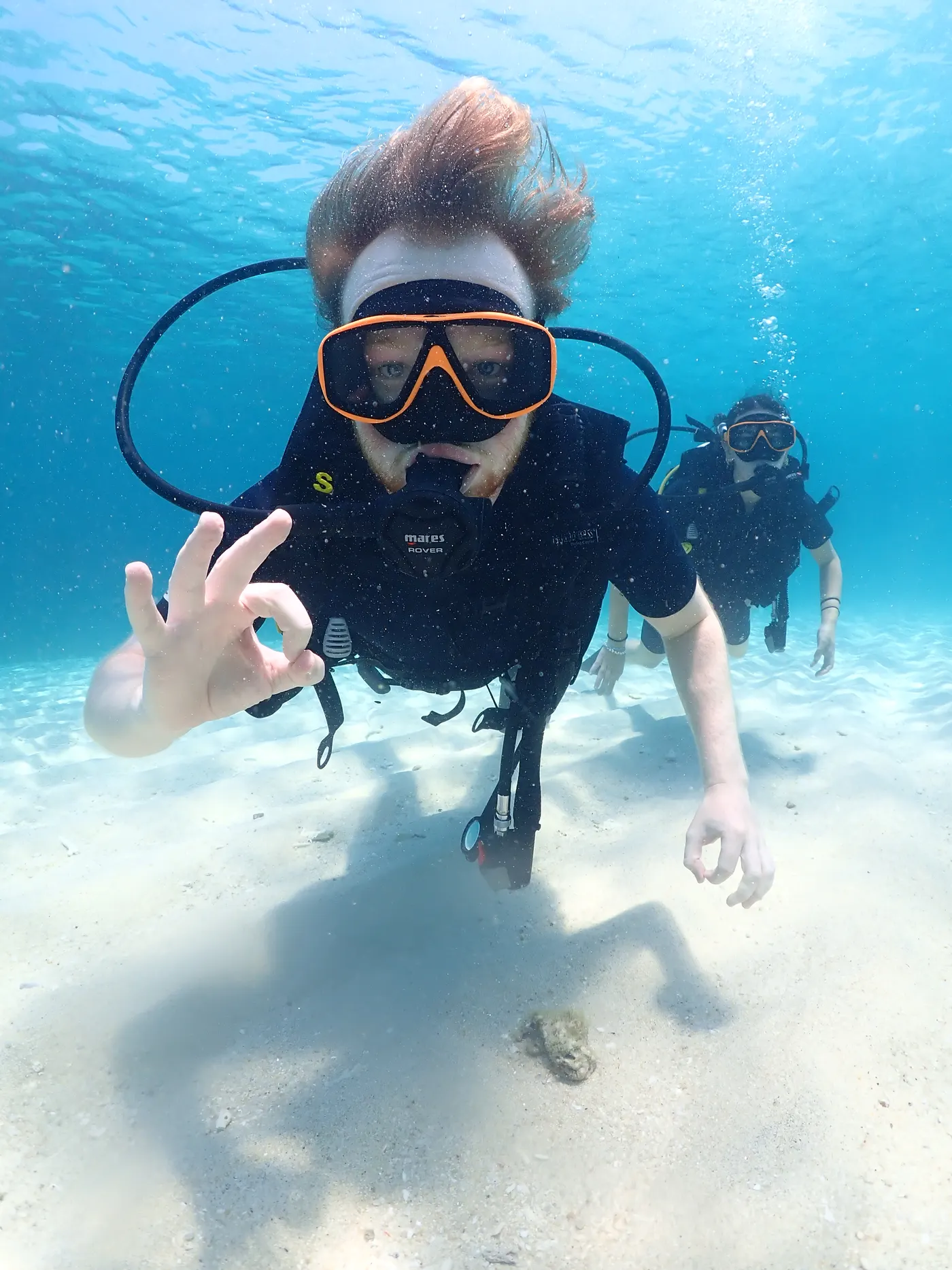
One of the biggest myths in diving, answered honestly — when swimming is required, when it isn't, and how non-swimmers can try diving in Koh Lipe.
Message us on WhatsApp — courses, fun dives and honest advice about Koh Lipe.
Chat on WhatsApp