What liveaboard divemaster work is really like — the daily schedule, the qualifications operators look for, salaries and benefits, career progression and the challenges of life at sea.
3 April 2025 · updated 17 March 2026 · by Bryan Roseman
In short. Liveaboard work for divemasters offers unparalleled career opportunities that combine a passion for diving with professional growth. Liveaboard divemasters experience diverse marine ecosystems, build lasting professional networks, earn competitive salaries with reduced living expenses, and develop advanced diving skills while working in some of the world’s most pristine underwater locations.
The excitement of liveaboard work for divemasters represents one of the most rewarding career paths in the diving industry. Unlike land-based dive operations, liveaboard work immerses you completely in the maritime lifestyle, offering unique opportunities to visit remote dive sites, work with international guests and develop advanced professional skills. This comprehensive guide examines every aspect of liveaboard divemaster careers, from daily responsibilities to qualification requirements and career advancement opportunities.
For divemasters seeking adventure, professional development and the chance to work in some of the world’s most spectacular diving locations, liveaboard work provides an unmatched combination of career growth and lifestyle benefits that make it an increasingly popular choice among diving professionals.
The excitement of liveaboard work for divemasters stems from the unique combination of professional responsibilities and adventure that this career path offers. Unlike traditional dive centre work, liveaboard positions provide access to remote dive sites, extended time underwater and the opportunity to work with a diverse international clientele in an intimate setting.
Work at world-class locations like the Maldives, the Red Sea and the Great Barrier Reef that day boats cannot reach. Experience advanced diving conditions that enhance your professional skills and underwater expertise.
Build relationships with guests from around the world and fellow crew members, creating a global network that can benefit your diving career for years to come.
Combine diving expertise with hospitality, safety management and customer service skills. Many divemasters find this experience invaluable when advancing their diving careers.
Earn competitive salaries with accommodation, meals and transport included, allowing you to save significantly while working in exotic locations.
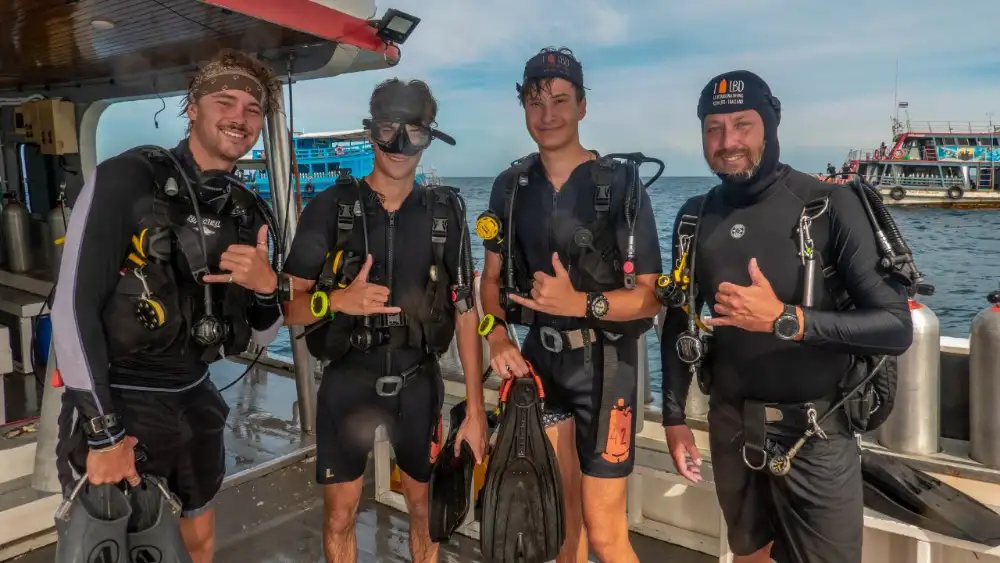
Understanding the excitement of liveaboard work for divemasters requires examining the daily routine that defines this unique career. Liveaboard divemasters balance diving operations, guest services, safety management and equipment maintenance in a dynamic maritime environment.
| Time | Activity |
|---|---|
| 5:30 AM | Early-morning equipment checks and dive site preparation |
| 6:30 AM | Guest wake-up call and breakfast service assistance |
| 8:00 AM | First dive briefing and safety check |
| 8:30 AM | Morning dive, leading guest groups underwater |
| 10:30 AM | Equipment maintenance and surface interval activities |
| 11:30 AM | Second dive briefing and underwater tour |
| 2:00 PM | Lunch service and guest interaction time |
| 3:30 PM | Afternoon dive or specialised activities |
| 6:00 PM | Equipment cleaning and preparation for night activities |
| 7:30 PM | Dinner service and marine life presentations |
| 9:00 PM | Night dive preparation or social activities with guests |
The excitement of liveaboard work for divemasters comes with significant professional responsibilities that require a diverse skill set. Successful liveaboard divemasters must excel in several areas beyond basic dive guiding.
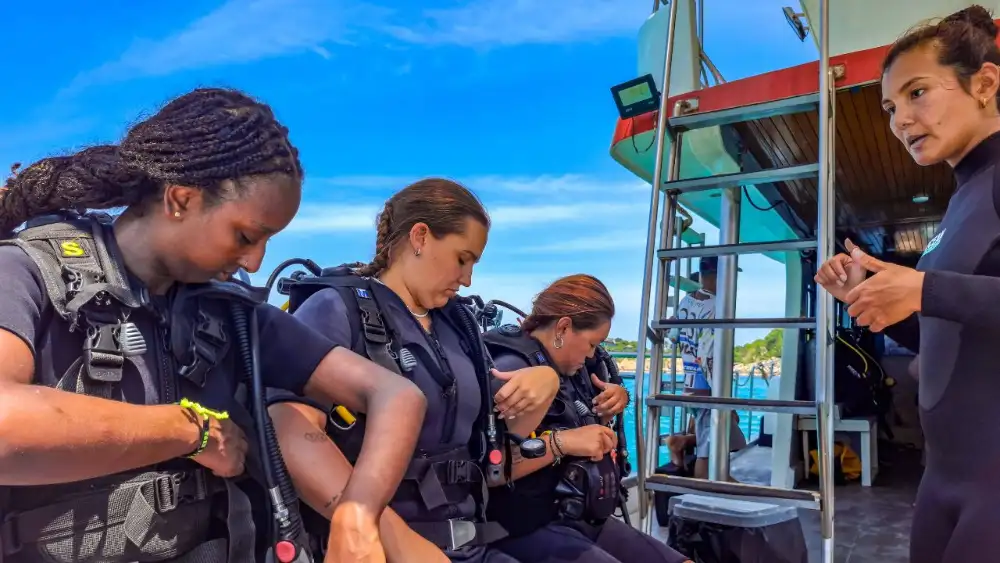
The excitement of liveaboard work for divemasters begins with obtaining the proper qualifications and certifications. Liveaboard operators maintain high standards for staff qualifications because of the remote nature of operations and the premium service their guests expect.
| Qualification type | Requirement level | Details | Why it’s important |
|---|---|---|---|
| Divemaster certification | Essential | PADI, SSI or RAID Divemaster certification | Legal requirement for guiding certified divers |
| Emergency First Response | Essential | Current CPR and First Aid certification | Remote locations require immediate medical response capability |
| Specialty certifications | Highly preferred | Deep, Night, Navigation, Wreck diving | Liveaboards access diverse dive sites requiring specialised skills |
| Nitrox certification | Preferred | Enriched Air certification | Extended bottom times for multiple daily dives |
| Language skills | Advantageous | Multilingual abilities | International clientele requires diverse communication skills |
| Hospitality experience | Advantageous | Customer service background | Liveaboards provide premium hospitality experiences |
Warning. Preparation timeline: most liveaboard operators require divemasters to have substantial experience before applying. Consider gaining experience through comprehensive divemaster training programmes that provide real-world experience in diverse conditions. The transition from land-based to liveaboard work is a significant step up in responsibility and skill requirements.
The excitement of liveaboard work for divemasters extends beyond immediate employment to long-term career development. Liveaboard experience provides valuable skills and networking opportunities that open doors throughout the diving industry.
Many divemasters use liveaboard experience as a stepping stone to instructor certification, gaining the practical experience needed for effective teaching.
Experienced liveaboard divemasters often advance to cruise director roles, managing the entire guest experience and leading dive operations.
The comprehensive skills developed on liveaboards translate perfectly to managing land-based dive operations and training centres.
Develop expertise in underwater photography, marine biology or technical diving to offer specialised services to premium clients.
Liveaboard experience provides excellent preparation for careers in marine research, conservation and environmental protection.
Many successful dive business owners started their careers as liveaboard divemasters, learning all aspects of dive operations and customer service.
While the excitement of liveaboard work for divemasters offers numerous benefits, success requires understanding and preparing for the unique challenges of maritime life. Prospective liveaboard divemasters should carefully consider these factors before committing to this career path.
Understanding these challenges helps divemasters prepare mentally and physically for liveaboard work. Many find that the excitement of liveaboard work more than compensates for them, especially with proper preparation and realistic expectations.
The excitement of liveaboard work for divemasters begins with strategic career planning and skill development. Breaking into this competitive field requires more than basic qualifications — it demands demonstrable experience, professional networking and a comprehensive understanding of maritime dive operations.
Many successful liveaboard divemasters start their careers in diving destinations like Koh Tao, where they can gain intensive experience in a supportive environment. Programmes designed for diverse backgrounds and experience levels provide excellent preparation for liveaboard careers.
Ready to begin your path to liveaboard work? La Bombona Diving’s Divemaster programme — 40,000 ฿ for two months of intensive training with unlimited ocean diving, small groups and RAID certification — gives you the real-world experience you need to start a liveaboard career.
Liveaboard work for divemasters includes access to remote dive sites unreachable by day boats, 24/7 immersion in dive operations, closer relationships with guests and crew, and the opportunity to work in several locations during a single trip. Liveaboard divemasters also handle more diverse responsibilities, from diving operations to hospitality services, making it a more comprehensive professional experience.
Most liveaboard operators prefer divemasters with at least 6–12 months of active experience leading dives and managing guests. This experience should include diverse conditions, equipment maintenance and customer service skills. Having 100+ logged dives as a certified divemaster and additional specialty certifications significantly improves your chances of securing a position.
Liveaboard divemaster salaries vary by location and experience but typically range from $1,200–2,500 USD per month, with accommodation, meals and transport included. Additional income comes from guest tips, which can be substantial. The real financial benefit is being able to save most of your earnings, since living expenses are covered — an excellent way to build savings while travelling.
Successful liveaboard divemasters set personal boundaries and find moments for themselves despite the intensive schedule. This includes using surface intervals for personal time, taking early-morning or late-evening hours for yourself, and keeping open communication with the crew about workload. The excitement of liveaboard work often makes the intensive schedule feel rewarding rather than burdensome.
Absolutely. Liveaboard experience provides exceptional preparation for instructor development courses and other advanced diving careers. The intensive guest interaction, diverse dive conditions and comprehensive operational experience make liveaboard divemasters highly valued candidates for instructor positions, dive centre management roles and specialised diving services. Many successful diving professionals credit their liveaboard experience as crucial to their career development.
More in Features
 Features
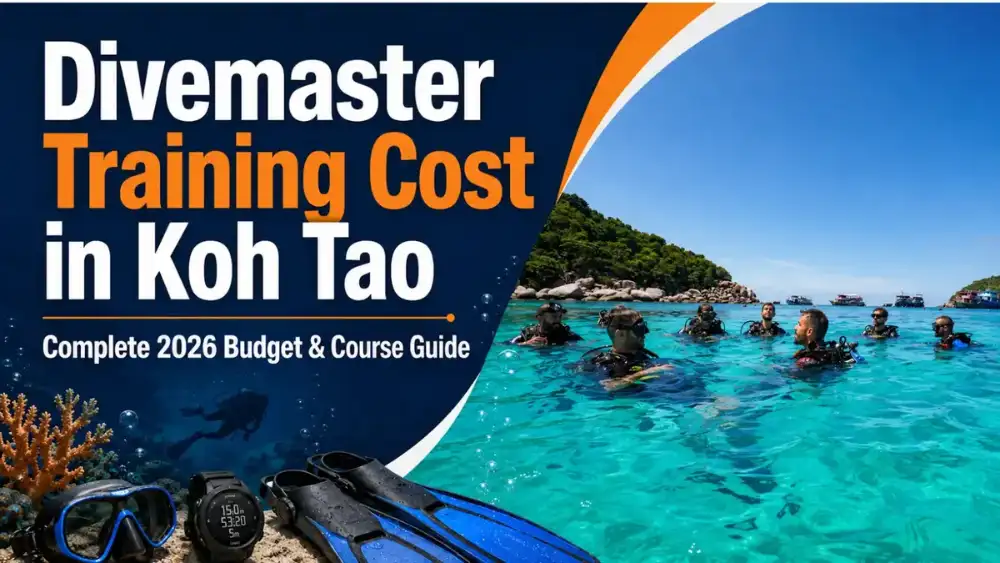
Course fees, accommodation, food, gear, visas and insurance: a realistic line-by-line budget for two months of Divemaster training in Koh Tao, plus what a good course fee should include.
 Features
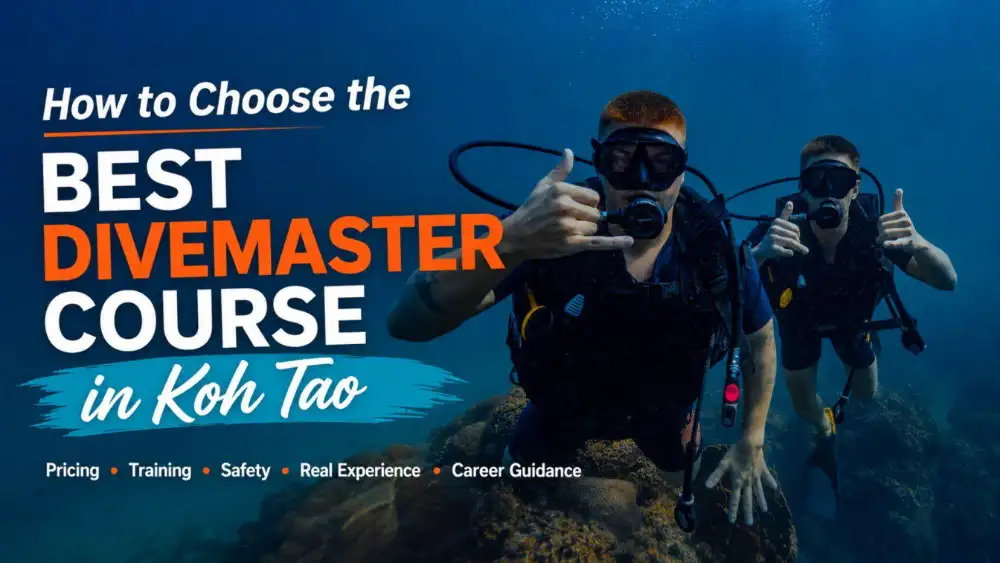
Fifteen practical checks — inclusions, hidden costs, course length, PADI vs SSI vs RAID pathways, mentorship and career support — to compare Divemaster courses in Koh Tao before you pay a deposit.
 Features
What fair instructor pay looks like on Koh Tao — La Bombona Diving's per-course rates, the benefits beyond base pay, the rising cost of living and the career paths that make diving a sustainable profession.
Message us on WhatsApp — courses, fun dives and honest advice about Koh Tao.
Chat on WhatsApp