Everything a solo traveller needs to know before Koh Tao — safety (including for solo women), where to stay, a realistic budget, how to get here, things to do alone and how scuba diving works when you arrive without a buddy.
21 August 2026 · by Bryan Roseman
Key takeaways
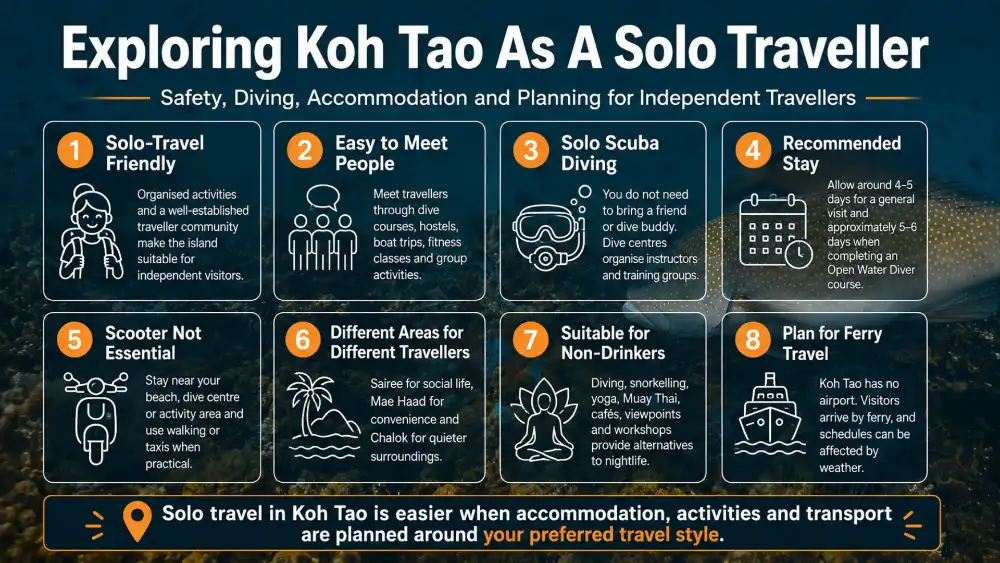
- Koh Tao is one of the best destinations in Thailand for solo travellers, offering scuba diving, snorkelling, beaches, hiking, fitness classes and organised activities that are easy to enjoy without a travel companion.
- You don’t need to bring a friend to learn scuba diving in Koh Tao. Most dive centres welcome solo travellers and organise instructors, training groups and dive buddies as part of the course.
- Four to five days is the ideal length of stay for most first-time solo travellers, while those planning an Open Water course should allow at least five to six days, including the recommended no-fly interval after diving.
- Koh Tao is an excellent destination for non-drinkers and solo travellers seeking quieter experiences, with snorkelling trips, yoga, Muay Thai, cafés, cooking classes, viewpoints and beach days providing plenty of ways to meet people without nightlife.
- Responsible travel helps protect Koh Tao’s coral reefs and marine life. Avoid touching coral or marine animals, follow your dive guide’s environmental briefing, respect local laws and customs, and support sustainable tourism practices to preserve the island for future visitors.
Yes, Koh Tao is one of Thailand’s best destinations for solo travellers, particularly for those interested in scuba diving, snorkelling, island adventures, beaches, and organised outdoor activities.
Every year, thousands of independent travellers visit the island alone, and many find it easy to meet people through dive courses, hostels, boat trips, fitness classes, cafés and other shared experiences. Its compact size, relaxed atmosphere and well-established backpacker community make it an appealing destination for both first-time and experienced solo travellers.
Like any destination, however, Koh Tao solo travel is most enjoyable when you know what to expect before you arrive. The island has no airport, public transport is limited, ferry schedules can occasionally be affected by weather conditions, and choosing the right area to stay can influence your budget, convenience and overall experience. Understanding these practical considerations can help you plan a smoother and more enjoyable trip.
This Koh Tao solo travel guide explains what to expect, where to stay, how much to budget, how to meet people, whether Koh Tao is suitable for solo female travellers, how scuba diving works when you arrive without a companion, and more.
| Question | Quick answer |
|---|---|
| Is Koh Tao worth visiting for solo travellers? | Yes. Koh Tao is one of Thailand’s most popular destinations for solo travellers, particularly those interested in scuba diving, snorkelling, beaches, hiking and organised group activities. |
| Is it easy to meet people in Koh Tao? | Yes. Many solo travellers meet others through dive courses, guided fun dives, hostels, boat trips, fitness classes and social events organised by local businesses. |
| Is Koh Tao safe for solo travellers? | Koh Tao is generally considered safe for most solo travellers, but no destination is completely risk-free. Follow normal travel precautions, avoid drink spiking risks, ride carefully, protect valuables and follow local safety advice during water activities. |
| Is Koh Tao safe for solo female travellers? | Many women travel to Koh Tao independently. Choosing reputable accommodation, using trusted transport, avoiding isolated areas late at night and following general travel safety practices can help make the trip more comfortable. |
| Do I need to stay in a hostel to meet people? | No. You can stay in a hotel, guesthouse or private bungalow and still meet other travellers through scuba diving, snorkelling tours, yoga classes, boat trips and organised activities. |
| Do I need to rent a scooter in Koh Tao? | No. Many visitors choose accommodation close to the beach or dive centre and use taxis or walk instead. Renting a scooter is optional and should only be considered if you are confident riding on steep island roads. |
| Can I learn scuba diving if I’m travelling alone? | Yes. You do not need to bring a dive buddy. Dive centres organise instructors, student groups and certified dive buddies where required, making Koh Tao an excellent place to learn scuba diving as a solo traveller. |
| Is Koh Tao expensive for solo travellers? | Koh Tao can suit both budget and mid-range travellers. Accommodation is available at different price points, while diving courses, ferry tickets, taxis and imported food may increase the overall travel budget. |
| How many days should I spend in Koh Tao? | Four to five days is enough to experience the island’s main attractions. If you plan to complete an Open Water course, staying five to six days provides extra flexibility and allows sufficient time before flying after diving. |
| Is Koh Tao only for backpackers? | No. While backpackers are common, Koh Tao also attracts couples, solo professionals, digital nomads, certified divers, families and travellers looking for private accommodation and a relaxed island atmosphere. |
Many people choose Koh Tao for solo travel because the island makes it easy to explore independently while still meeting other travellers. Its combination of world-class scuba diving, organised activities, walkable beach areas and social atmosphere means you do not need to arrive with friends to enjoy the experience.
Koh Tao has a long-established backpacking and diving community. According to the Koh Tao Tourism Association, solo visitors commonly meet people through scuba diving courses, guided dives, snorkelling trips, climbing sessions, cooking classes, yoga and other organised activities.
Unlike larger destinations where attractions are spread across a wide area, most of Koh Tao’s accommodation, restaurants, beaches and activity centres are concentrated around a few main locations. Sairee Beach is known for its lively social scene and nightlife, Mae Haad serves as the island’s main ferry and commercial hub, while Chalok Baan Kao offers a quieter atmosphere with easy access to beaches and dive centres.
Many of the island’s most popular experiences are designed to be joined individually. Whether you enrol in an Open Water course, book a snorkelling boat trip, attend a yoga class or sign up for a guided hike, dive centres and activity providers typically organise the groups for you. This makes Koh Tao one of the easiest places in Thailand for solo travellers to take part in activities without needing their own travel companion.
If Koh Tao seems like a good match for your travel style, the next question is usually about safety. Understanding the island’s common risks and knowing how to minimise them can help you plan your trip with greater confidence.
Yes, Koh Tao is generally considered a safe destination for solo travellers, and thousands of people visit the island independently every year. Many come to learn scuba diving, explore the beaches or travel around Thailand on their own without experiencing any major problems.
However, no destination is completely risk-free. The most common concerns for visitors are scooter accidents, changing sea conditions, alcohol-related incidents and the usual risks of theft or scams that can occur in any popular tourist destination. Fortunately, these risks can often be reduced by planning ahead, making sensible decisions and following local safety advice.
Rather than asking “Is Koh Tao safe?”, you should ask, “What should solo travellers be aware of, and how can they minimise the risks?”
Koh Tao has a relaxed island atmosphere, but it is still important to look after your belongings. Carry only the cash you need for the day, keep passports and spare bank cards in secure accommodation storage, and avoid leaving phones, wallets or room keys unattended while swimming.
If you’re returning to your accommodation after dark, stick to well-lit roads and avoid isolated paths or beaches where possible. These are sensible precautions that apply to most travel destinations rather than concerns unique to Koh Tao.
Sairee Beach is Koh Tao’s main nightlife area, with beach bars, restaurants, live music and social hostels that make it easy to meet other travellers. Most nights pass without incident, but it is still worth taking the same precautions you would in any busy tourist destination.
Keep your drink with you, avoid accepting already-open drinks from strangers, know how you plan to get back to your accommodation and avoid riding a scooter or swimming after drinking alcohol. If you are travelling with people you’ve met recently, let someone know where you are going and return using trusted transport whenever possible.
For many visitors, the biggest practical safety risk in Koh Tao is riding a scooter rather than crime. The island has steep hills, sharp bends and uneven roads in some areas, making them challenging for inexperienced riders.
You do not need to rent a scooter to enjoy Koh Tao. Many solo travellers stay near their dive centre or preferred beach, walk within the main villages and use taxis when travelling further.
If you decide to rent a scooter, only do so if you:
Avoid leaving your passport as a rental deposit. Many travel authorities recommend using a cash deposit instead whenever possible.
Sea conditions around Koh Tao can change quickly depending on the weather, tides and wind. Before swimming or snorkelling, check local conditions and pay attention to warning flags or advice from your accommodation, boat operator or dive centre.
If you’re exploring independently, let someone know where you’re going, stay within your abilities, avoid swimming alone in rough conditions and keep clear of boat traffic. When snorkelling, never stand on coral or touch marine life, both for your own safety and to help protect the island’s reefs.
Yes. Koh Tao is a popular destination for solo female travellers, with many women visiting the island each year for scuba diving, snorkelling, backpacking and island holidays. The island’s organised dive courses, busy tourist areas and established tourism infrastructure make it comfortable for many women travelling independently.
If you’re planning to visit Koh Tao alone, these practical tips can help you prepare:
Many solo female travellers choose Koh Tao because it is easy to join group activities, meet other travellers through dive courses and boat trips, and explore the island without needing a travel companion.
Koh Tao appeals to a wide range of solo travellers, but the experience can vary depending on your travel style, budget and expectations. The table below explains which types of solo travellers are likely to enjoy the island most and what each should consider before booking.
| Type of solo traveller | Is Koh Tao a good fit? | What to consider |
|---|---|---|
| First-time solo traveller | Yes | Stay in Sairee or Mae Haad and book your first few nights before arriving. |
| Solo backpacker | Excellent | Hostels, dive courses and organised activities make it easy to meet other travellers. |
| Beginner scuba diver | Excellent | No previous diving experience or travel companion is required to join a course. |
| Certified diver | Yes | Ask the dive centre about guided dives, buddy arrangements and suitable dive sites. |
| Solo female traveller | Yes | Choose well-reviewed accommodation, use trusted transport after dark and follow normal travel precautions. |
| Introverted traveller | Yes | Dive courses, yoga and small-group activities provide natural opportunities to meet people. |
| Non-party traveller | Yes | Stay in quieter areas such as Chalok or the northern end of Sairee. |
| Digital nomad | Good | Check Wi-Fi speed, workspace, power backup and room noise before booking. |
| Traveller not renting a scooter | Yes | Stay close to your dive centre, restaurants and the beach to reduce transport needs. |
| Traveller looking for city life | Less suitable | Koh Tao is a small island with limited public transport, shopping and nightlife compared with larger destinations. |
Once you understand the main safety considerations, the next step is choosing the right area to stay. Your accommodation location can influence how easy it is to get around, meet other travellers and enjoy the island without relying on a scooter.
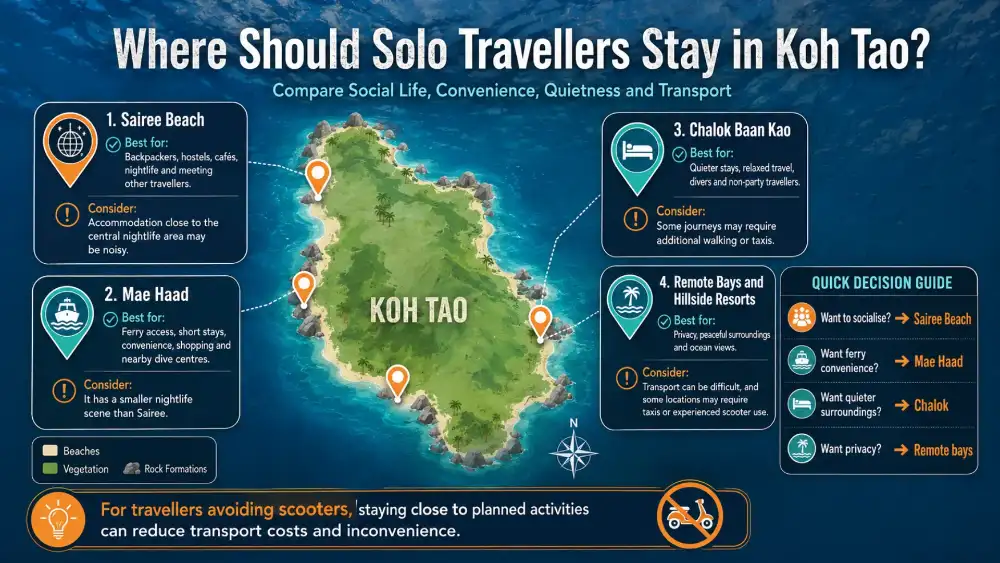
The best place to stay in Koh Tao depends on whether you want a social atmosphere, easy ferry access, quieter surroundings or convenient access to dive centres and beaches.
| Place | Best for | Things to consider |
|---|---|---|
| Sairee Beach | Backpackers, nightlife, hostels and meeting other travellers | Can be noisy near the main bar and nightlife area. |
| Mae Haad | Ferry arrivals, short stays, dive centres and convenience | Quieter than Sairee but has a smaller nightlife scene. |
| Chalok Baan Kao | Relaxed atmosphere, quieter accommodation and slower-paced travel | You’ll rely more on walking or taxis to reach other parts of the island. |
| Remote bays & hillside resorts | Privacy, ocean views and secluded stays | Transport can be more difficult, and some properties may require a scooter or taxi. |
Sairee Beach is Koh Tao’s busiest tourist area and the island’s main social hub. It has the largest concentration of hostels, dive centres, cafés, restaurants, beach bars and nightlife, making it one of the easiest places for solo travellers to meet other people.
Sairee Beach is ideal for:
It may be less suitable if you:
Tip. Before booking, check the property’s exact location. Accommodation near the centre of Sairee is generally livelier than hotels at the northern or southern ends of the beach.
Mae Haad is Koh Tao’s transport and commercial centre and is one of the most practical places to stay for solo travellers arriving or departing by ferry. It offers a good mix of hotels, guesthouses, dive centres, cafés, supermarkets and everyday services without the constant nightlife found in central Sairee.
Mae Haad is a good choice if you:
Because every visitor arrives in Koh Tao by ferry, staying in Mae Haad can make both arrival and departure days considerably easier while still providing easy access to Sairee by taxi or on foot from some properties.
Located on Koh Tao’s southern coast, Chalok Baan Kao offers a slower and more relaxed atmosphere than Sairee. The area has cafés, restaurants, accommodation and several dive centres, making it popular with travellers who want a quieter base without feeling completely isolated.
Chalok is particularly suitable for:
The main compromise is convenience. Some of Koh Tao’s busiest beaches, nightlife and activity providers are located further north, so you may need to budget for occasional taxi journeys.
If you’re looking for ocean views, peaceful surroundings and a slower pace of travel, Koh Tao’s hillside resorts and quieter bays can be an excellent choice. However, they are usually better suited to experienced travellers than first-time solo visitors.
Before booking a remote property, ask yourself:
Note. While these locations offer more privacy, they can make it harder to meet other travellers or explore the island without additional transport. If your priority is scuba diving, socialising or travelling without a scooter, staying in Sairee Beach or Mae Haad is usually the more practical choice.
Choosing the best hostel in Koh Tao depends on the type of trip you want. Some hostels are known for their social atmosphere and organised events, while others focus on quieter stays, private rooms or convenient access to dive centres and the ferry pier.
Rather than looking for a single “best” hostel, compare recent reviews, location, facilities and the overall atmosphere before booking. Management, events, prices and guest experiences can change over time, so always check the latest information.
| Hostel | Location | Best suited for |
|---|---|---|
| Nomads Koh Tao Hostel | Sairee Beach | Solo backpackers looking for a social atmosphere close to the beach and nearby restaurants, cafés and nightlife. |
| Savage Hostel Koh Tao | Sairee Beach | Travellers looking for modern dorms or private rooms in a central Sairee location. |
| Revolution Hostel Koh Tao | Sairee Beach | Backpackers who want accommodation close to Sairee’s nightlife and social areas. |
| Taco Shack Diving Hostel | Sairee Beach | Travellers interested in staying at a hostel associated with Koh Tao’s diving community. |
| Wonderland Jungle Hostel | Near Sairee Beach | Travellers looking for accommodation in a quieter setting away from the busiest nightlife areas. |
| Sunrise Koh Tao | Mae Haad | Visitors arriving or departing by ferry who want accommodation close to Mae Haad Pier. |
| Scubadoo House & Diving | Mae Haad | Divers and travellers looking for accommodation near the ferry terminal and local dive centres. |
| The Dearly Koh Tao Hostel | Chalok Baan Kao | Travellers looking for a quieter part of the island with convenient access to beaches and dive centres. |
| Chalok Hostel | Chalok Baan Kao | Budget-conscious travellers who prefer a more relaxed area away from Sairee’s nightlife. |
Note. The above hostels are examples of well-known accommodation options for solo travellers in Koh Tao rather than a ranked list. Facilities, prices, management, guest experiences and availability can change over time, so always check recent reviews before making a reservation.
Koh Tao is often considered one of Thailand’s more affordable island destinations, although travelling on an island generally costs more than staying on the mainland. Accommodation, ferry transport, taxis, scuba diving, organised tours and imported food can have the biggest impact on your overall budget.
The good news is that Koh Tao caters to a wide range of travellers. Budget backpackers can keep costs low by staying in hostels, eating at local restaurants and walking between nearby attractions, while those looking for more comfort can choose private accommodation, cafés and guided activities without reaching luxury-island prices.
According to the Koh Tao Tourism Association, accommodation starts from budget-friendly dormitories and basic guesthouses, while local Thai meals remain relatively inexpensive compared with many international tourist destinations. However, prices can increase during peak travel seasons and vary depending on the property’s location, facilities and demand.
| Expense | Typical price range | Notes |
|---|---|---|
| Hostel dorm | ฿250–฿700 per night | Social hostels and peak-season stays may cost more. |
| Basic private room | ฿700–฿1,400 per night | Beachfront locations and air-conditioned rooms generally cost more. |
| Thai meal | ฿80–฿180 | Local restaurants and food courts are usually the most affordable. |
| Western or international meal | ฿180–฿350+ | Imported ingredients and beachfront restaurants typically cost more. |
| Coffee, bottled water or soft drink | ฿20–฿120 | Prices vary depending on the venue. |
| Scooter rental | ฿150–฿250 per day | Fuel, deposits and insurance are usually additional. |
| Taxi between main areas | Approximately ฿200–฿500+ | Always agree on the fare before travelling. |
| Group snorkelling trip | From around ฿850 | Prices depend on the operator, itinerary and inclusions. |
| Yoga or fitness class | Around ฿250–฿500 | Drop-in and package prices vary between studios. |
| Beginner Try Dive | Approximately ฿2,500–฿3,500 | Price depends on the dive centre and what’s included. |
| Open Water course | Approximately ฿11,000–฿13,500 | Certification agency, class size and inclusions affect the price. |
Note. These are approximate planning costs rather than fixed prices. Actual rates vary by season, demand and individual businesses.
If you’re looking for one of the best scuba diving centres in Koh Tao that offers good value for money, La Bombona Diving is worth considering. The dive centre is known for its small training groups, experienced multilingual instructors and personalised approach to diver education, making it a popular choice for both beginners and certified divers.
Koh Tao does not have an airport, so every journey to the island includes a ferry. Most visitors travel via Koh Samui, Koh Phangan, Chumphon or Surat Thani before boarding a ferry that arrives at Mae Haad Pier, the island’s main gateway.
The most common routes include:
Flying to Koh Samui and taking a ferry is usually the quickest option, while travelling via Chumphon by train or bus is often the most economical.
Because ferry schedules can change due to weather and sea conditions, always confirm departure times with the ferry operator a day before travelling rather than relying on information from older travel guides.
Travelling alone makes ferry planning even more important. A few simple precautions can help your journey go more smoothly.
While the island is internationally known for its dive schools, it also offers beaches, snorkelling trips, fitness classes, viewpoints, cafés and day excursions that are easy to enjoy independently.
Whether you prefer organised activities where you can meet other travellers or a slower pace exploring the island on your own, Koh Tao has options to suit different travel styles and budgets.
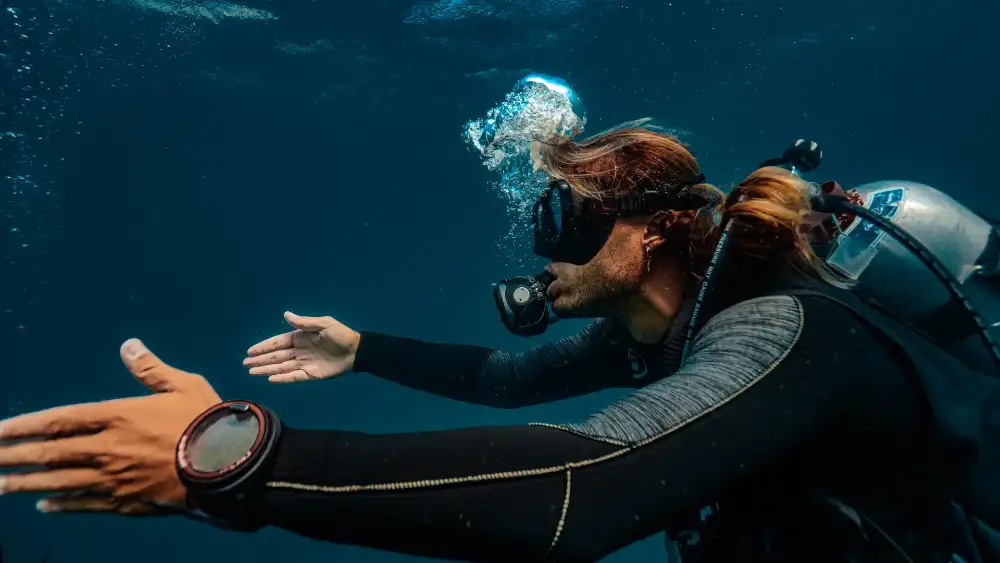
Learning to scuba dive is one of the most popular things to do in Koh Tao, especially for first-time divers travelling alone. You don’t need to arrive with a travel companion, as dive centres regularly welcome solo travellers and organise courses in small groups.
Whether you choose a Discover Scuba Diving (Try Dive) experience or complete an Open Water course, you’ll follow a structured programme led by a qualified instructor while learning alongside other students. It’s one of the easiest ways to meet people while gaining a lifelong skill.
Yes. Most dive centres in Koh Tao welcome solo travellers, so you can enrol in a Try Dive or Open Water course without arriving with a friend. The dive centre will organise your instructor, training schedule and group based on course availability and the number of students.
Learning alongside other participants also makes it easy to meet fellow travellers, so you don’t need to find your own dive buddy before booking.
Important. If you’re planning to fly after scuba diving, don’t schedule your flight immediately after your final dive. The Divers Alert Network (DAN) recommends waiting at least 12 hours after a single no-decompression dive, 18 hours after multiple dives or multiple days of diving, and longer after dives requiring decompression stops. Your dive computer, instructor and training agency’s guidance should always take priority. If you’re completing a multi-day Open Water course, plan your departure based on your final surfacing time, not the course’s advertised finish time.
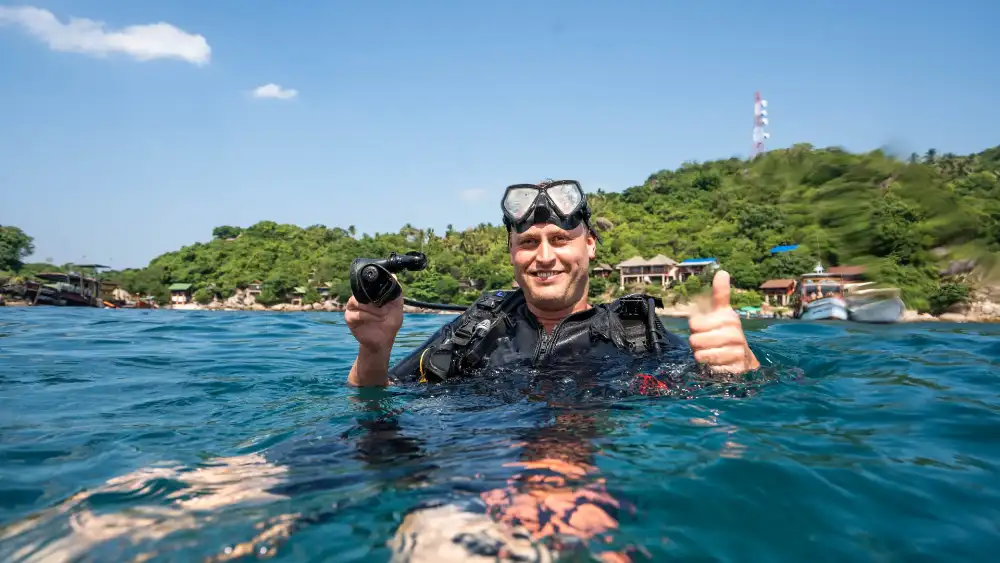
If you’re already a certified diver, joining a guided fun dive is one of the easiest ways to continue diving in Koh Tao without needing your own buddy.
Most dive centres schedule daily boat dives for certified divers and organise buddy teams based on experience and certification level. Before booking, ask about group size, planned dive sites, guide-to-diver ratios and how dive buddies are assigned.
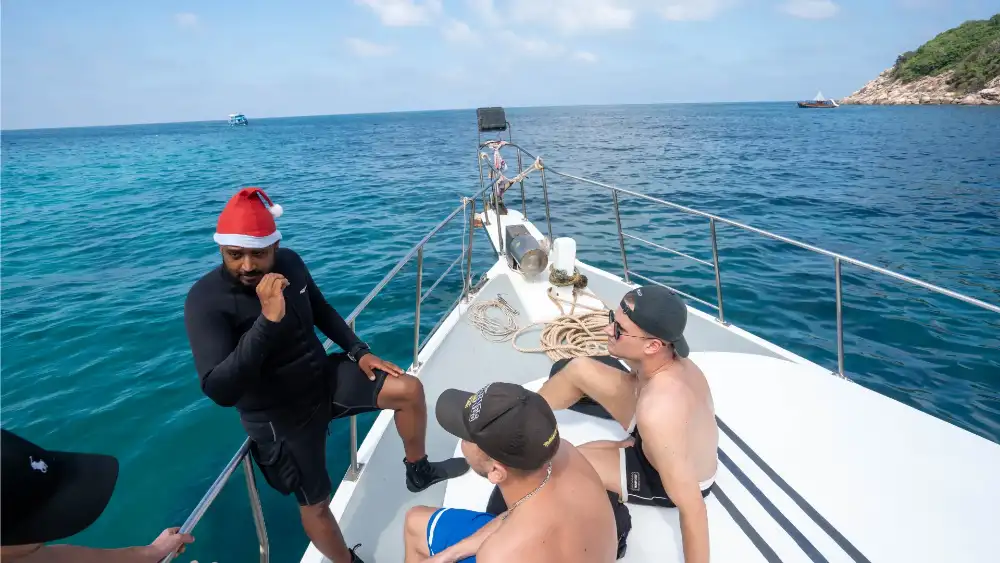
Not everyone visits Koh Tao to scuba dive, and snorkelling is an excellent alternative.
Joining a snorkelling boat trip allows you to visit several bays in one day without arranging separate transport. Most tours include snorkelling equipment, drinking water and lunch, although inclusions vary between operators. Always check whether island entry fees, insurance and other charges are included before booking.
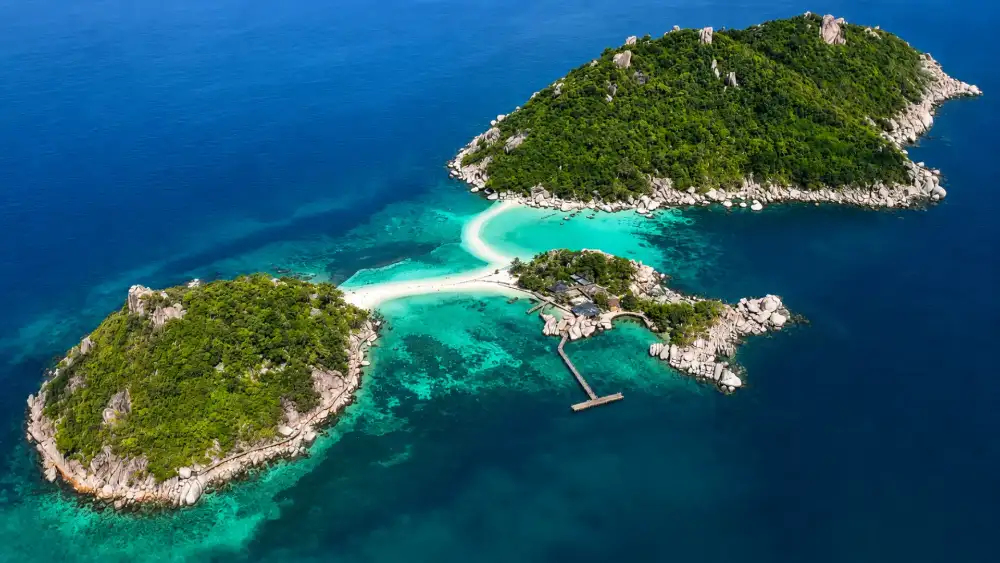
One of the best ways to experience Koh Tao is simply by exploring its beaches, hidden bays and scenic viewpoints.
Some locations are easy to reach on foot, while others require a boat, scooter or a short hike. A few viewpoints also charge a small entrance fee. If you’re visiting quieter areas alone, start early to avoid the midday heat, carry enough drinking water and let someone know your plans if you’re heading to more remote parts of the island.
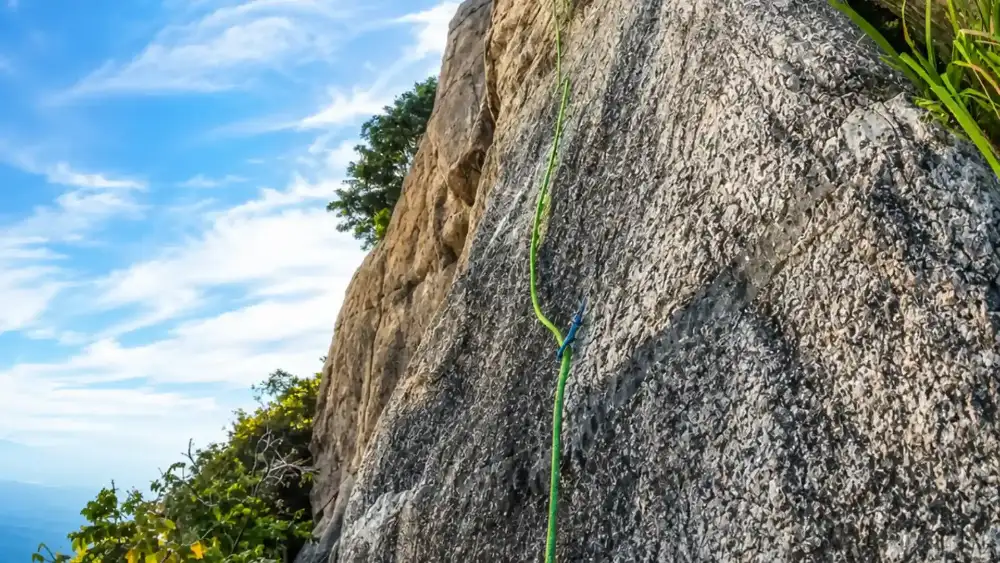
Koh Tao’s granite cliffs have made the island a popular destination for outdoor rock climbing.
Guided climbing sessions are available for beginners and experienced climbers, making them a good option if you’re looking for an active day away from the beach while meeting other travellers in a small group setting.
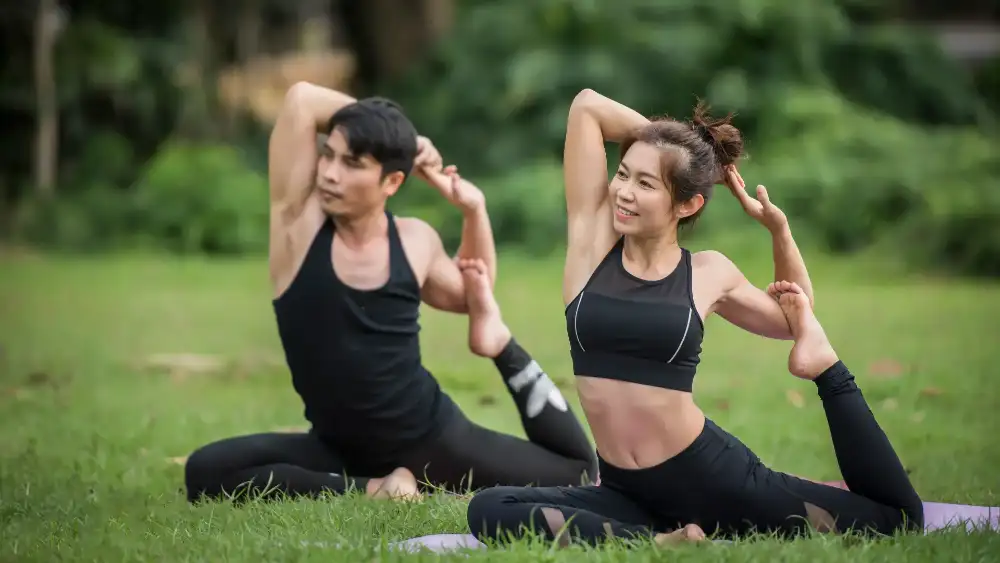
If you’d like to stay active during your trip, Koh Tao offers a variety of yoga classes, Muay Thai training sessions and fitness facilities.
Many studios and gyms welcome drop-in visitors, making them ideal for solo travellers who want to exercise, meet like-minded people and enjoy a social environment without focusing on nightlife.
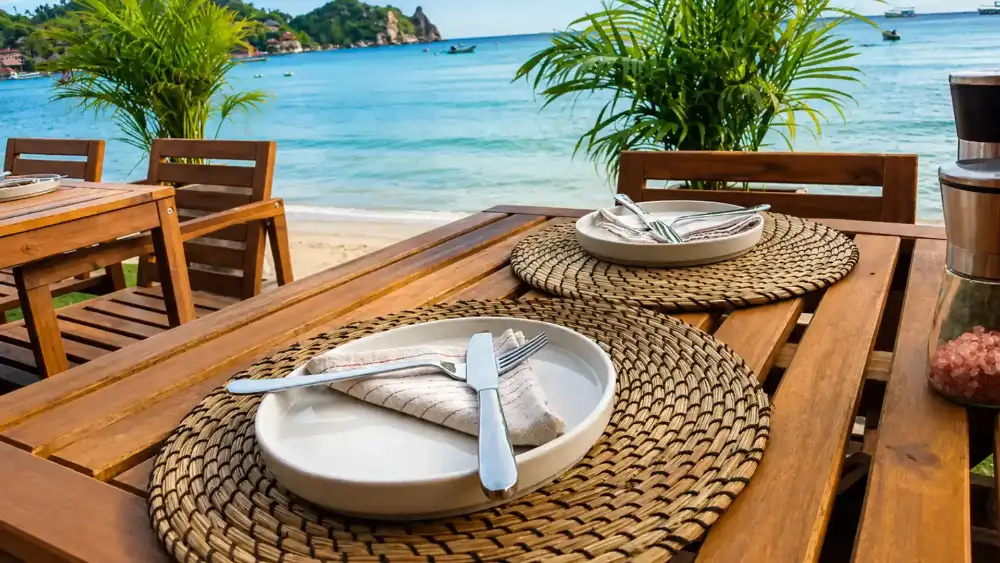
Eating alone is completely normal in Koh Tao, particularly around the island’s popular tourist areas.
Whether you’re trying authentic Thai food, enjoying fresh coffee, reading a book or catching up on remote work, cafés provide a comfortable space to relax between activities. Many also offer reliable Wi-Fi, making them popular with digital nomads and long-term travellers.
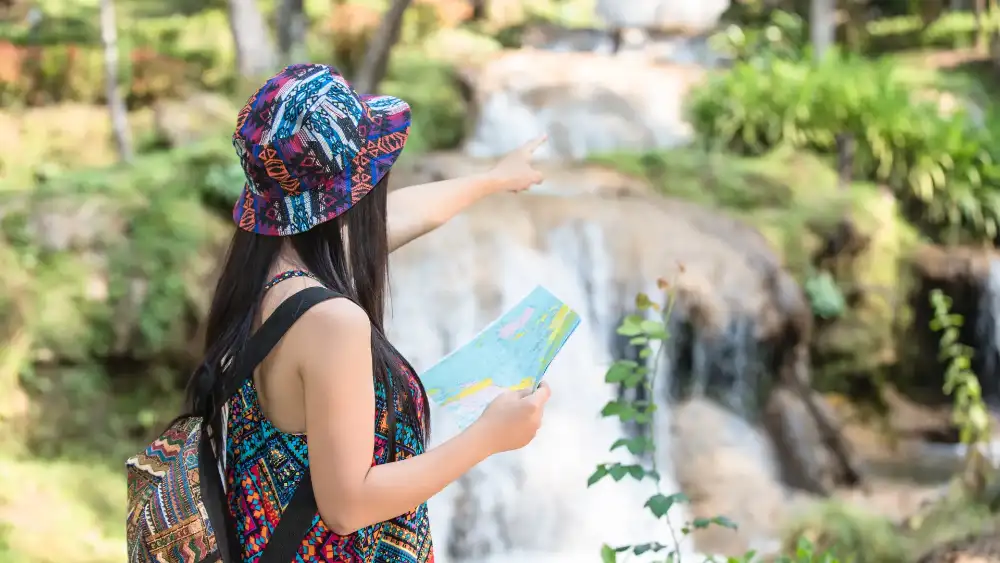
A visit to Koh Nang Yuan is one of the most popular day trips from Koh Tao.
Located just a short boat ride away, the island is known for its famous sandbar, clear water and snorkelling opportunities. Before visiting, check the latest opening hours, entry fees and environmental regulations, as these may change throughout the year.

If you’re looking for something different, consider joining a Thai cooking class or another local workshop.
These activities offer a relaxed way to learn a new skill while meeting other travellers through shared experiences, making them an excellent alternative to bars or nightlife.
Koh Tao has a lively nightlife, but it’s entirely optional. Whether you enjoy beach parties or prefer quiet evenings, you’ll find options to suit your travel style.
Sairee Beach is the island’s main nightlife hub, with beach bars, live music, hostel events and late-night entertainment. Mae Haad and Chalok generally offer a more relaxed atmosphere with quieter bars and restaurants.
If nightlife isn’t your priority, there are plenty of alternatives, including:
Important. If you’re planning to scuba dive, avoid drinking heavily the night before or between training days. Alcohol can contribute to dehydration, reduce concentration and impair judgement, all of which can affect your comfort and safety while diving. If you’re completing a dive course, it’s generally better to save late nights and celebrations until after your training is finished. This helps ensure you’re well rested, focused and ready to enjoy every dive safely.
One of the best things about solo travel in Koh Tao is how easy it can be to meet other travellers. While friendships don’t happen automatically, spending time in the right places and joining shared activities naturally creates opportunities to connect with people.
Your accommodation plays a big role in your social experience. Fortunately, you don’t have to stay in a party hostel to meet people.
Depending on the type of trip you want, you could choose:
Before booking, read recent guest reviews to understand the atmosphere. Some properties focus on relaxed communal dinners and organised activities, while others are known for late-night parties.
If your goal is to make genuine connections, multi-day activities are usually more effective than one-off tours.
Courses such as scuba diving, freediving, rock climbing or fitness programmes bring the same people together over several days, giving you plenty of opportunities to get to know fellow travellers naturally.
You don’t need to enjoy nightlife to meet people in Koh Tao.
Snorkelling tours, yoga classes, Muay Thai training, beach clean-ups, cafés, creative workshops and community events all attract solo travellers looking for shared experiences in a relaxed environment.
Meeting new people often begins with a simple conversation before an activity starts.
Easy conversation starters include:
These casual questions are often much easier than trying to join an already established group.
People arrive and leave Koh Tao every day, so travel groups naturally change.
Enjoy meeting new people, but avoid changing important travel plans, accommodation bookings or safety decisions simply to stay with people you’ve only just met. Keeping some independence gives you more flexibility throughout your trip.
Koh Tao is a year-round destination, so you can visit in any season. However, weather and sea conditions vary throughout the year, and no month can guarantee calm seas, clear visibility or specific marine life sightings.
The best time to visit depends on the type of trip you’re planning and the activities you want to enjoy.
| Period | Typical conditions | What solo travellers should know |
|---|---|---|
| February to May | Generally hotter with more sunshine and relatively dry weather | Ideal for beach days and outdoor activities, but strong sun and high temperatures make staying hydrated and avoiding prolonged midday exposure important. |
| June to October | Warmer weather with occasional showers and variable sea conditions | Diving and snorkelling are still available, but weather can change quickly. Check local forecasts and confirm ferry and boat schedules before travelling. |
| November to January | Typically the wettest period, with a higher chance of storms and rougher seas | Ferry delays or cancellations are more likely, so allow extra flexibility in your itinerary and monitor weather updates before travelling. |
It’s also worth remembering that weather patterns in the Gulf of Thailand have become less predictable in recent years. Diving is possible throughout the year, but underwater visibility, sea conditions and marine life sightings vary from day to day rather than following a fixed seasonal pattern.
Whether you’re visiting Koh Tao for a few days or planning a longer backpacking trip, a little preparation can make your solo adventure safer, more convenient and less stressful.
Arriving with a confirmed booking makes your first day much easier, especially if your ferry reaches Koh Tao in the evening. Once you’ve settled in and explored the island, you can decide whether to extend your stay or move to a different area.
Don’t book accommodation based only on ratings or price. Consider how close it is to your dive centre, the beaches you want to visit, restaurants, ferry pier and nightlife.
Paying slightly more for a convenient location can often save money on taxis or reduce the temptation to rent a scooter unnecessarily.
Many solo travellers explore Koh Tao without renting a scooter. Staying near your planned activities, using taxis or joining organised tours can be a safer option if you’re unfamiliar with the island’s steep roads or have limited riding experience.
Avoid booking tight connections between ferries, flights, buses or trains. Weather and sea conditions can occasionally delay ferry services, so allowing extra time helps reduce unnecessary stress.
Before travelling, check that your policy covers the activities you plan to do, including:
Keep digital copies of your passport, travel insurance, dive certification card and emergency contact details stored securely online or on your phone. Carry printed copies if required for your trip.
Thailand’s tropical climate, ferry journeys, scuba diving and alcohol can all contribute to dehydration. Carry a reusable water bottle whenever possible and drink water regularly throughout the day.
If you’re planning to scuba dive, answer all medical screening questions honestly. Certain medical conditions may require clearance from a qualified doctor before diving. Being truthful helps protect both your safety and that of your dive instructor.
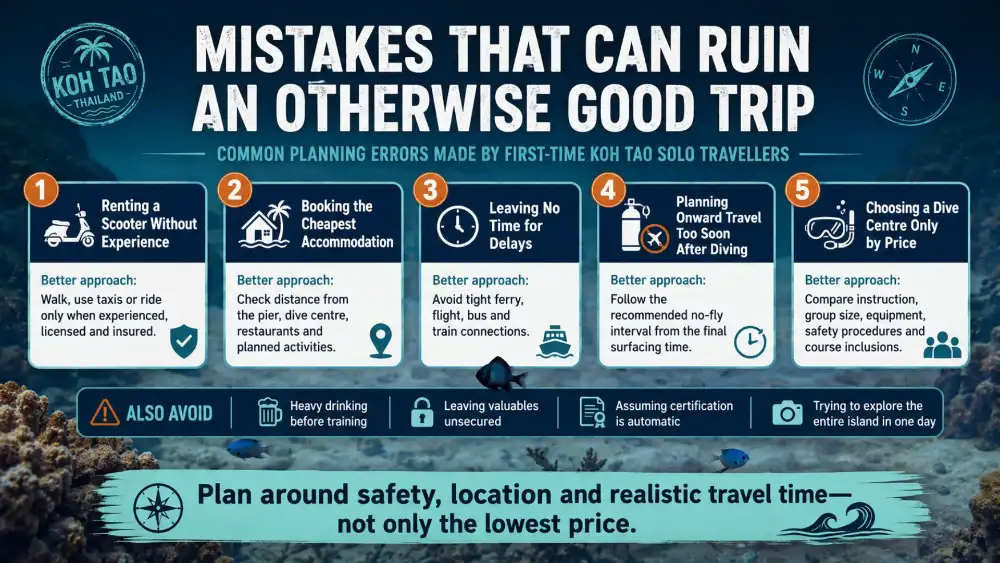
Most trips to Koh Tao are trouble-free, but avoiding a few common mistakes can make your experience safer and more enjoyable.
Travelling responsibly in Koh Tao means respecting both Thailand’s laws and the island’s unique natural environment. Following local regulations, cultural customs and sustainable travel practices helps protect marine life, supports local communities and ensures a safer, more enjoyable trip for everyone.
Thailand is a welcoming destination, but visitors are expected to follow local laws and cultural traditions.
Koh Tao is renowned for its coral reefs, tropical fish and diverse marine life. Whether you’re scuba diving or snorkelling, practising responsible behaviour helps preserve these ecosystems for future visitors.
For more information about local regulations, safety advice and what visitors should know before arriving, read our guide: Legal Guidelines for Tourists Travelling to Koh Tao.
Save important numbers before travelling:
| Service | Number |
|---|---|
| Royal Thai Police emergency | 191 |
| Tourist Police | 1155 |
| Medical emergency and ambulance | 1669 |
| Fire | 199 |
Important. Save these numbers before you travel. If you’re visiting Koh Tao for scuba diving, it’s also a good idea to save your dive centre’s emergency contact number, your accommodation’s reception number and your travel insurer’s 24-hour emergency assistance line.
Yes. Koh Tao is one of the best destinations in Thailand for solo travellers, particularly if you’re interested in scuba diving, snorkelling, beautiful beaches and outdoor activities. The island has a well-established tourism infrastructure, a welcoming backpacker community and plenty of organised experiences that make it easy to explore independently while meeting other travellers if you choose. The key to a successful solo trip is planning realistically.
Book accommodation in an area that suits your travel style, leave flexibility for ferry schedules and weather, choose reputable dive centres and activity providers, follow local laws and safety advice, and allow the recommended no-fly interval after scuba diving before your departure.
In short, with sensible planning and realistic expectations, Koh Tao offers an excellent balance of adventure, relaxation and social opportunities, making it a rewarding destination for first-time solo travellers as well as experienced backpackers returning to Thailand.
For most solo travellers, 4 to 5 days is the ideal amount of time to spend in Koh Tao. This gives you enough time to explore the island, enjoy its beaches, try scuba diving or snorkelling, and keep some flexibility for ferry schedules or weather changes.
The best length of stay depends on your itinerary rather than staying as long as possible. Plan enough time for the activities you genuinely want to do, allow for possible ferry or weather delays, and avoid scheduling a flight immediately after scuba diving.
Yes. Koh Tao is an excellent destination for solo travellers who don't drink or aren't interested in nightlife. While the island has a lively bar scene, it's equally well known for its outdoor activities, dive community and relaxed atmosphere.
You can easily fill your itinerary without visiting bars by:
Many of these activities are organised in small groups, making them a natural way to meet other travellers without relying on alcohol or late-night parties. If you prefer a quieter stay, consider booking accommodation in Mae Haad or Chalok Baan Kao, which generally offer a more relaxed atmosphere than the nightlife around Sairee Beach.
Yes, Koh Tao can be a good destination for digital nomads, particularly if you prefer a relaxed island lifestyle and flexible working hours. The island has a growing community of remote workers, along with cafés, coworking-friendly spaces and accommodation that caters to longer stays.
Before booking, keep these points in mind:
Koh Tao is best suited to digital nomads who value a slower pace, outdoor activities and work-life balance rather than a large city-style coworking scene. If your work depends on uninterrupted high-speed internet or frequent video meetings throughout the day, confirm your accommodation's connectivity before you arrive.
The biggest mistake many solo travellers make in Koh Tao is renting a scooter without sufficient riding experience. While scooters are a common way to get around the island, Koh Tao's steep hills, sharp bends and uneven roads can be challenging, especially for inexperienced riders.
Other common mistakes include:
The best way to avoid these mistakes is to plan your trip around safety, convenience and realistic expectations rather than trying to fit everything into the shortest or cheapest itinerary. This will help you enjoy a smoother, safer and more rewarding solo travel experience in Koh Tao.
Freedom Beach is widely considered one of the prettiest beaches in Koh Tao, thanks to its soft white sand, clear turquoise water and peaceful atmosphere. It's a popular choice for swimming, relaxing and snorkelling.
Other beautiful beaches worth visiting include:
The best beach ultimately depends on your travel style. Choose Freedom Beach for relaxation, Shark Bay for snorkelling and marine life, Sairee Beach for sunsets and nightlife, or Tanote Bay if you prefer a quieter setting away from the crowds.
More in Travel
 Travel
Documents, clothing, footwear, dive gear, health items, toiletries, tech and money — a table-by-table packing checklist for Koh Tao, plus what to leave at home.
 Travel
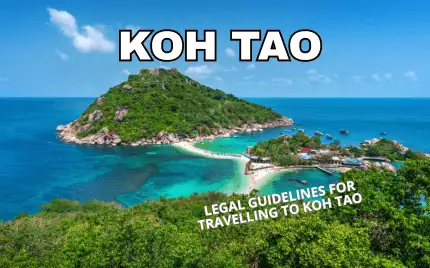
Visas, the TDAC, cannabis and vape bans, alcohol hours, scooter licences, coral-protection rules, dress codes and emergency numbers — the Thai laws every visitor to Koh Tao should know before arriving.
 Travel
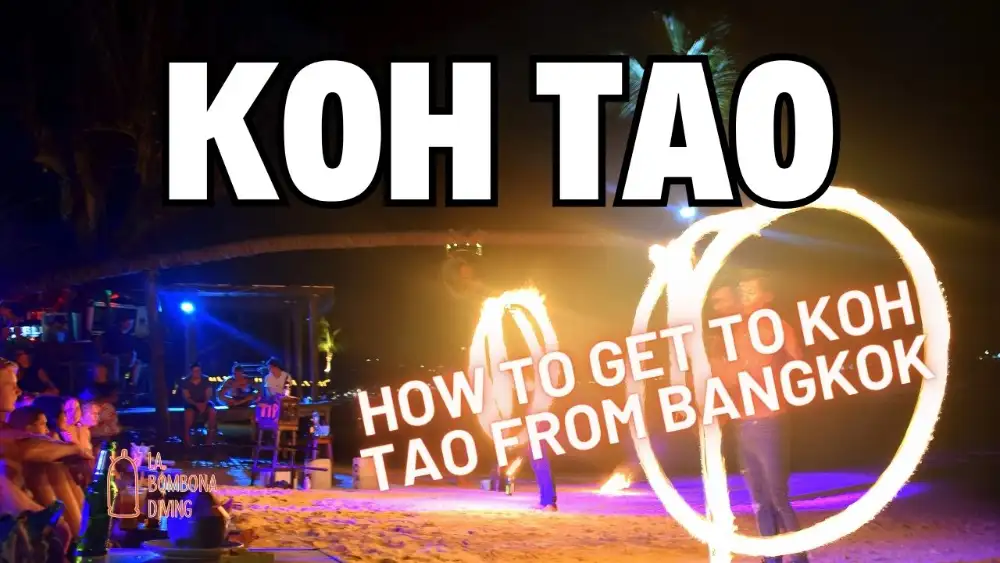
Every way to travel from Bangkok to Koh Tao — flight and ferry via Koh Samui, bus and ferry combos, the sleeper train to Chumphon and overnight boats — with times, costs and booking tips.
Message us on WhatsApp — courses, fun dives and honest advice about Koh Tao.
Chat on WhatsApp